What we like
- Radar presence sensing without a permanent USB cable
- Same listed price as the wired FP1E, with no Aqara hub required for Thread
- Temperature, humidity and light sensing in the same body
- Thread sensitivity and absence-delay settings available in Aqara Home and Home Assistant
What could be better
- Range and detection-mode adjustments still require Zigbee
- Best radar position may be a poor climate or light measurement spot
- Battery-life headline differs between Thread and Zigbee
- Mounting plate and screw kit depend on the version sold
The missing power cable is the main attraction
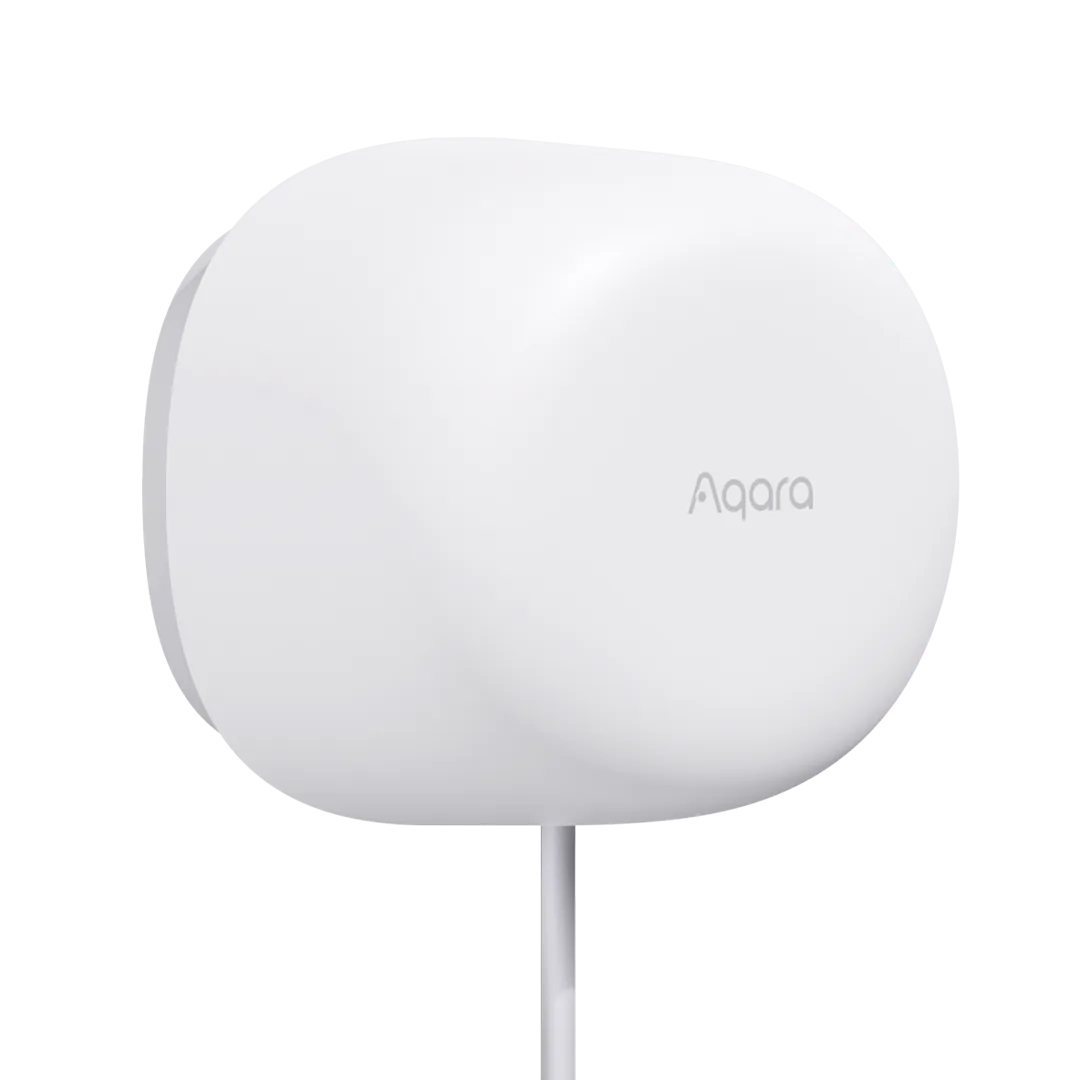
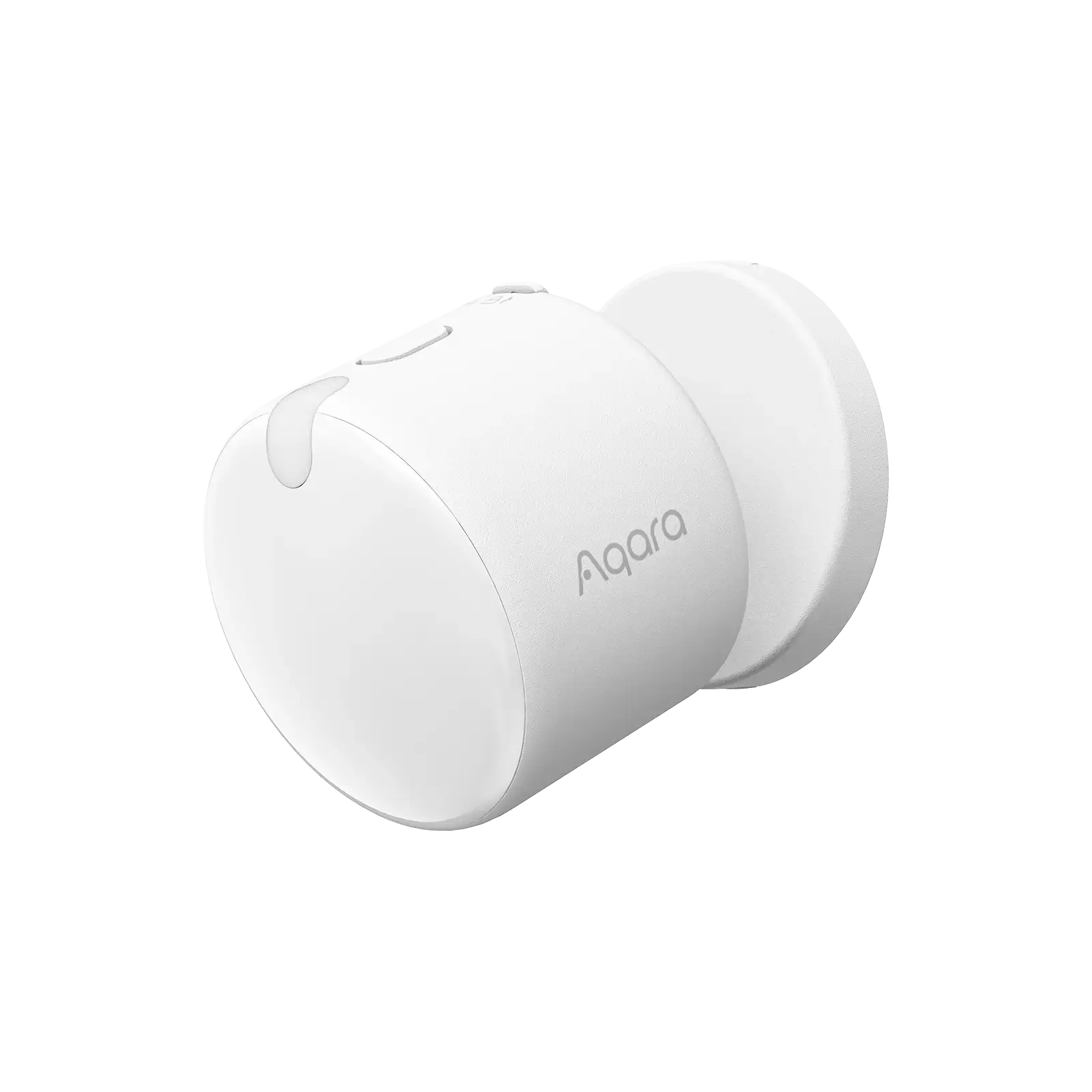
Presence Multi-Sensor FP300 is appealing for a reading chair, home office or living room where lights should stay on while someone sits quietly. It combines passive infrared sensing with 60 GHz radar, which is intended to notice the small movements that a simple motion sensor can miss.
The more unusual benefit is battery power. You can choose a useful sensing position without first finding a route from a USB outlet. That makes it a stronger candidate for a new room than Aqara FP1E when the cable would be conspicuous.
Both sensors were listed at $49.99 in Aqara's US store on September 10, 2026. FP300 alone comes to $59.98 with listed standard shipping in the contiguous US and DC, before tax. Native Matter over Thread requires a Matter controller and Thread border router, but does not add an Aqara hub to that purchase.
One sensor position has to serve several jobs
FP300 also measures light, temperature and humidity. Those readings can make a room automation more useful: a lamp that responds to occupancy only when the room is dark, for example. It is an attractive collection of functions for the same listed price as the presence-only FP1E.
Combining sensors also ties their placement together. A corner with a good view of the chair may catch direct sunlight or sit near a heat source. The resulting climate or light reading may not represent the part of the room you care about. Separate sensors remain useful when those positions cannot be reconciled.
Aqara specifies a maximum 6-meter range and 120-degree field of view under ideal conditions. The rotatable base helps aim the device, but these figures are not a room map or proof that furniture and moving fans will never cause trouble. We have not measured detection accuracy or false-absence rates.
Useful Thread controls, with limits
Aqara's current comparison table documents sensitivity and absence-confirmation settings over Thread in Aqara Home and Home Assistant. Automatic background learning also works in Thread mode. Those are useful capabilities for someone trying to prevent an overly eager lights-off routine.
Zigbee still provides more control through Aqara Home: detection range and mode selection, manual background learning, and environmental sensor/reporting adjustments. A room that needs specific unwanted distances excluded is therefore a more demanding purchase than basic occupancy. Switching protocols resets the device's configuration, and only one mode can be active.
Alexa does not receive the illumination function according to Aqara's current table. Choose based on the sensors and controls your platform will actually use; the five-in-one description is not five equally accessible features everywhere.
Battery freedom has an upkeep cost
FP300 uses two replaceable CR2450 cells. Aqara claims up to two years in Thread mode and three in Zigbee, based on its laboratory usage pattern. Those are different mode-specific claims, not three years guaranteed for a Matter installation.
Mounting accessories also vary. PS-S04E has the sensor and adhesive arrangement; PS-S04D adds the metal plate and screw kit. The manual calls for screw fixing above two meters, so the supplied kit matters if you want a high ceiling position. The checked US store listing does not establish that the fuller kit is included.
FP1E remains worth keeping when it already detects the room well, has an unobtrusive power cable and uses an existing Aqara bridge. For a new installation, FP300's cable-free placement and extra readings make the stronger case. For a hallway where a basic movement trigger already works, a cheaper PIR sensor may still be enough.
Content feedback
Spot a mistake or missing context?
Send a quick note so it can be checked against the source material.