Matter sensors are good at reporting state. A motion event, open door, temperature reading, or wet contact can start a useful routine. The same event is weak evidence for a safety or security decision unless the rest of the system adds supervision, backup communication, deliberate arming, and a tested response.
Use this boundary: if a missed event causes annoyance, a Matter automation may be enough. If a missed event could allow entry, delay emergency help, damage the home, or injure someone, the sensor should be one layer rather than the whole plan.
Motion and presence belong to different rooms
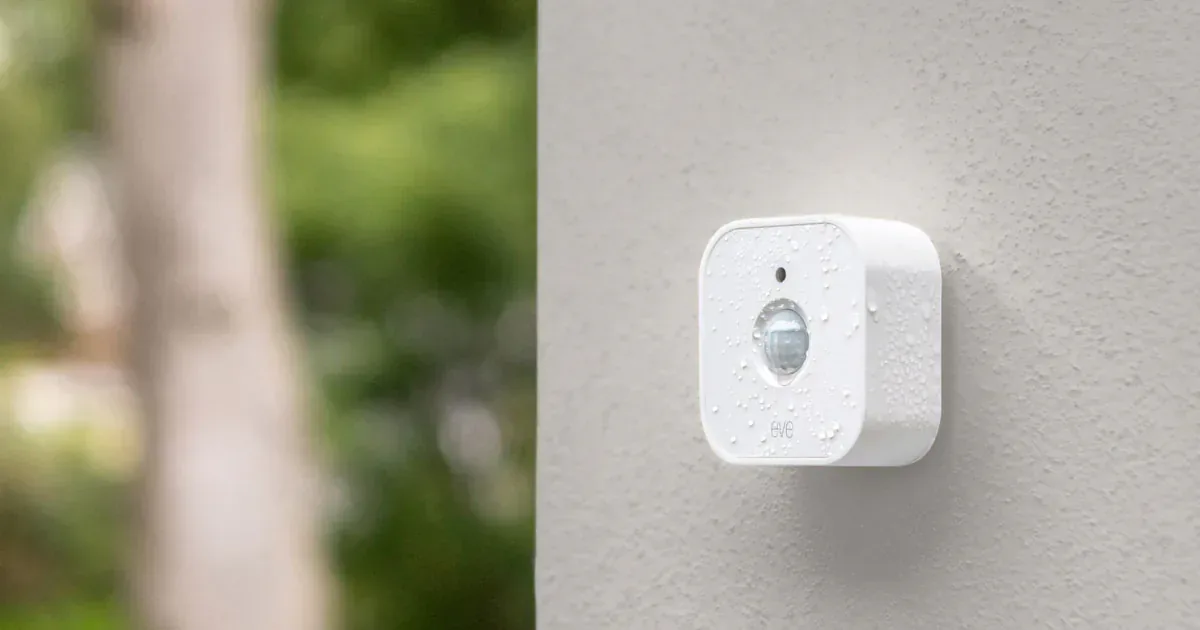
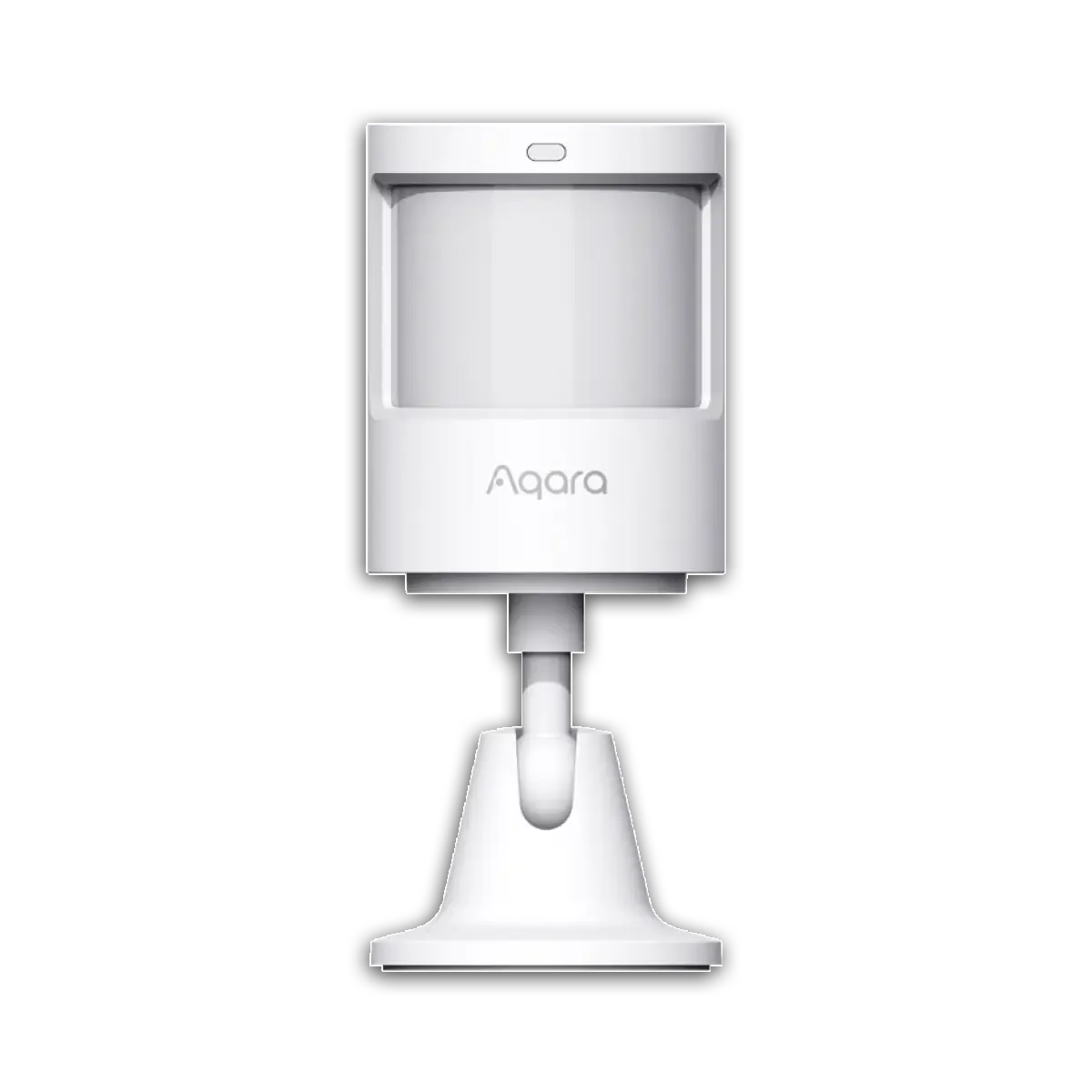
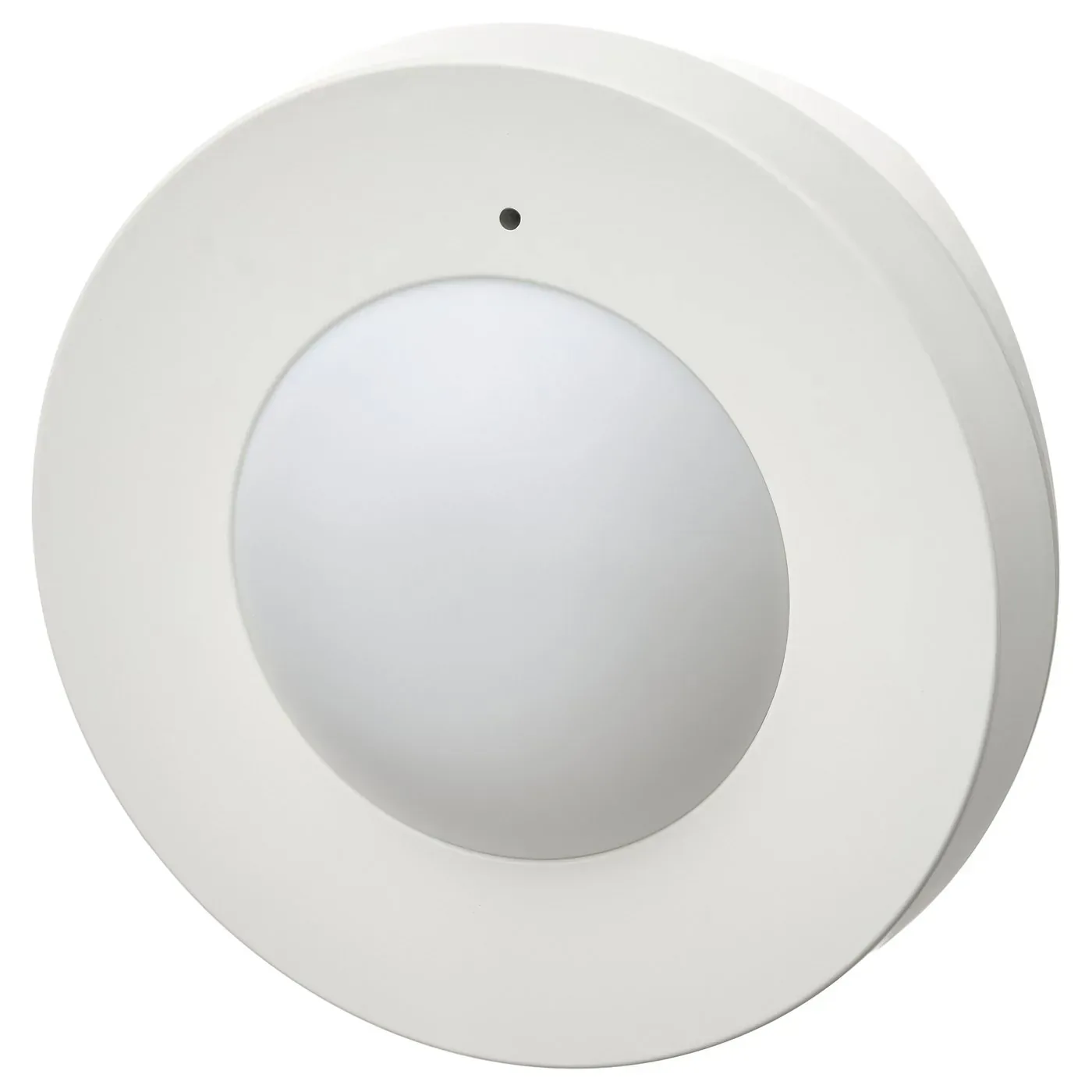
Motion is the cleaner trigger for a hallway, stair, pantry, garage, or utility room. Eve Motion, Aqara Motion and Light Sensor P2, and IKEA MYGGSPRAY are useful when movement should cause a reversible action such as turning on a light.
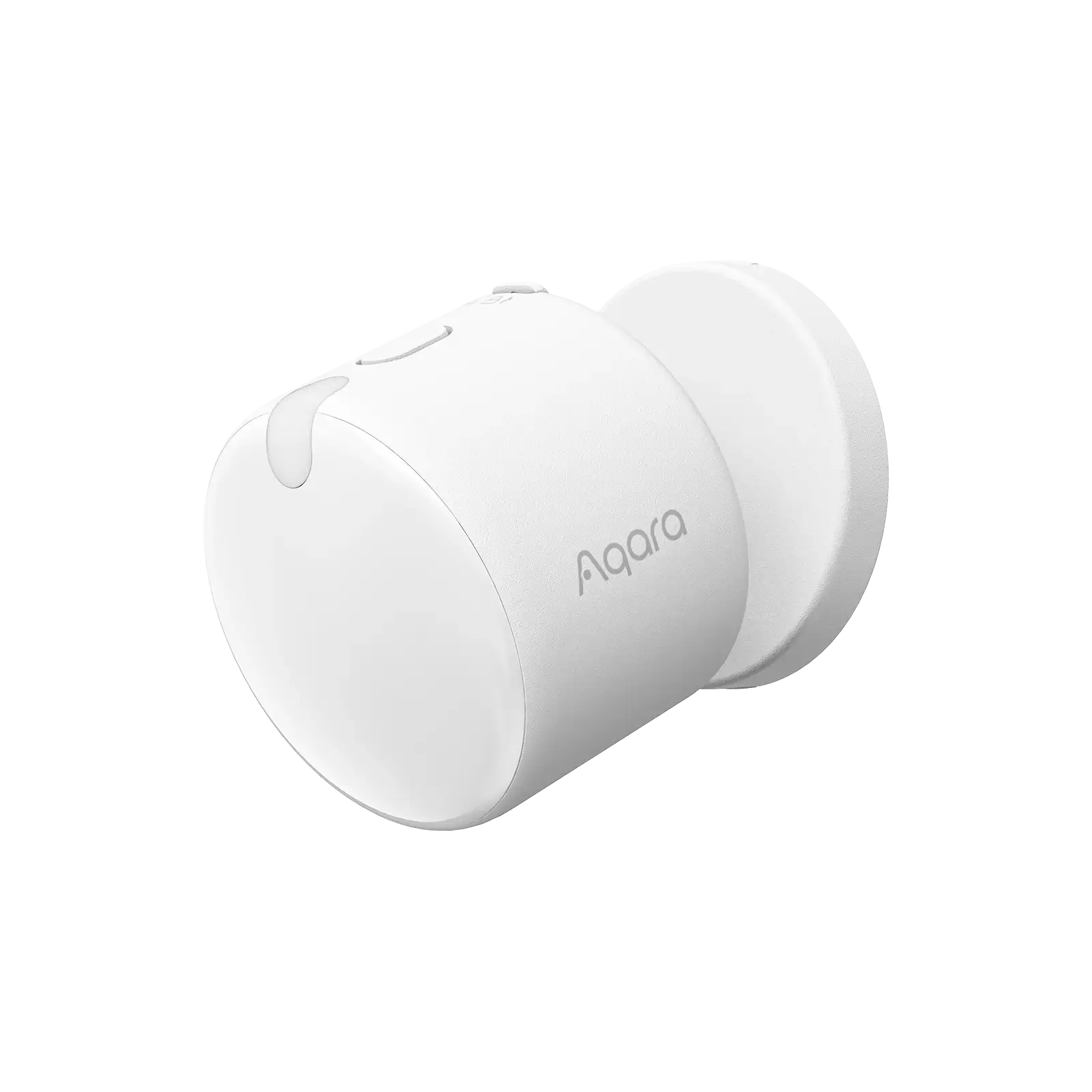
Presence sensing fits an office, living room, or reading chair where someone can remain still. Aqara FP300 combines PIR and millimeter-wave sensing, but its two radio modes expose different controls. Thread provides direct Matter and automatic AI learning. Manual learning and some sensor reporting controls require the Zigbee and Aqara Home path, while some Thread tuning depends on the receiving platform. Confirm the occupancy, light, temperature, and humidity data that your chosen platform actually exposes.
Build the plain routine first: detect movement or presence, perform one low-risk action, then clear it after a sensible delay. Add brightness, time, and household-presence conditions only after the basic behavior is dependable.
A contact sensor reports a door, not an intrusion
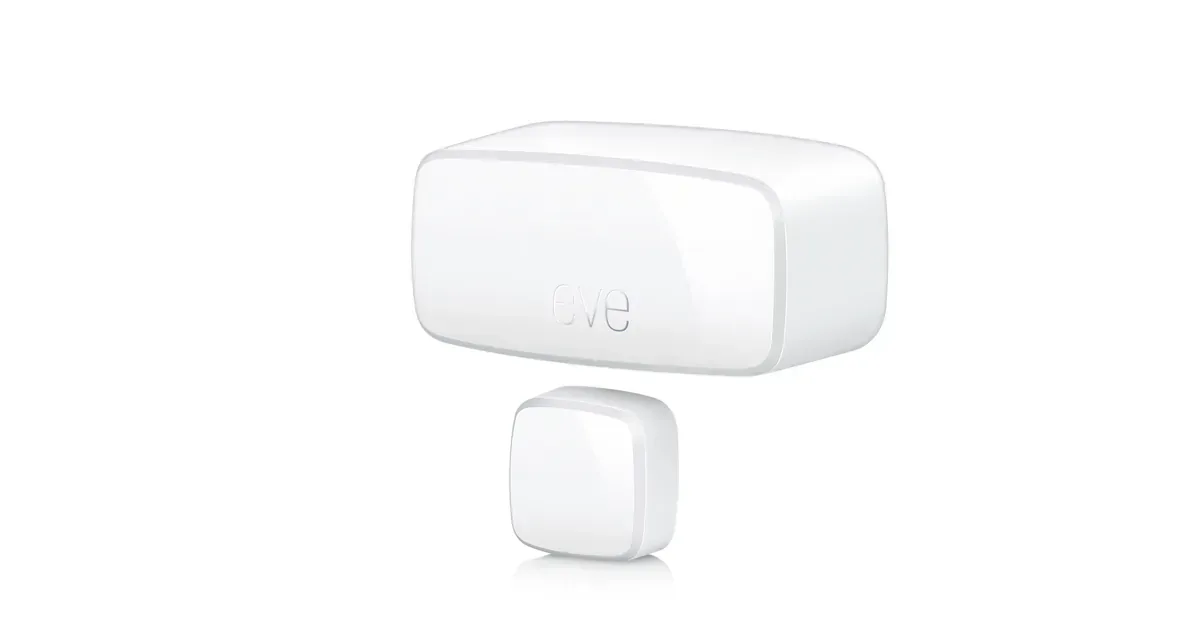
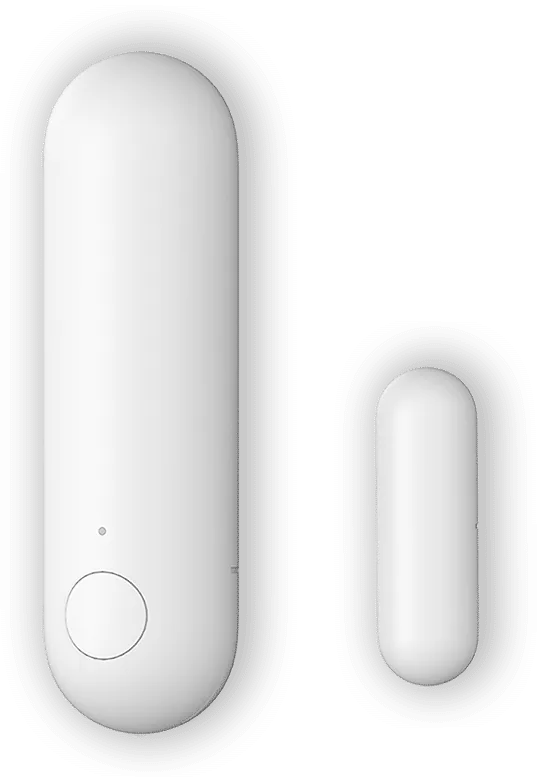
Contact sensors are suited to open and closed state on a door, window, cabinet, or storage area. They can pause heating, turn on a closet light, or remind someone that a side door is still open.
They do not identify who opened the door, resist tampering, guarantee delivery of a notification, or summon help. Test the final mounting point, locked-phone notifications, household permissions, and behavior during an internet or hub outage. A working push alert is still not an alarm panel.
Leak and climate readings are warnings, not automatic protection
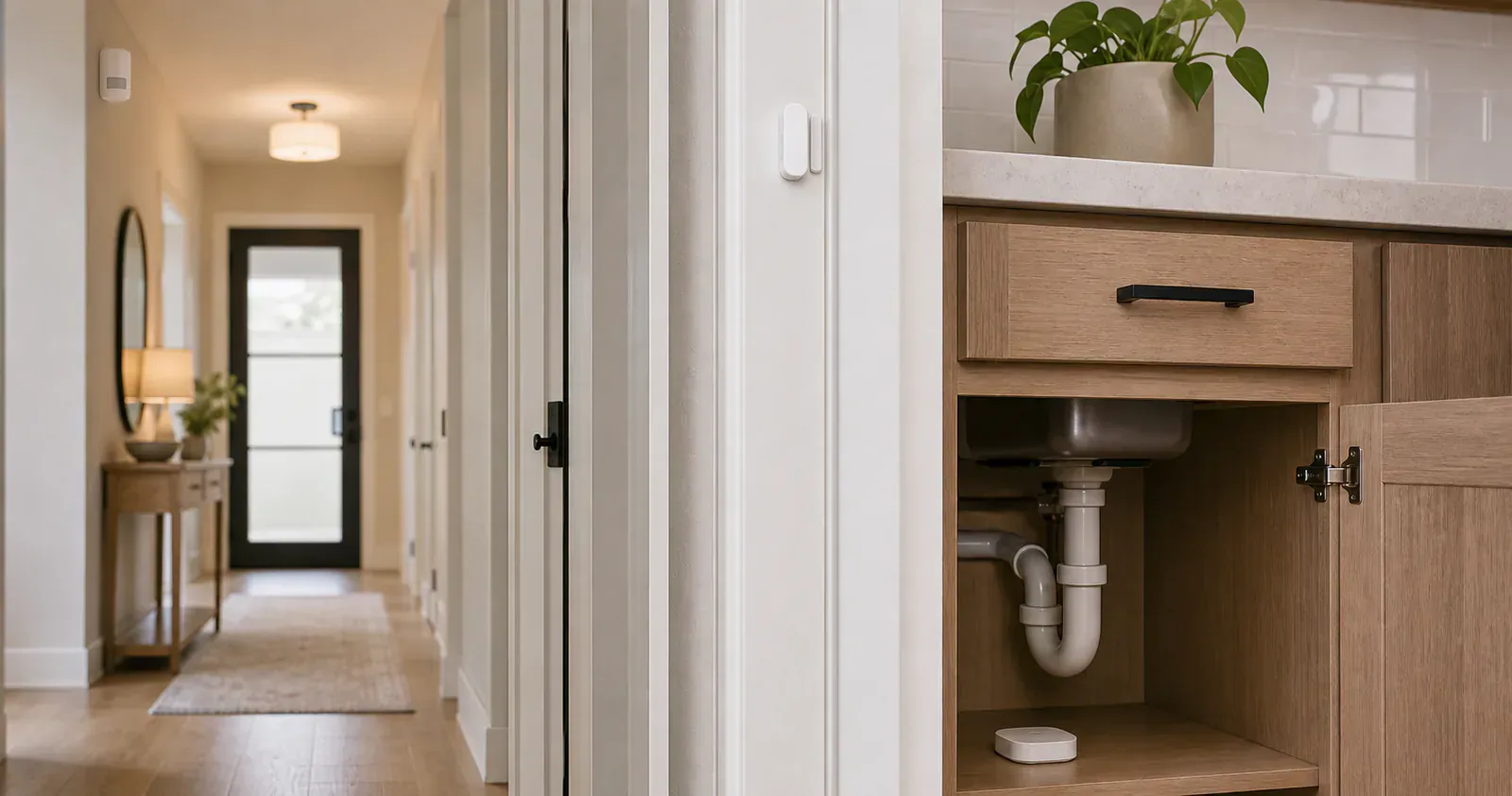
IKEA KLIPPBOK has a local audible alarm as well as a connected path, which is the right direction for a sensor that may sit out of sight. Trigger one safely before installing it, then verify the sound, app state, notification recipients, battery reporting, and Thread connection from the final location.
A leak alert does not shut off the water unless a separately supported valve and tested automation do that work. Temperature, humidity, air quality, and light readings are better used for comfort, ventilation prompts, and dashboards than for protecting people or expensive equipment without another independent control.
Platform automation tools carry their own warning
Google says Home automations are for convenience, not safety or security-critical jobs, and may depend on internet, Wi-Fi, and third-party services. The Google Home 4.20 suggested automations rollout can make routine building easier, but a suggested security or energy routine is still only a draft to inspect and test.
Apple Home, Google Home, Alexa, SmartThings, and Home Assistant do not expose every sensor value or automation condition in the same way. The Matter platform version gap is most visible with richer sensors: a device can be valid Matter hardware while the controller omits the one attribute needed for a routine. Check the platform's current device support page and buy one sensor before scaling.
Matter certification and product security answer different questions
The Matter logo establishes a standards path. It is not proof that an entire alarm, app, cloud service, or gateway has received a separate security assessment. CSA's Product Security 1.1 program now covers complete IoT systems. Level 1 uses a supplier self-assessment reviewed by an Authorized Test Laboratory. Level 2 requires an independent assessment and functional testing by an authorized lab.
That mark can be useful when comparing sensitive products, but neither certification replaces the installation check. For a security system, look for the exact alarm standard, monitoring path, backup power and communication, siren behavior, entry delay, tamper handling, and local requirements that apply where you live.
Keep convenience and protection on separate failure paths
The direct Matter path for every battery sensor in this guide is Thread, although some models also offer another brand-system mode. Battery sensors need reliable Thread coverage and do not extend the mesh. Test exterior doors, basements, metal frames, and appliance cavities before mounting, and use a documented powered Thread router device if the mesh needs help.
Use Matter sensors freely for lights, reminders, comfort, and additional awareness. For intrusion, fire, carbon monoxide, flooding, medical needs, or any automation whose failure can cause harm, keep a dedicated safety or security path that still works when the convenience platform does not.
Content feedback
Spot a mistake or missing context?
Send a quick note so it can be checked against the source material.