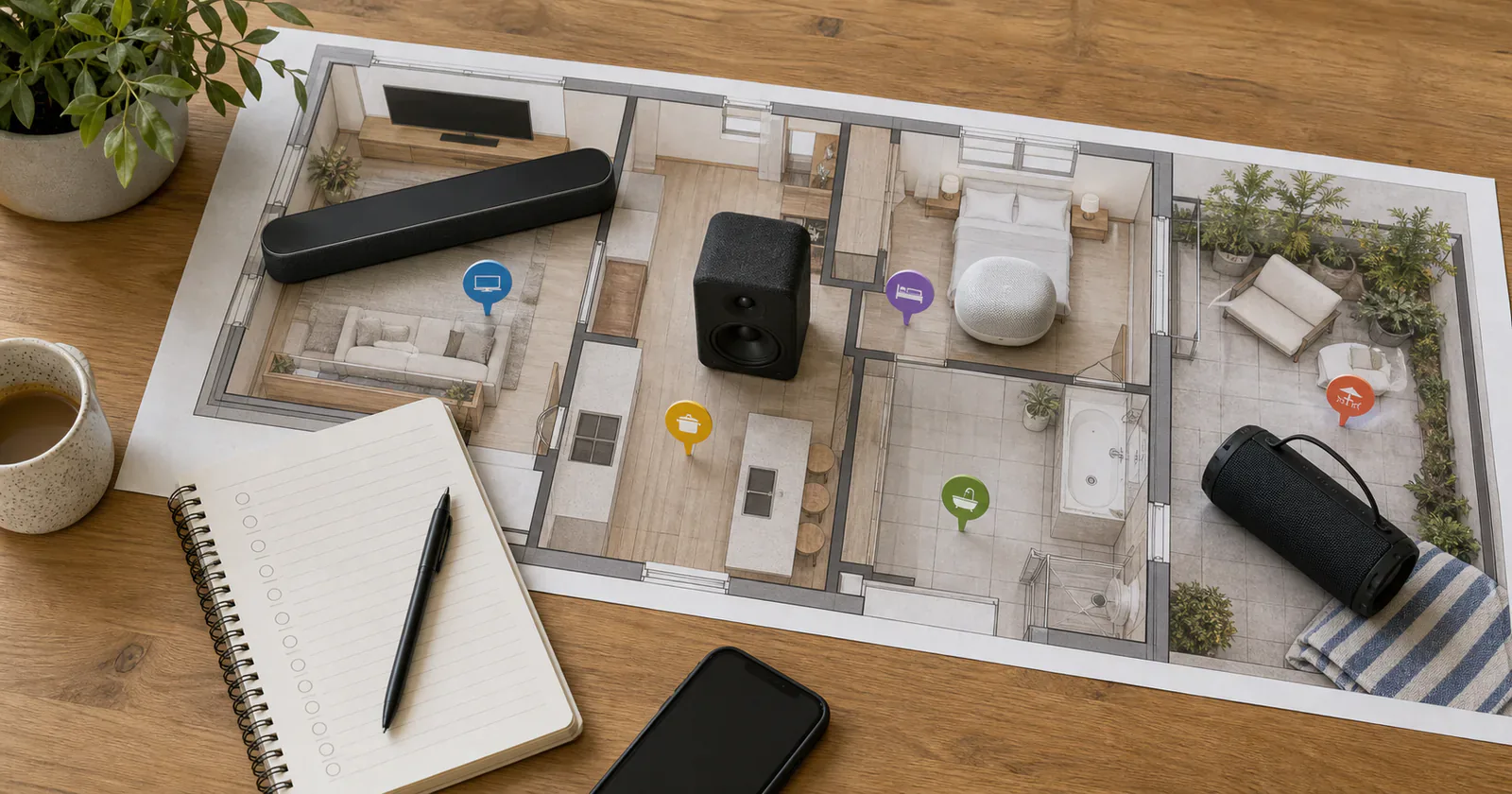
The best smart home speaker is rarely the same speaker in every room. A TV room needs dialogue, HDMI, and room to expand. A bedroom needs an always-on speaker that will not dominate the nightstand. A bathroom or patio needs water resistance before voice control. A kitchen needs timers, music, and a speaker everyone can use.
Start with the room, then choose the ecosystem. Keep audio and smart-home infrastructure as two separate columns. The useful buying question is not "Which speaker brand is best?" It is "What jobs does this room need the speaker to do, and does one product actually cover both?"
The Google Home Speaker, Echo Dot Max, and Echo Studio cards in this guide cover the North American models and availability recorded in Matterhome's device archive. Check the local product page before treating them as options in another market.
In this guide
- Decide the room job before the brand
- TV rooms need a soundbar first
- Bedrooms and offices reward smaller speakers
- Kitchens and shared rooms need shared control
- Bathrooms, patios, and temporary rooms play by different rules
- Ecosystem shortcuts and traps
- A room-by-room starting list
Decide the room job before the brand
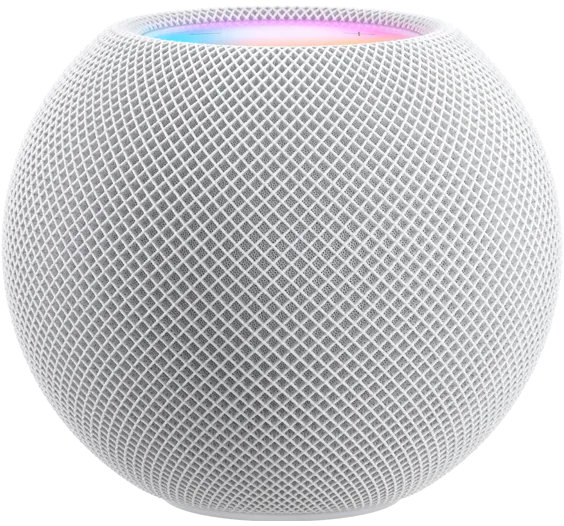
Do not treat every smart speaker like a Matter light or sensor. HomePod mini, HomePod (2nd generation), Google Home Speaker (2026), Echo Dot Max (2025 release), and Echo Studio (2025) can act as ecosystem-specific Matter controllers and Thread border routers. Sonos and JBL products in this guide are audio devices that use their own apps, voice services, AirPlay, Chromecast, Bluetooth, HDMI, or other audio paths. Matter does not make these speaker systems interoperable for music.
That distinction matters before you buy. A HomePod mini can be a useful Apple Home nightstand speaker and Thread-enabled hub, but it is not the sound system a living-room TV deserves. A Sonos soundbar can solve the TV-audio problem, but it will not solve a missing Thread border router. A rugged JBL Bluetooth speaker may be exactly right for a bathroom even though it does almost nothing for smart-home automation.
Start by naming the room job:
- TV dialogue, movies, and future surround expansion
- Music in one fixed room
- Voice commands and timers
- Apple Home, Google Home, or Alexa infrastructure
- Portable audio for bathrooms, patios, garages, or travel
- Mixed-assistant access for shared rooms
TV rooms need a soundbar first
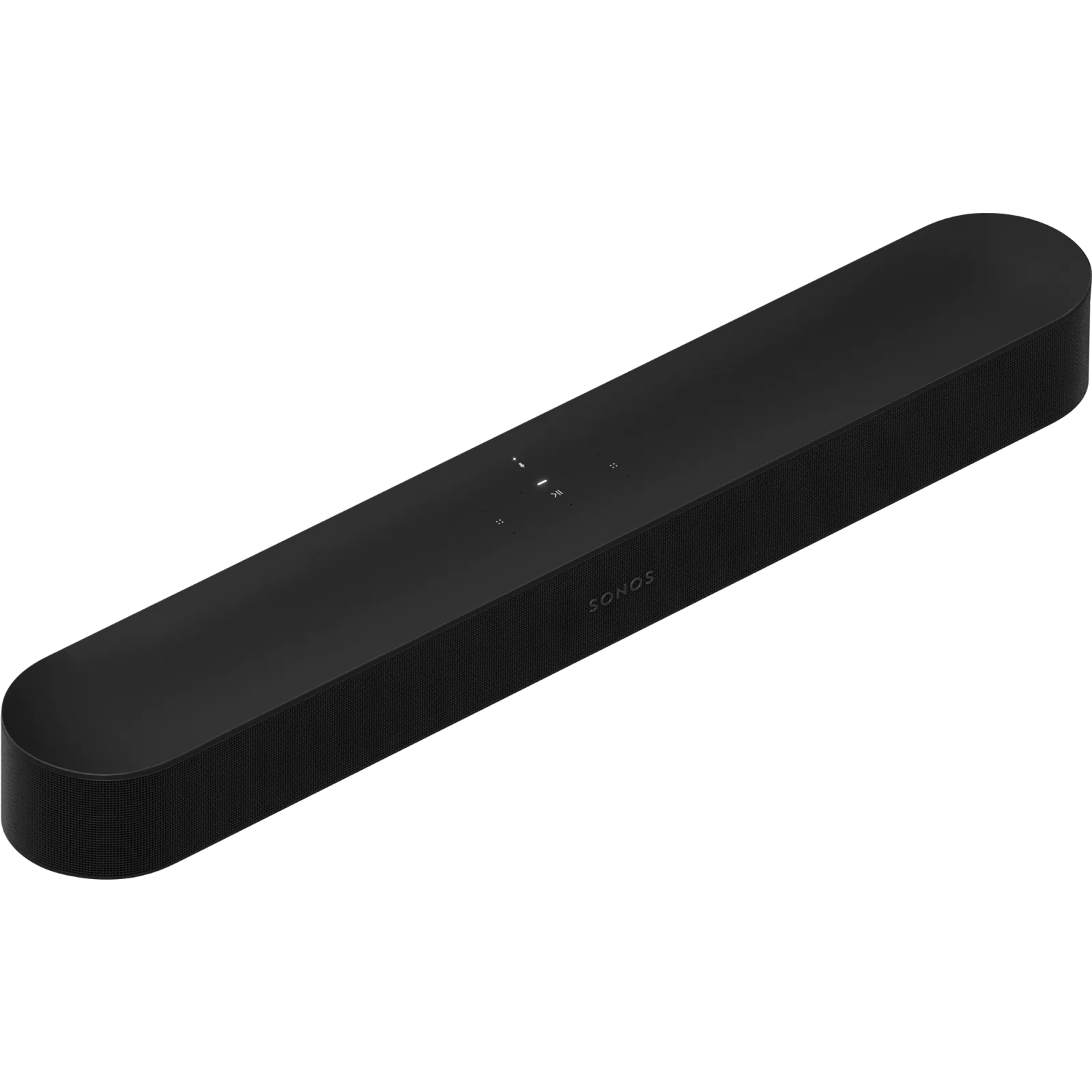
For the main TV room, start with the soundbar question. Sonos Arc Ultra is the strongest fit in this guide because it is built around HDMI eARC or ARC, TV remote use, Dolby Atmos, dialogue tools, and Sonos expansion. Those are the problems a tiny assistant speaker cannot solve.
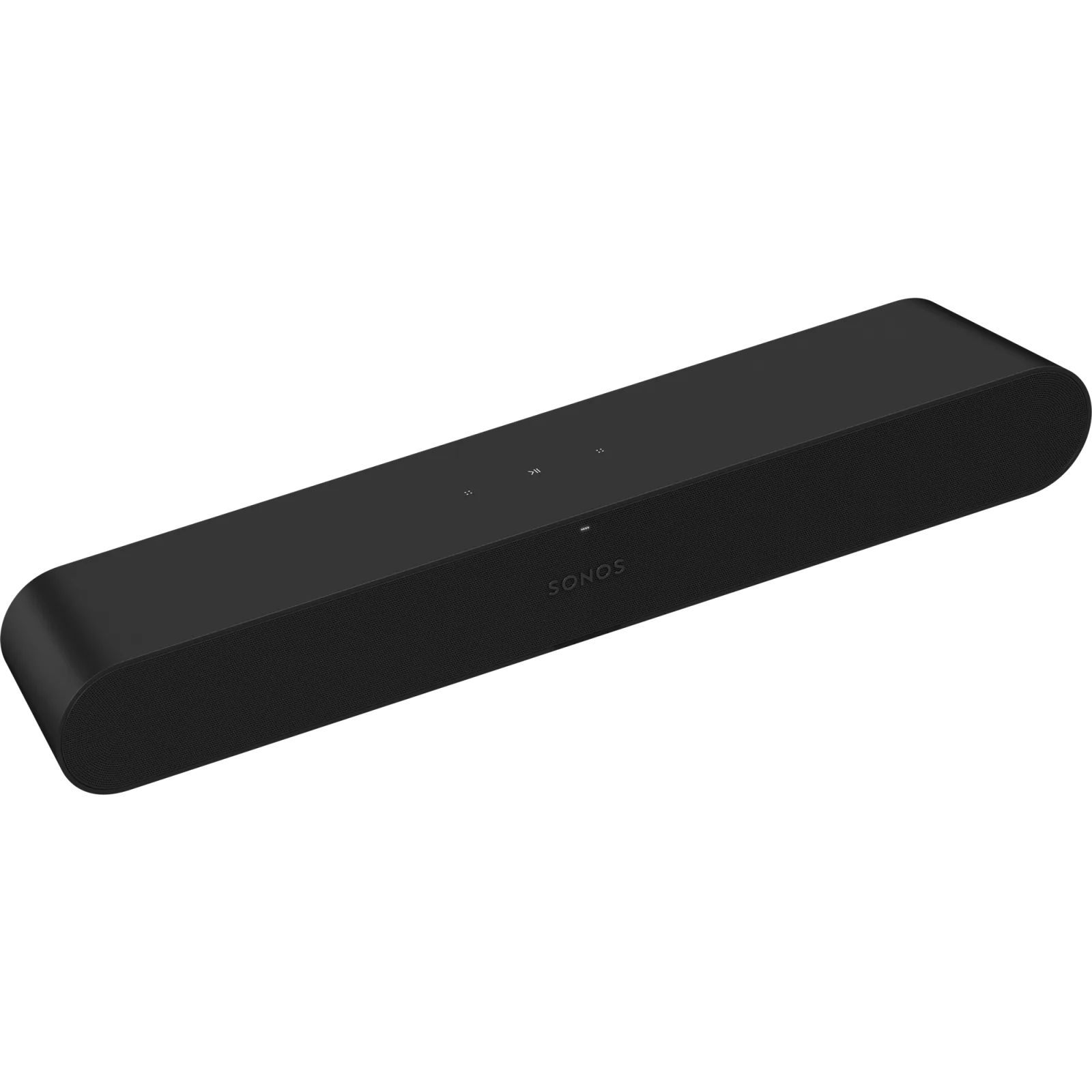
Sonos Beam Gen 2 is the midrange Sonos answer. It is the better fit when the TV room needs HDMI eARC, Dolby Atmos, dialogue tools, and Sonos expansion, but Arc Ultra is too much speaker or too much money. Sonos Ray is the lower-cost Sonos soundbar, but its optical-only path makes it a smaller-room or secondary-TV recommendation rather than the default modern TV-room pick.
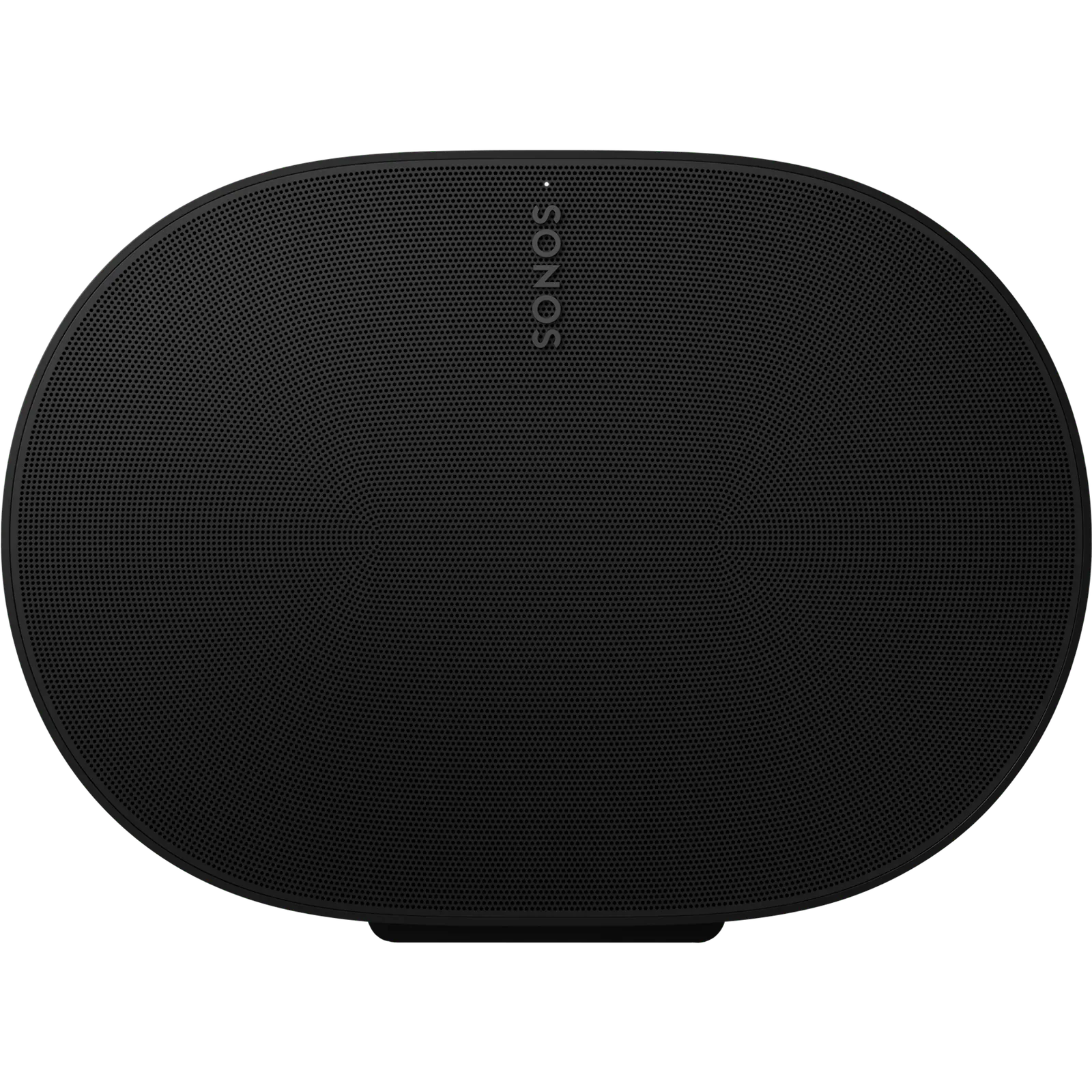
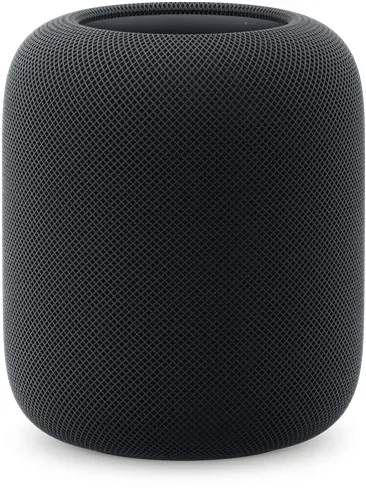
Sonos Era 300 belongs in the same conversation only after the soundbar decision. It is a premium music or surround-expansion speaker, not the first thing to buy for TV dialogue. Apple HomePod (2nd generation) is included here as the Apple-centered counterpoint, not as a normal soundbar replacement. It can make sense with a compatible Apple TV 4K when the whole TV setup is intentionally Apple-centered and simpler than a soundbar system.
Skip HomePod mini for a serious TV room. It is excellent as small Apple Home infrastructure, but the room will expose the audio limit quickly.
Bedrooms and offices reward smaller speakers
Bedrooms and offices usually need restraint. The speaker should be easy to place, easy to mute, and good enough for morning audio, timers, intercom-style use, and a few voice commands.
HomePod mini is the easiest Apple pick here. It is small, relatively inexpensive, and useful as always-on Apple Home infrastructure for Matter-over-Thread accessories. Google Home Speaker is the first Google audio speaker on Google's current list that also acts as a Thread border router. Its specs name Matter hub support and Thread 1.3, which makes it useful in a bedroom or office where Google Home needs both a voice point and nearby Thread coverage. Echo Dot Max is the direct Alexa answer for the same kind of room: Amazon lists it as a Matter controller and Thread 1.3 border router. Sonos Era 100 is the better choice when the room is about music quality rather than hub duties.
Matterhome has not tested the Google Home Speaker. A July 1, 2026 review praised the small speaker hardware but found Gemini for Home slow and inconsistent for some household commands. Buy it for a room and hub job that exists now, not for promised assistant polish.
The bigger HomePod (2nd generation) can make sense in a bedroom that doubles as a listening room, but do not buy a full-size speaker just because it looks like the premium version of a nightstand device. Room size and placement still matter.
Kitchens and shared rooms need shared control
Kitchens, dining rooms, and casual living rooms are the places where a speaker becomes part of everyday movement. People ask for timers, music, weather, podcasts, and quick volume changes while their hands are busy. The best pick depends less on raw specs and more on which people and services need to use it.
Sonos Era 100 is the calm default for a fixed room in a Sonos home. JBL Authentics 200 is more interesting when the household is split between Alexa and Google Assistant, because JBL supports both assistants on the same speaker plus Wi-Fi streaming, Bluetooth, AirPlay, and Chromecast. The two assistants do not merge their smart homes. JBL says Alexa cannot control a device that exists only in Google Home, and Google Assistant cannot control a device that exists only in Alexa. HomePod (2nd generation) is the Apple-centered choice when the room also deserves better sound than HomePod mini. Echo Studio (2025) is the Alexa-centered step-up when the room wants better audio and Alexa infrastructure without turning into a Sonos room.
The skip case is a room with a TV as the main source. Once people expect dialogue, volume sync, and one remote, treat the room like a TV room instead.
Bathrooms, patios, and temporary rooms play by different rules
Wet and temporary rooms make durability more important than voice control. A bathroom shelf, patio table, garage bench, or travel bag rewards battery life, water resistance, and easy phone audio more than it rewards a permanent voice assistant.
JBL Charge 6 is the simple rugged pick. It is Bluetooth-first, IP68-rated, portable, and meant to move. Sonos Roam 2 is the small Sonos choice for patios, parks, travel, and bathrooms when you still want Wi-Fi and Sonos behavior at home. Sonos Play sits between Roam 2 and Move 2 with IP67 protection, Wi-Fi, Bluetooth, and a claimed 24-hour battery. Move 2 is the premium portable Sonos choice when the speaker still needs to fill a larger room before it moves outside.
Avoid placing non-water-resistant mains-powered speakers close to showers, sinks, or outdoor weather just because voice control sounds convenient. Moisture, power, charging habits, and who controls the phone are the real buying constraints.
Ecosystem shortcuts and traps
Apple homes should start with whether the room needs a speaker, an always-on hub, or both. Apple says an iPhone on iOS 18 or later can add and control Matter accessories without a home hub, and a Thread-enabled iPhone can locally manage some Thread accessories. That makes it harder to justify HomePod mini or HomePod (2nd generation) only because the box says Matter. HomePod mini is still the neat small-room answer when the home needs a speaker plus persistent Thread coverage, remote access, shared control, or automations. HomePod (2nd generation) is better when sound quality matters, but it is expensive if infrastructure is the only job.
Google homes should use Google Home Speaker when the room placement helps the Thread mesh and the compact speaker is useful there. Its launch specification is Thread 1.3, so it is not the Thread 1.4 answer for a mixed Apple and Google network. Do not buy it only because Gemini might improve, and do not add one if a Nest Hub, Nest Wifi Pro, or Google TV Streamer already covers the same Thread devices from a better location.
Sonos homes should buy Sonos for room audio and multiroom behavior when the household accepts the Sonos app, account, and system as part of the speaker decision. Era 100 is the easiest fixed-room speaker, Era 300 is for spatial audio or premium expansion, Arc Ultra is for the high-end TV room, Beam Gen 2 is for the midrange TV room, Ray is for lower-cost optical TV audio, Roam 2 is for small outdoor portability, Play is for the bigger portable job, and Move 2 is the premium portable option. Sonos is a strong audio system, not a Matter controller strategy.
Alexa-first homes should not read the JBL Authentics 200 pick as a complete Alexa hub strategy. Authentics 200 is useful when a shared room needs both Alexa and Google Assistant, but it is not the Alexa Matter and Thread controller in this list. Echo Dot Max is the lower-cost Alexa room speaker that can fill that infrastructure role. Echo Studio (2025) is the better Alexa audio pick when the room deserves more sound. Echo Hub still makes more sense when the job is a dashboard instead of another speaker.
JBL makes sense when the room problem is practical access. Authentics 200 is useful for mixed Alexa and Google households that accept two separate smart-home account paths. Charge 6 is useful where water, dust, battery, and Bluetooth matter more than whole-home control.
A room-by-room starting list
Use this as a starting map, then buy one room first and test it before filling the whole home. The coverage is strongest at the high and midrange tiers. Lower-cost coverage is practical for small rooms and optical TV setups, but this guide is not trying to recommend the cheapest generic Bluetooth speaker or the cheapest no-name soundbar.
- High-end main TV room: Sonos Arc Ultra first, then consider Era 300 only if the room deserves premium surround expansion.
- Midrange TV room: Sonos Beam Gen 2.
- Lower-cost Sonos TV room with optical output: Sonos Ray.
- Apple bedroom or office: HomePod mini.
- Google bedroom, office, or hallway that also needs Thread coverage: Google Home Speaker.
- Alexa bedroom, office, kitchen, or hallway: Echo Dot Max.
- Kitchen or casual living room in a Sonos home: Sonos Era 100.
- Kitchen or shared room in a mixed Alexa and Google household: JBL Authentics 200.
- Apple music room: HomePod (2nd generation).
- Alexa music room: Echo Studio (2025).
- Bathroom, garage, or travel bag when rugged Bluetooth matters more than Sonos: JBL Charge 6.
- Small portable Sonos speaker for the patio, bathroom shelf, or travel bag: Sonos Roam 2.
- Bigger portable Sonos speaker for a larger room or longer outside session: Sonos Play.
- Premium portable Sonos speaker for bigger indoor-outdoor rooms: Sonos Move 2.
Buy one room first and live with the controls, grouping, voice behavior, and charging habits for a week. If the speaker solves that room's job without creating a new annoyance, repeat the same logic in the next room.
Content feedback
Spot a mistake or missing context?
Send a quick note so it can be checked against the source material.