What we like
- Smaller spherical body than the original Studio
- Woofer and three full-range drivers support its spatial-audio design
- Dolby Atmos support for compatible content
- Current Fire TV system supports up to five matching Studios
What could be better
- $120 more than Dot Max for the same basic Alexa and Thread roles
- Several speakers turn it into an expensive system
- New home-theater configurations cannot mix Studio and Dot Max units
- Alexa+ and music-service costs are separate from the speaker
Pay the premium for listening, not for Alexa commands
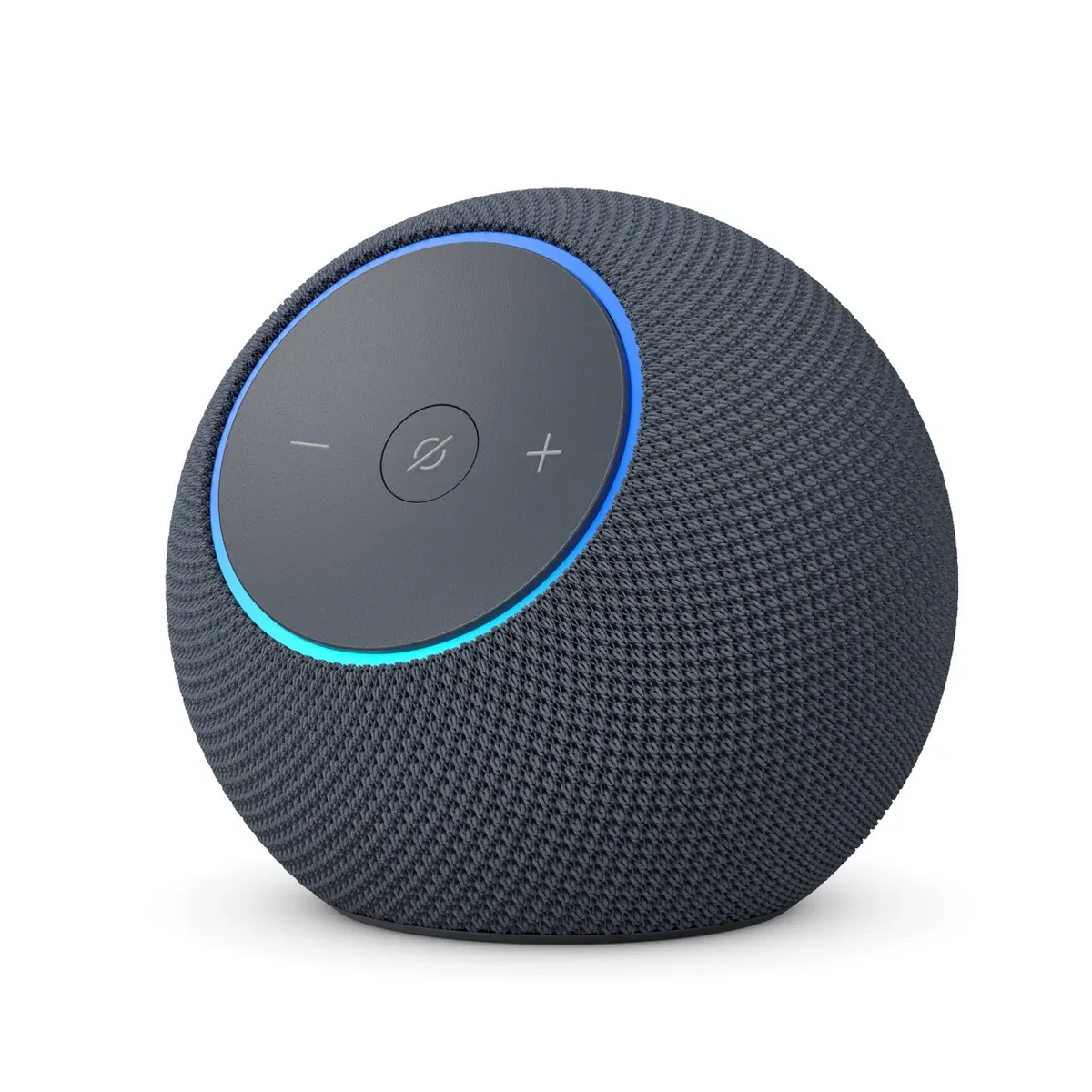
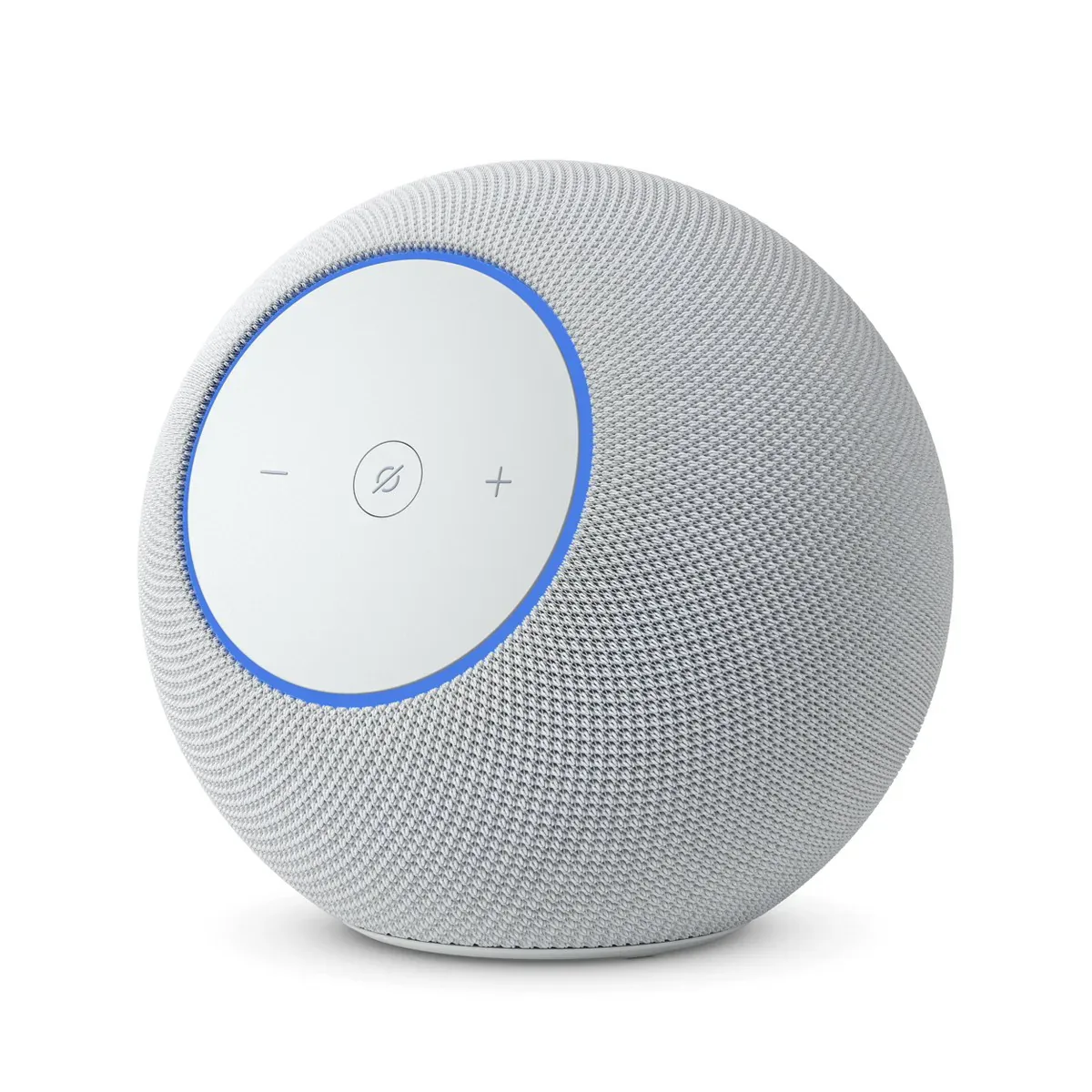
Echo Studio's 2025 redesign is the more ambitious audio option in Amazon's compact speaker range. A woofer and three full-range drivers underpin its spatial-audio design, with Dolby Atmos for compatible content. Its spherical fabric-covered body is also easier to accommodate than the original Studio's larger cylinder; Amazon describes the new model as 40 percent smaller.
Those are credible reasons to consider it for a room where you sit down to listen. They are weaker reasons to spend more on a speaker used mainly for alarms, weather and light switches. At Target's checked $219.99 US price on September 10, 2026, Studio costs $120 more than Echo Dot Max.
We would not treat driver count or the Atmos logo as proof that it outperforms every similarly priced speaker. Its clearest appeal is bringing a more substantial audio design into a household that already uses Alexa and Amazon's entertainment system.
The smaller shape is the upgrade existing owners can see
The new body trades the original's tall, conspicuous shape for a rounded object about six inches across. That can make it more practical on a shelf or sideboard. Placement still needs to serve listening as well as the power connection; buying the premium speaker only to tuck it behind furniture weakens the case for it.
An original Echo Studio already has a Matter-controller and Thread-border-router path in Amazon's current support list. A working older Studio therefore does not need replacing to gain those roles. Keep it if its size and sound already suit the room.
The 2025 model's newer Fire TV grouping is a separate reason to consider changing. It is a purchase decision about the whole audio arrangement, not simply a better hub badge.
Count the speakers before choosing home theater
Amazon now supports up to five matching 2025 Studios and an optional Echo Sub with selected Fire TV hardware. Mixed Studio/Dot Max combinations are not supported. Two Studios total $439.98; five reach $1,099.95 before the subwoofer, Fire TV device, tax or any bundle saving.
Supported sources include Fire TV Cube third generation, Stick 4K Max second generation, Stick 4K second generation and Stick 4K Plus. To bring sound from other TV inputs into that system, Amazon also requires the appropriate HDMI ARC connection. It is not a universal wireless-speaker upgrade for any television bearing the Fire TV name.
This is most attractive when you already use a suitable Fire TV and want to expand gradually with matching speakers. At the larger system price, compare a conventional soundbar or receiver setup before committing to Amazon's particular combinations.
Decide which ecosystem deserves the spending
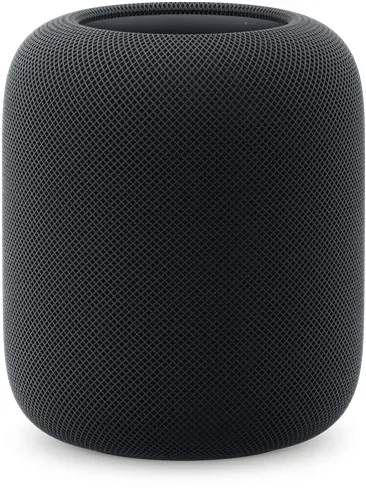
Studio supplies Alexa's Matter and Thread infrastructure, but its music does not become a Matter audio accessory for other platforms. HomePod second generation is the more natural comparison for an Apple Home and AirPlay household.
US Alexa+ access on Echo is included with Prime or available through a separate $19.99 monthly plan. Music services and suitable spatial-audio content are additional considerations; buying Studio does not supply every subscription.
Choose the 2025 Studio for its smaller form and the audio system you intend to use. For a room where Dot Max is enough, keep the $120 difference. For an original Studio that is already doing its job, keeping it is the strongest value.
Content feedback
Spot a mistake or missing context?
Send a quick note so it can be checked against the source material.