What we like
- Distinctive retro cabinet with useful volume, bass and treble knobs
- AirPlay 2, Spotify Connect and Chromecast accommodate different music habits
- Built-in 3.5 mm input and Ethernet avoid proprietary adapters
- Alexa and Google Assistant can coexist where supported
What could be better
- $379.95 is a substantial premium if the styling and input choices are unimportant
- Mains-powered, 3.12 kg cabinet is intended to stay in one place
- No HDMI connection or Dolby Atmos on the 200
- Muting the microphone also disables automatic self-tuning
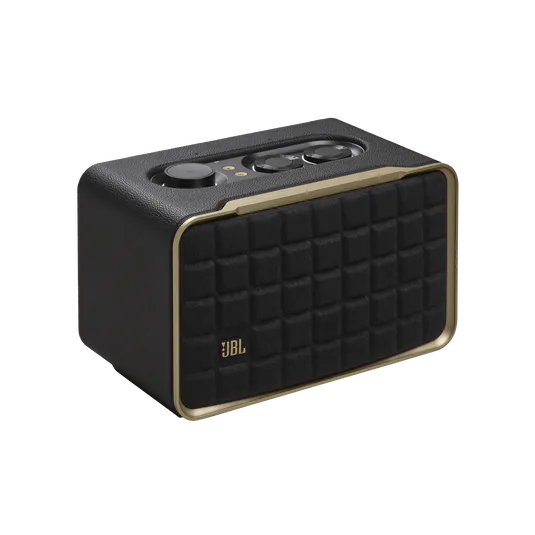
The knobs are as appealing as the retro grille
The JBL Authentics 200 has a convincing reason to occupy a visible spot in the room. Its square-pattern grille, gold-colored trim and three top knobs look more like a small piece of audio equipment than a voice-assistant accessory. The volume, bass and treble controls are functional, too: adjusting a podcast or changing the balance of a playlist does not require opening an app.
That combination of appearance and everyday control is the strongest reason to choose it. At the checked $379.95 US price, it is expensive for someone who mainly wants kitchen timers or background radio. We would buy it for a room where its design, inputs and music features will all get used.
A speaker you can share without sharing one phone
AirPlay 2, Spotify Connect and Chromecast give different household members ways to play from familiar services. Network playback also avoids making every listening session depend on a nearby Bluetooth connection. Ethernet is built in if the preferred shelf is close to the router or a network socket.
Bluetooth remains useful for a visitor or an occasional source. The 3.5 mm input is a welcome extra for a computer or another device with an analog output, without buying a proprietary input adapter. The audio cable is separate. That flexibility makes the Authentics more interesting than its assistant logos alone suggest.
The rear USB-C socket is less versatile than it looks. JBL specifies USB-storage playback for the US version and service use for other versions. It is not a general promise of USB audio from a laptop. For a wired computer connection, plan around the analog input.
Sound controls that invite adjustment
The cabinet contains two tweeters, a five-inch woofer and a downward-facing passive radiator. JBL also provides automatic self-tuning and app EQ; a released update expanded that EQ to seven bands. The useful buying point is the ability to adjust the balance, especially if you want less bass for background listening or a different setting for music.
Matterhome has not listened to the speaker or measured its output. The driver layout and JBL's sound claims do not establish that it beats a rival, stays clean at party volume or fixes every awkward room. If sound quality is the main reason for spending this much, an audition is more valuable than the wattage figure.
There is a small but meaningful control tradeoff. The rear microphone switch turns off voice pickup, but JBL's manual says it also disables automatic self-tuning. Manual tone adjustment remains available. Buyers who intend to leave the microphones off should judge the speaker on those controls and inputs, rather than count on ongoing automatic tuning.
Two assistants, with separate accounts
Where supported, Alexa and Google Assistant can both be available on the same speaker. That suits a shared room where people already use different assistants. It does not automatically merge their accounts, music subscriptions or smart-home devices; each service still needs its own connections. Availability also depends on country and language.
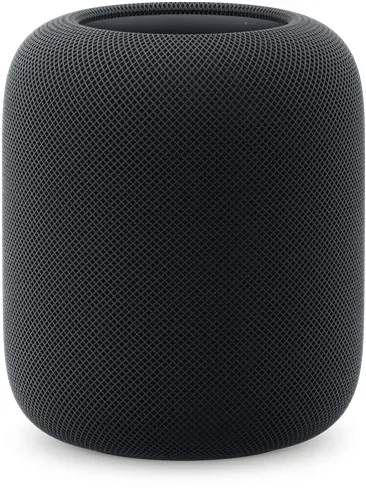
Apple users can add the Authentics 200 to Apple Home as an AirPlay 2 speaker. That is useful for music, but it does not make the JBL an Apple home hub or Thread border router. Choose HomePod when Siri, Apple Home hub duties or an Apple TV audio arrangement are central to the purchase. The JBL's appeal is its broader input choice and physical tone controls.
Buy one deliberately before planning a houseful
The Authentics 200 is about 26.6 cm wide and weighs 3.12 kg. It needs mains power, with the power cord included. It belongs on a settled shelf or sideboard; choose a battery speaker for carrying music outside. For a television, its lack of HDMI and Dolby Atmos makes a purpose-built TV audio system a more natural starting point.
Stereo pairing is available through released software, so two Authentics 200s are an option. At the checked price, however, the pair costs $759.90 before tax. That is enough money to compare a dedicated stereo system, particularly if listening from one seat matters more than voice control.
JBL's black US speaker was in stock at $379.95 on September 10, 2026, with free standard shipping in the contiguous US. Keep an existing speaker if it already sounds good to you and accepts your usual music source. Choose the Authentics when its retro cabinet, accessible knobs and flexible connections earn their place in your daily listening.
Content feedback
Spot a mistake or missing context?
Send a quick note so it can be checked against the source material.