What we like
- Separate woofer and tweeter give music a stronger hardware basis than a basic Dot
- Automatic room adaptation adjusts playback for placement
- Combines an Alexa speaker with Matter and Thread infrastructure
- Supports the current multi-speaker Fire TV home-theater system
What could be better
- $99.99 is excessive for a room that only needs timers
- Alexa+ on Echo requires Prime or a separate paid plan in the US
- Home-theater speakers must be the same model
- Adds little to an existing Echo that already handles the room well
A better reason to buy a Dot is music
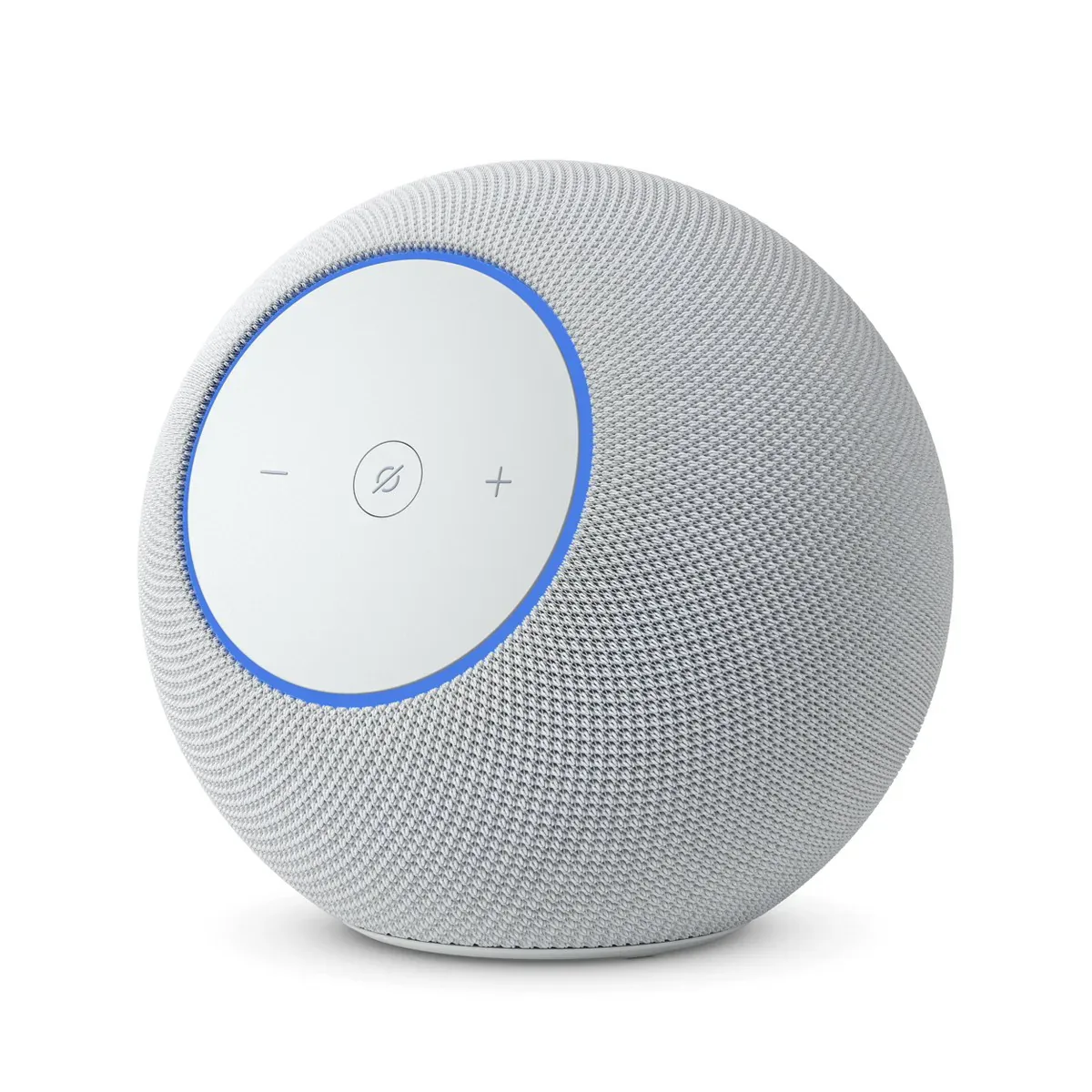
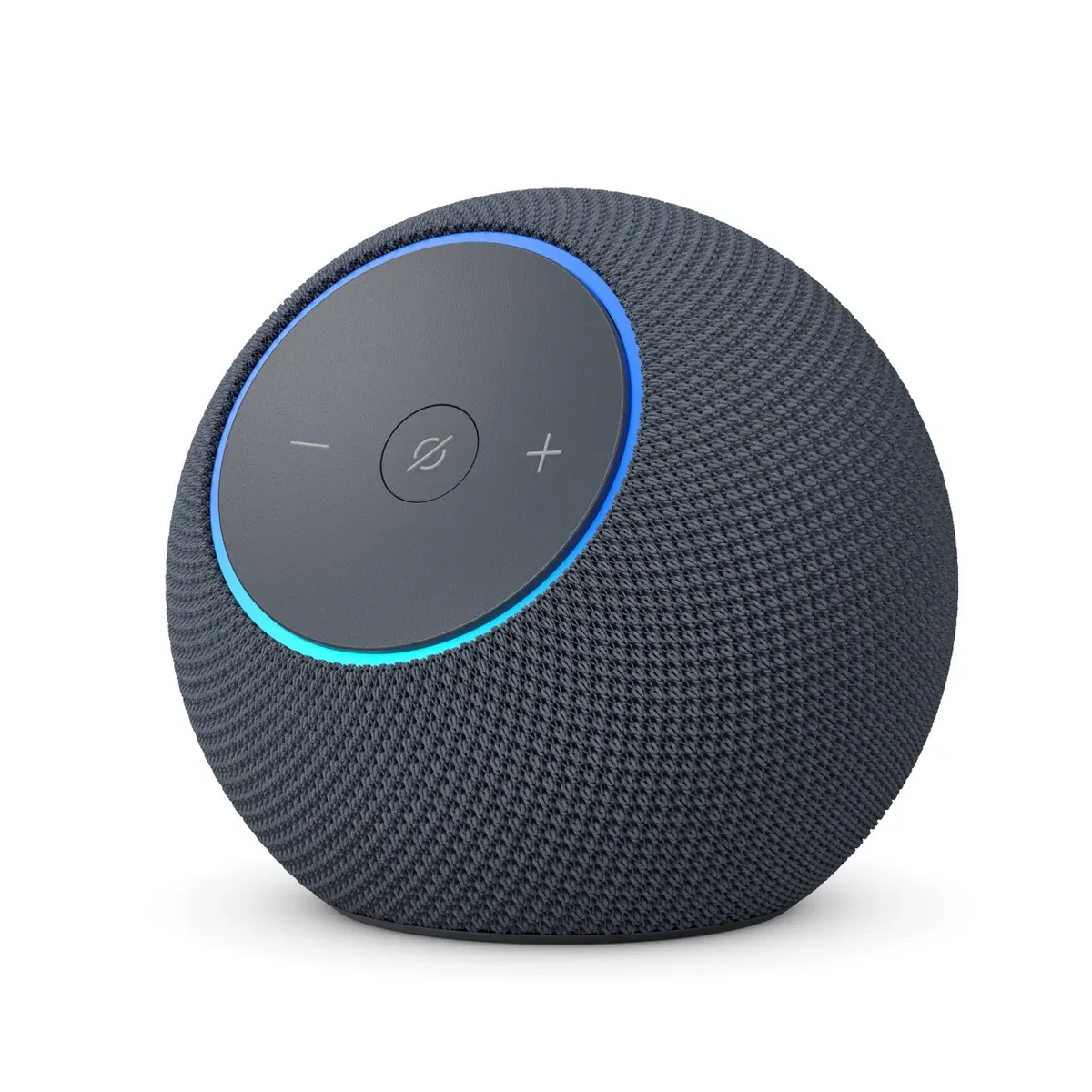
Echo Dot Max makes sense for an Alexa household that wants one compact speaker to handle music, voice requests and smart-home devices. Its two-way design gives the woofer and tweeter separate jobs, while automatic room adaptation adjusts playback for where it sits. Those are useful changes from the basic Dot's simpler speaker design.
At the checked $99.99 US reference price, this is a purchase for a room where music is part of the day. A kitchen timer does not need the extra audio hardware. Nor would we replace a working Echo solely because the newer model is marketed around Alexa+.
Amazon's claim of nearly three times the bass is a manufacturer comparison with the fifth-generation Dot, not a measure of how much better your favorite album will sound. Consider the Max when the basic Dot feels too limited for music; that bass number alone should not decide it.
The speaker and hub can share a useful location
A speaker on a kitchen shelf or side table can also be a well-placed Thread border router for nearby accessories. The Max includes that role and an Alexa Matter controller, so a compatible Thread sensor does not require a separate brand hub simply to reach Alexa.
This is infrastructure for Alexa; the speaker does not become a Matter music player inside every other smart-home app. If the room already has an Echo or other suitable Thread hardware covering the same job, another Max does not automatically improve the network.
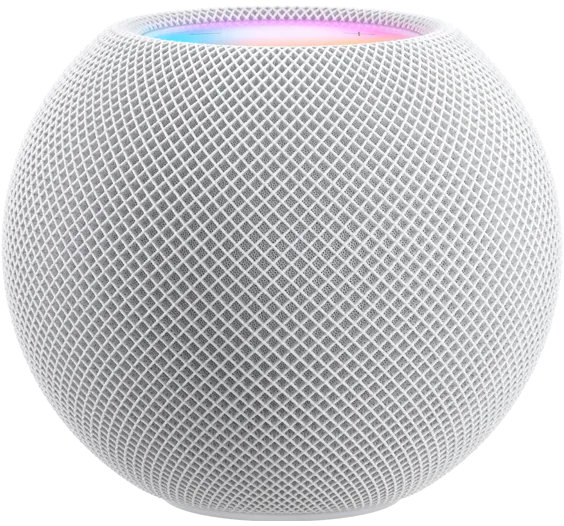
HomePod mini is the more coherent small-speaker comparison for someone who wants Siri and Apple Home. For an existing Alexa household, Echo Studio is the relevant step up when the larger audio system matters enough to spend more.
Home theater has a real limit on mixing speakers
Amazon's current Fire TV system supports up to five Dot Max speakers with an optional Echo Sub. It does not let you mix Dot Max and Studio units in that configuration. A pair of Max speakers costs $199.98 at the reference price; five reach $499.95 before the subwoofer, Fire TV hardware or tax.
The supported Fire TV list includes Cube third generation, Stick 4K Max second generation, Stick 4K second generation and Stick 4K Plus. A product merely carrying the Fire TV name is not enough. This can be a useful expansion for someone already using suitable hardware, but it deserves a system-level comparison with a soundbar before buying several speakers.
Count Alexa+ separately
In the US, Alexa+ on compatible Echo devices is included with Prime or costs $19.99 a month through the separate plan. The free browser/app chat tier is different. The speaker's purchase price does not include a permanent standalone Alexa+ subscription.
For an existing Prime household, that extra assistant experience has no additional Alexa+ charge. For someone considering a subscription only for this speaker, the ongoing cost can outweigh the hardware quickly. Buy the Max because its room and audio duties are useful now, and keep an older Echo that already fulfills them.
Content feedback
Spot a mistake or missing context?
Send a quick note so it can be checked against the source material.