What we like
- Compact stereo speaker with physical volume controls
- Quick room tuning works with Android and iOS
- Bluetooth and optional line-in broaden its use beyond streaming services
What could be better
- Microphone-free Era 100 SL costs $30 less
- Mains power and initial Sonos Wi-Fi setup limit casual portable use
- Line-in costs extra and is disabled when the speaker becomes a surround
A useful room speaker, with a cheaper sibling to consider
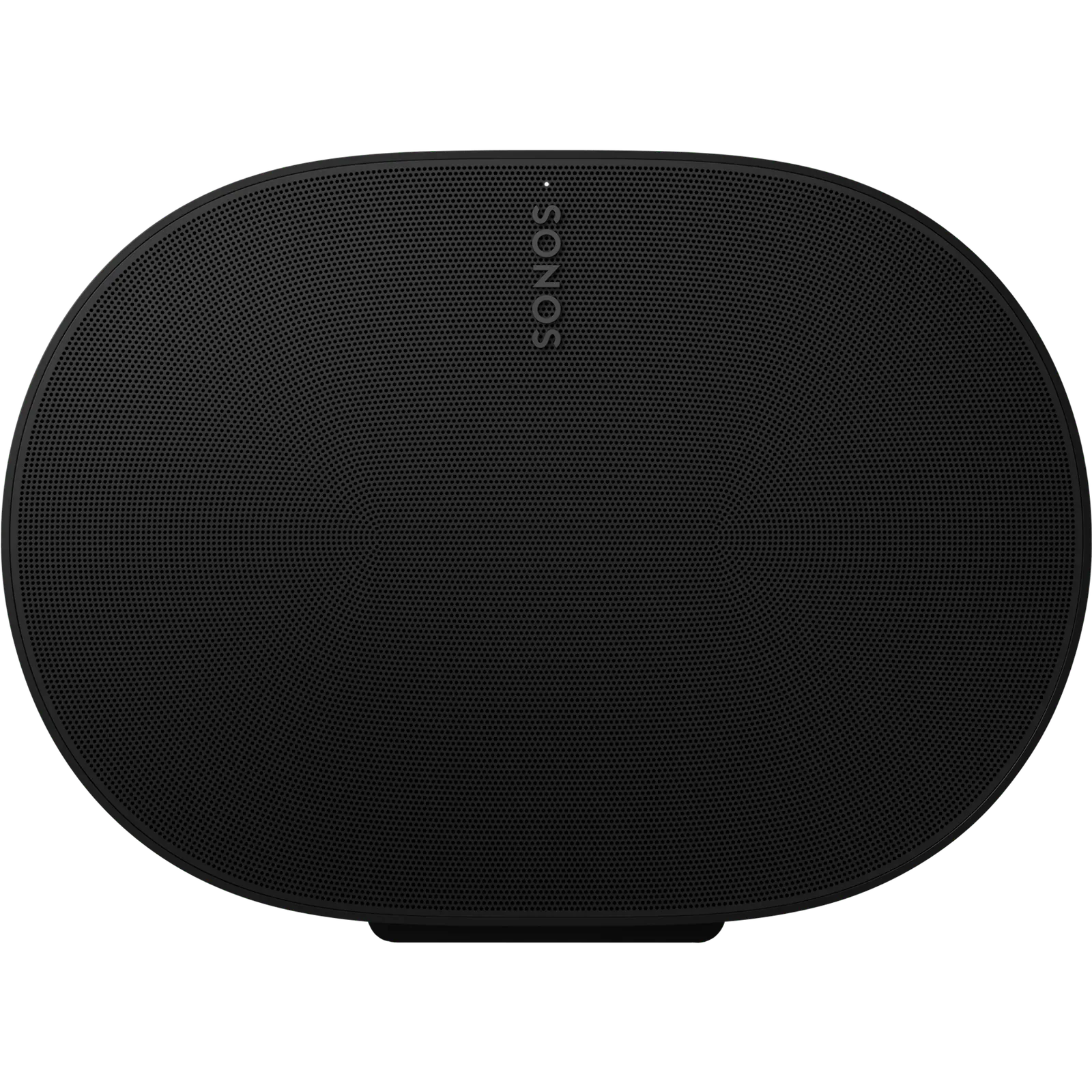
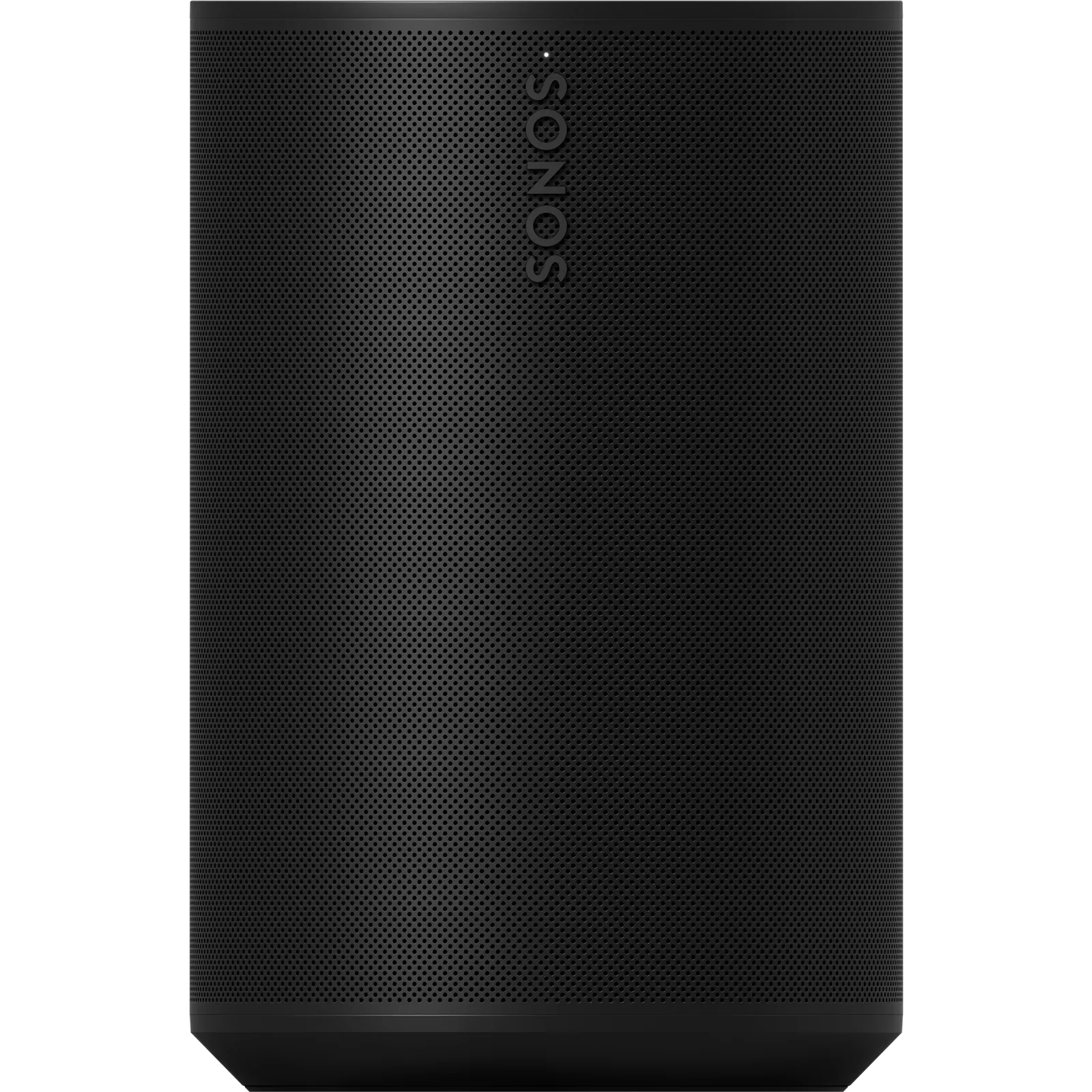
Sonos Era 100 fits the unglamorous job most speakers actually do: music while cooking, radio at a desk, or an album in the bedroom. It is small enough to leave on a counter, with a volume slider on top so changing the level need not involve finding a phone. Two angled tweeters and a midwoofer provide stereo playback from one enclosure.
At the US Sonos store on September 11, 2026, it was available to order for $219 with free shipping, before sales tax. That is a reasonable place to start if you already use Sonos in another room. For a first purchase, the $189 Era 100 SL deserves equal attention: paying the extra $30 should solve something you care about.
The extra $30 buys microphones and easier tuning
Era 100 offers Alexa and Sonos Voice Control where supported, and its microphones also enable Trueplay quick tuning. Quick tuning uses the speaker's own microphones and works from Android or iOS. It offers a convenient way to adjust the speaker to its surroundings without walking an iPhone around the room. It is room correction, not a promise that any shelf will sound wonderful.
Era 100 SL removes the microphones and built-in voice services. Its Trueplay option requires a compatible iOS device. I would choose SL for a room controlled entirely by phone or physical buttons, especially in an iPhone household. Android users who want quick tuning have a clearer reason to spend the extra $30 on Era 100.
You can switch Era 100's microphones off in hardware. That is useful if you want the choice, but buying the microphone model and never using its voice or tuning features makes the saving on SL harder to ignore. Google Assistant is not built into either of these Era models.
More flexible than a streaming-only box
Bluetooth lets a visitor play music without adding their streaming account to your Sonos system. AirPlay 2 gives Apple devices another familiar route. Initial setup still needs the Sonos app and Wi-Fi, and there is no battery: the 182.5 mm-tall speaker needs a power socket wherever it goes. This is a room fixture you can relocate, not a grab-and-go picnic speaker.
A turntable or CD player can join through the USB-C port, but the $19 Sonos Line-In Adapter and an appropriate audio cable cost extra. A turntable also needs a suitable phono preamp, whether built in or separate. The appeal is bringing an existing music source into the Sonos system; the socket alone does not make the speaker a complete vinyl setup.
Sonos also creates a commitment to its app, accounts and network for the system features. AirPlay and Alexa support do not turn Era 100 into a Matter hub. Make sure you like the music controls and multiroom system before buying several speakers around them.
One speaker now, two only for a clear purpose
Two Era 100s can become a stereo pair with physically separate left and right speakers. Sonos listed its two-speaker set at $413 on the same date. That is $66 less than one Era 300, making the pair worth considering when you have two sensible positions and mainly listen to stereo recordings. Era 300's distinguishing reason to spend more is spatial audio, which Era 100 does not provide.
A matching pair can also serve as rears for a compatible Sonos soundbar. In surround use, their separate Bluetooth, AirPlay and line-in inputs are disabled. Music can still play through the home-theater room, but the rear speaker stops doubling as an independent input for your turntable.
For everyday listening, start with the one speaker the room needs. Keep an existing Sonos speaker if it already handles your music well; Era 100's useful upgrade reasons are Bluetooth, optional line-in or its tuning and controls. A newer shape alone is a weak reason to replace working audio equipment.
Content feedback
Spot a mistake or missing context?
Send a quick note so it can be checked against the source material.