What we like
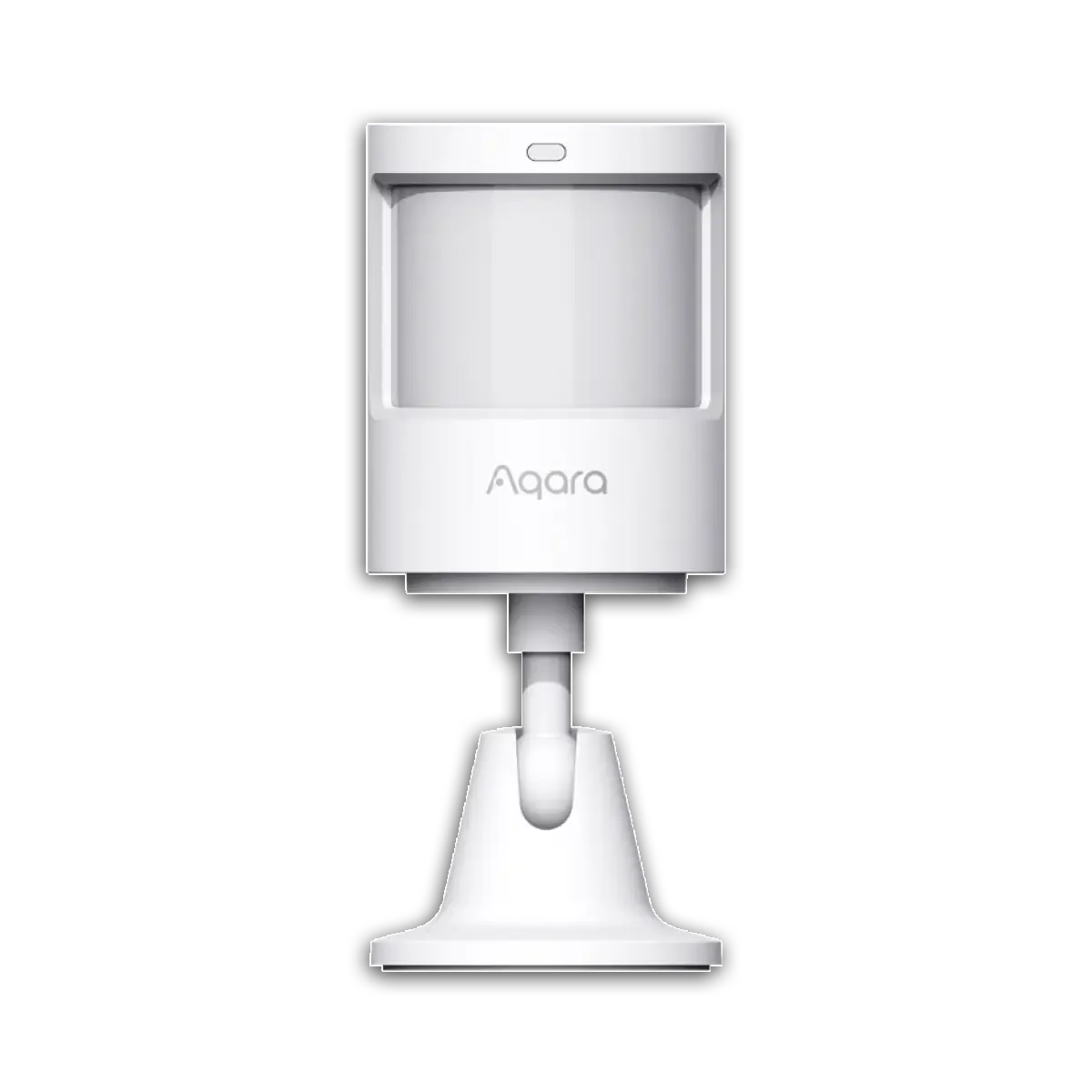
- Adjustable stand helps aim the sensor at a useful path
- Independent light reading can support brightness-based rules
- Small battery-powered body with no visible power cable
- Native Matter connection without an Aqara hub
What could be better
- Almost three times IKEA’s listed sensor price
- PIR motion cannot reliably establish a still occupant
- Alexa does not support its light-sensor function
- Indoor-only body and two coin cells limit placement and upkeep choices
The adjustable stand is its best everyday feature
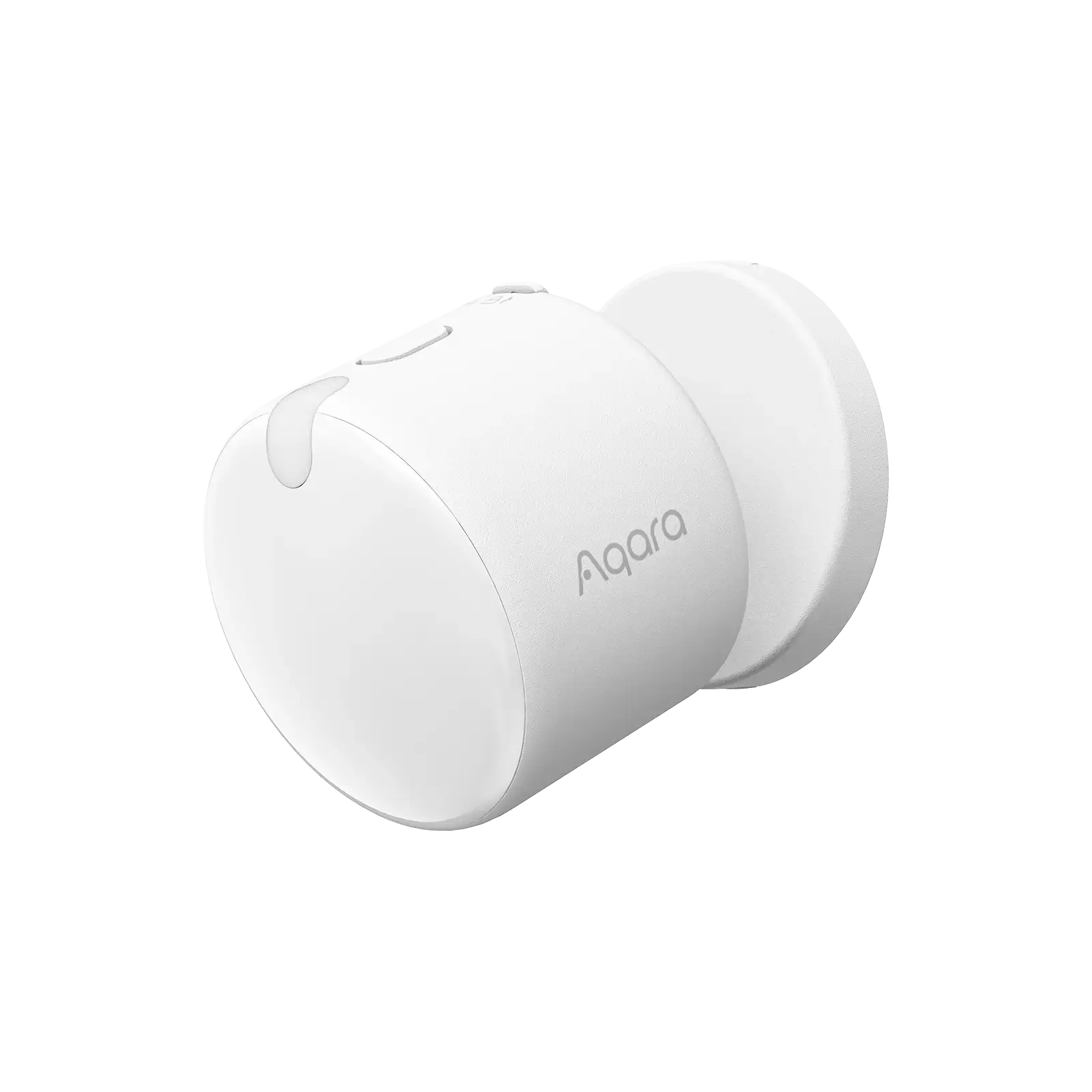
A motion sensor is more useful when it can face the route people actually take. Aqara's Motion and Light Sensor P2 includes an adjustable stand, so a shelf, wall or suitable corner can become a practical position without the whole sensor having to sit flat against the surface.
That makes it an appealing candidate for a hallway entrance or utility-room light. The small 33.1 × 33.1 × 41.6 mm sensor body is easier to accommodate than another powered gadget and has no cable to conceal. Its stand adds to the space needed, so the body dimensions are not the complete mounted footprint.
Aqara's US store listed it at $33.99 on September 10, 2026. One sensor costs $43.98 with listed standard shipping in the contiguous US and DC, before tax. That is a meaningful price for a simple lighting convenience.
Useful for passing through, limited for sitting still
P2 uses passive infrared sensing to detect movement. Aqara rates its coverage at up to 7 meters with a 170-degree horizontal field under stated laboratory conditions. Those figures help describe the intended area; they are not evidence of perfect coverage behind furniture or measured response in your room.
The design suits an arrival trigger better than a desk-occupancy decision. If someone settles down to read, the lack of a new motion event does not establish that the room is empty. Extending a light's off-delay can reduce interruptions, but it also leaves the light on longer after someone actually leaves.
For that specific frustration, Aqara FP300 is the more appropriate type of sensor. It adds radar intended to detect small movements from a still occupant. P2 remains sensible where people keep moving and the room only needs a straightforward trigger.
The light reading adds value in the right app
P2's illumination sensor works independently of the motion event. That makes a rule based on the room's actual brightness possible, rather than simply assuming every evening is dark enough to need a lamp. A sensor hidden behind furniture will not necessarily measure the same light as the workspace you care about.
Aqara explicitly excludes Alexa from the light-sensor function. For an Alexa buyer using motion alone, that removes part of the reason to pay P2's premium. Other apps must support the illuminance reading and intended routine; the presence of a second sensor does not make every automation interface equivalent.
Native Matter operation needs a Matter controller and Thread border router, without requiring an Aqara hub. Manufacturer material also advertises Aqara-specific sensitivity and timeout controls, but includes future-feature wording. Buy around the documented motion and light functions unless the exact tuning you need is confirmed for your firmware and app.
IKEA puts pressure on the price
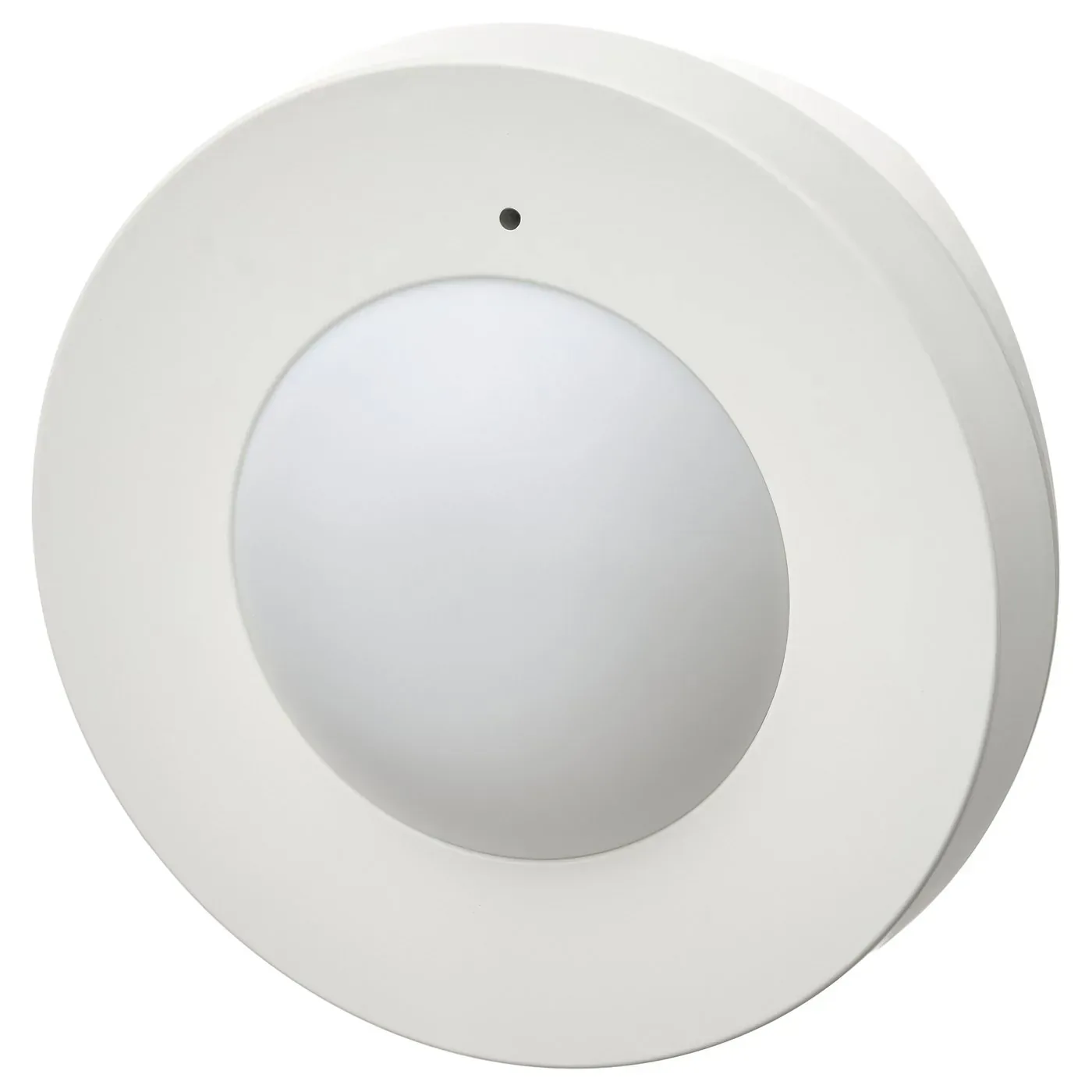
IKEA MYGGSPRAY was $11.99 US on the same date, with two AAA batteries extra. P2 includes its two CR2450 coin cells, but that does not erase the $22 hardware-price difference. P2's adjustable stand and the way its independent light reading fits your rules need to justify the extra.
P2 is indoor-only; a porch sensor is a different purchase even when the operating-temperature specification looks suitable. Its claimed two-year battery life is conditional on the ecosystem and usage, not a result of our testing. Keep a working motion sensor if it already covers the path and triggers the light as required.
Content feedback
Spot a mistake or missing context?
Send a quick note so it can be checked against the source material.