What we like
- Two outlets can run separate lighting schedules
- No Tapo bridge required
- Separate physical controls for the two outlets
What could be better
- No dimming or energy monitoring
- IKEA offers a cheaper Thread alternative
- Conflicting temperature guidance weakens the case for freezing locations
Two lighting jobs from one outlet
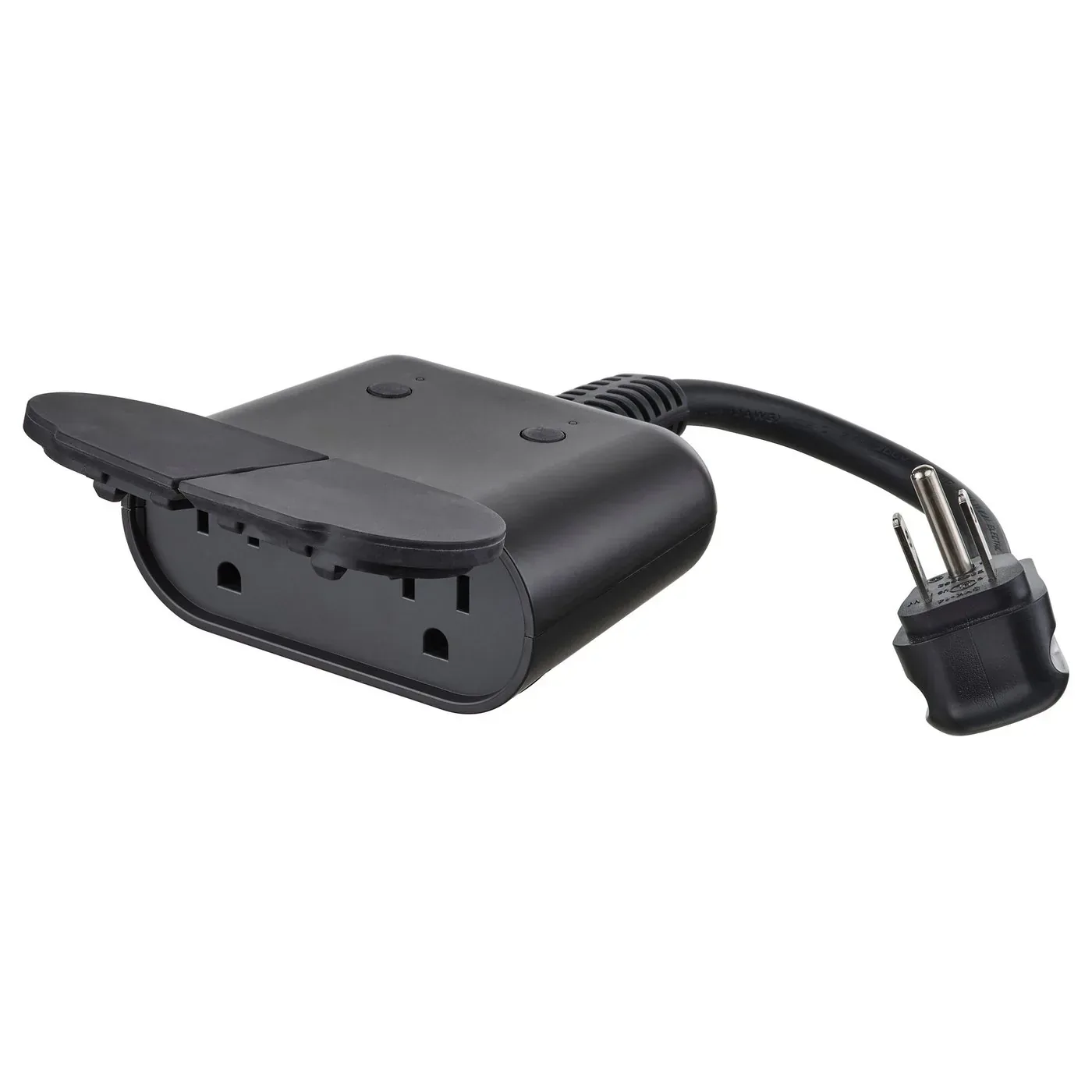
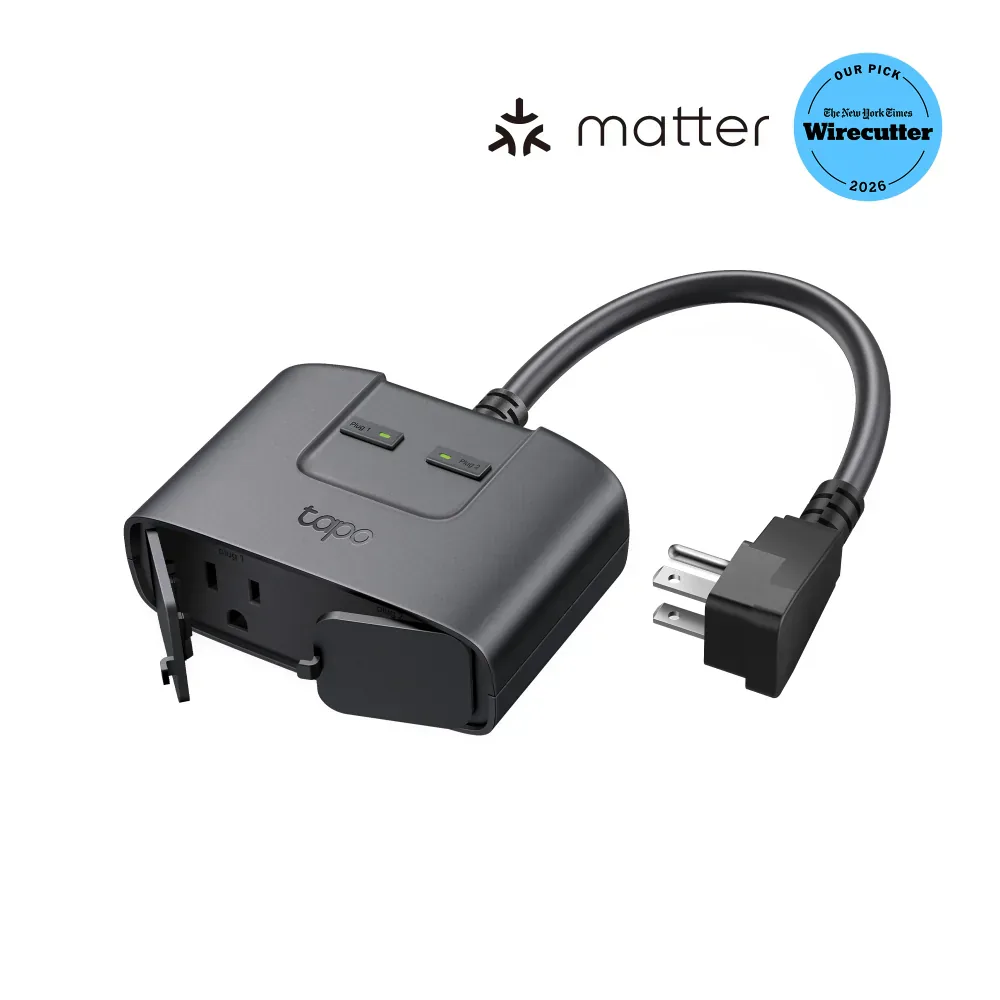
The best reason to choose P400M is a patio with two different lighting jobs. String lights can follow one schedule while a seasonal decoration follows another. Separate outlets and physical controls make that more useful than a splitter that turns everything on and off together.
It connects over 2.4 GHz Wi-Fi and does not require a Tapo bridge. That makes it attractive when Wi-Fi already reaches the installation and you do not have a Thread network there. Its combined limit is 15 A/1800 W for general or resistive loads across both outlets, not that amount on each.
Useful switching, no softer light
P400M cannot dim either outlet or report energy consumption. For decorations that simply need to come on at dusk, that is a reasonable feature set. For a bright string of patio lights, being able to switch them from the sofa will not make the light any gentler. A suitable outdoor dimmer is the better category for that job.
Independent control is available in Tapo and supported Matter routes including Apple Home and Google Home. Alexa buyers should avoid assuming the same two-outlet control: the manufacturer's feature guidance does not clearly establish it. That distinction matters if separate voice commands are the reason for the purchase.
Value depends on what you already own
The checked Tapo store listing was $25.99 and sold out. IKEA TOFSMYGGA was listed at $19.99 for its US two-outlet version, making it the more interesting starting point if suitable Thread hardware and coverage are already in place. P400M earns the extra cost when its direct Wi-Fi route avoids buying additional equipment.
The IP65 enclosure needs a GFCI-protected outlet and vertical mounting with sockets down, at least 12 inches above the ground. TP-Link's temperature guidance conflicts between the outdoor product page and manual, so we would get confirmation before buying it for a freezing winter location. That unresolved detail makes the recommendation narrower than the outdoor label alone suggests.
Content feedback
Spot a mistake or missing context?
Send a quick note so it can be checked against the source material.