The radios decide this more than the memory
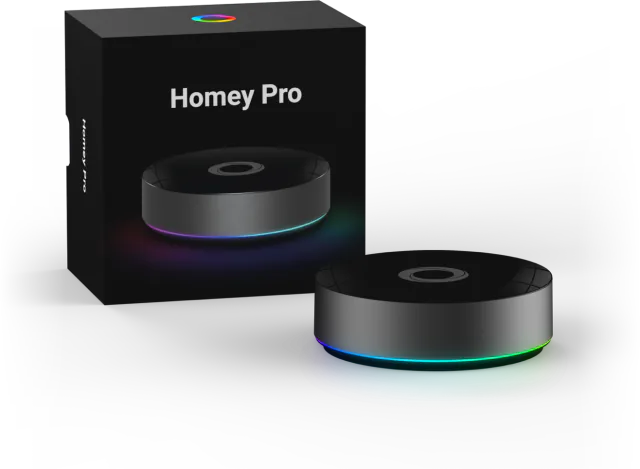
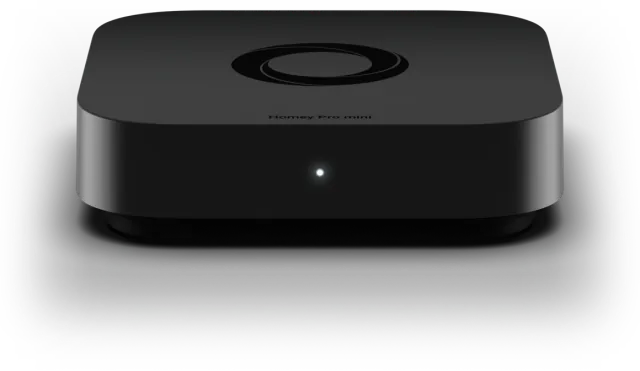
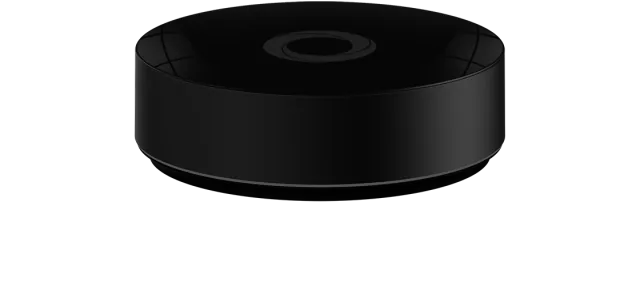
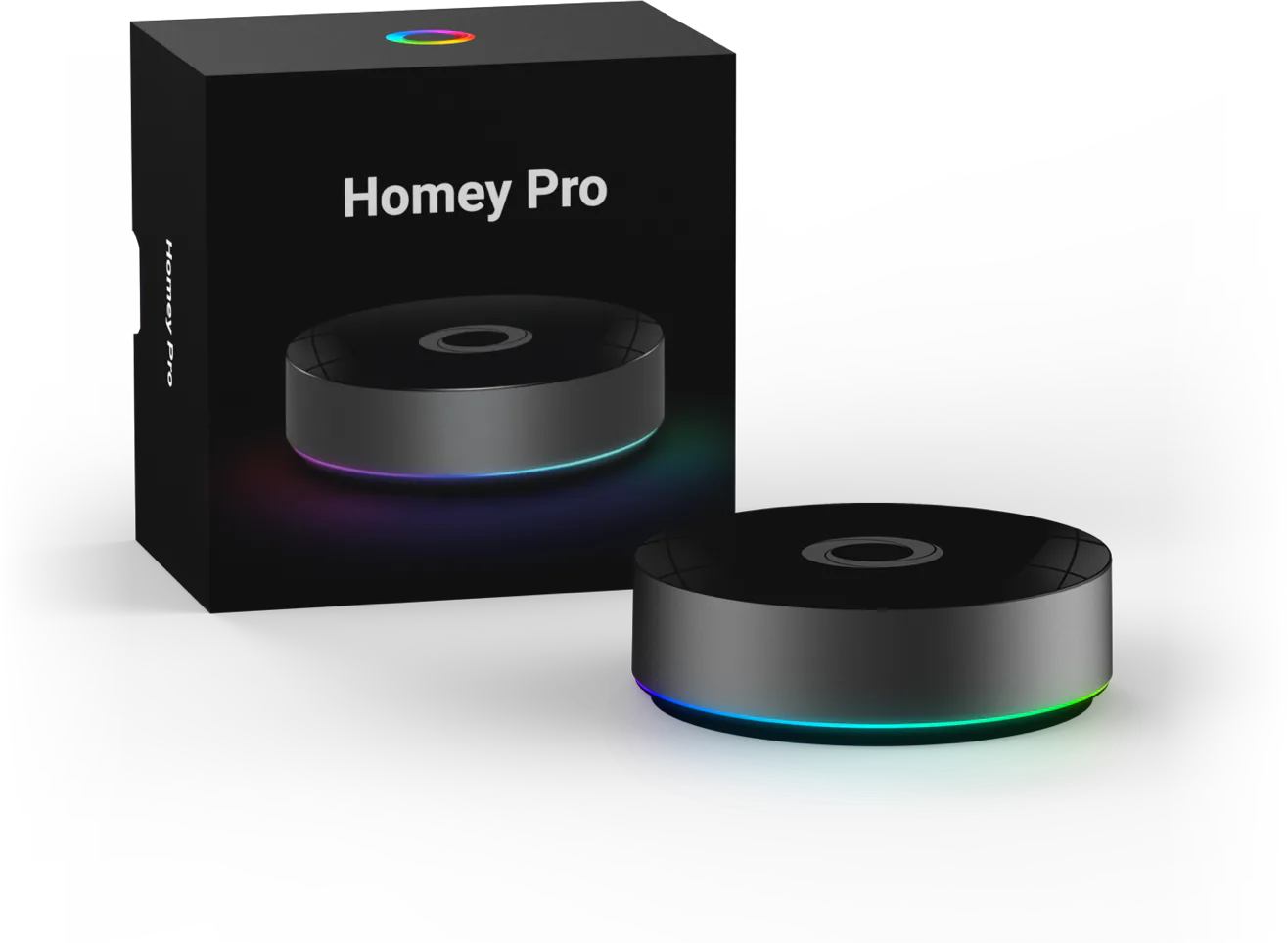
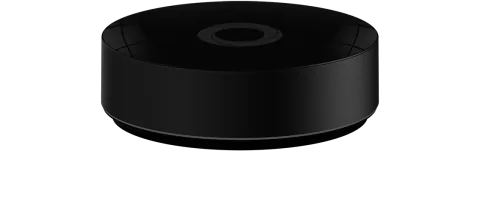
Homey Pro (2026) is the full-size Homey hub: Zigbee, Z-Wave, Thread, Bluetooth LE, infrared and 433 MHz in one box that joins the network over 2.4 or 5 GHz Wi-Fi. Against the Homey Pro mini, that radio list is most of what the extra money buys. The mini has Zigbee and Thread, connects only by Ethernet, and needs the separate Homey Bridge, about $70, for Z-Wave, Bluetooth, infrared and 433 MHz.
A home that already has Z-Wave sensors, Bluetooth LE sensors, an infrared air conditioner or 433 MHz blinds gets the tidiest result from the Pro: one hub, placed wherever Wi-Fi reaches. A mini with a Bridge still costs about $130 less in the US, £130 in the UK and €100 in the eurozone, but that means two powered boxes, and the mini still has to sit beside a network socket. In the US and Canada, 433 MHz transmission is switched off on both the Pro and the Bridge, so that radio adds nothing there.
A home built on Matter, Zigbee and Wi-Fi devices needs none of those extra radios. For that home, the mini runs the same Homey software, including Advanced Flow, for much less.
Memory matters only in app-heavy homes
The change from the 2023 model is RAM: 4 GB instead of 2 GB, against 1 GB in the mini. Homey apps are mostly one per brand or service, so memory tracks how many brands you connect, not how many devices. By Homey's figures, the average Homey Pro owner installs 14 apps and the mini runs 20 to 25 comfortably. Homey claims the 2026 Pro can run well over 100.
That makes the extra memory a reason to buy only for a household that already juggles many brands, cloud services and community apps, or plans to. For a typical mixed home, the mini's allowance is enough, and choosing it is not a dead end: a mini's backup can be restored onto a Pro if the home outgrows it.
It handles Thread pairing on its own
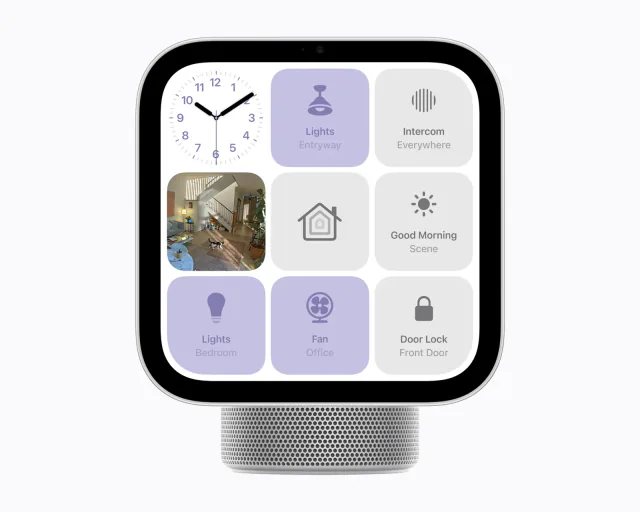
The less obvious advantage is for iPhone owners. The Pro can add a Matter device with its own Bluetooth radio and put a Thread accessory on its own Thread network. The mini adds Matter devices only through the phone, and for a Thread accessory on an iPhone that route needs another Thread border router, such as a HomePod, because Homey's Thread network cannot be added to iOS. An iPhone household without an Apple home hub can start with Thread accessories on the Pro; with the mini, it would first need a HomePod or another border router the iPhone can use.
The Pro cannot join an Apple or Google Thread network, because its Zigbee and Thread share one radio. If you already run one, accessories added through the Pro build Homey's own separate Thread mesh. Adding them through the phone instead puts them on the network your HomePod or Nest hub already runs, with Homey still in control.
Owners of the 2023 model should keep it
The 2026 Pro uses the same hardware platform as the Pro (Early 2023): the same processor, storage and radios. Both are treated as one generation, with the same features and updates and software support until at least June 2031. A 2023 owner gains memory and nothing else.
Upgrading makes sense only when memory is the limit you actually hit, with many apps installed and a hub that struggles to keep up. Moving over is a backup and restore: apps reinstall automatically, services such as Alexa or Google Assistant need signing in again, and each Zigbee device needs a repair command to reconnect. Homey does not say whether Thread accessories carry over, so allow time to re-add them. Paying about $450 to solve a problem you do not have is poor value.
The Early 2023 model is still available through Homey's resellers. For a new buyer it makes sense only at a clear discount; near the 2026 model's price, take the doubled memory.
Price and what comes with it
The Pro launched at about $400 and rose to about $450 in June 2026 when Homey passed on higher memory and storage costs. The mini rose at the same time and is still about $200 cheaper in the US, £200 in the UK and €170 in the eurozone. Advanced Flow, dashboards, energy tracking, remote access and voice assistant links are included without a subscription. Local backups to a computer are free, and automatic cloud backups cost about $10 a year. Wired networking needs Homey's Ethernet adapter, about $30 extra.
The Matter Bridge app works the same on the Pro and the mini. It shares supported lights, plugs, thermostats, locks, blinds, sensors and alarms with Apple Home, Google Home, Alexa, SmartThings or Home Assistant, while some advanced features stay in Homey. Apple Home still needs its own home hub for remote access and automations on those bridged devices.
Buy the 2026 Pro when the home has Z-Wave, Bluetooth or infrared devices, when the hub has to sit on Wi-Fi, or when an iPhone household wants Thread without an Apple hub. Choose the mini for a Matter, Zigbee and Wi-Fi home with a modest number of brands and a network socket nearby, and keep a working 2023 Pro.
Apple Home and Thread details
- Thread role
- RouterRelays Thread traffic for nearby devices.
- Matter version
- 1.5
We list only values our sources state. Values shown were taken from this review's sources and are awaiting an editor's check.
Keep reading
In the news
Spot a mistake or missing context?
Send a quick note so it can be checked against the source material.