Buy it when the TV needs a streamer too
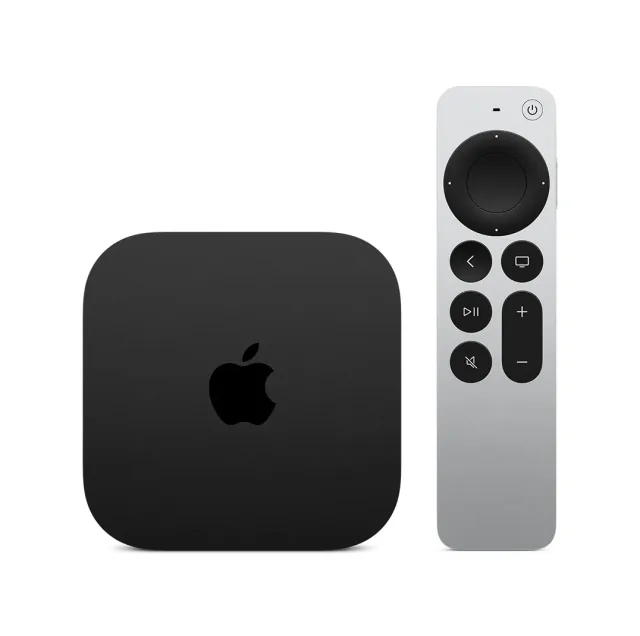
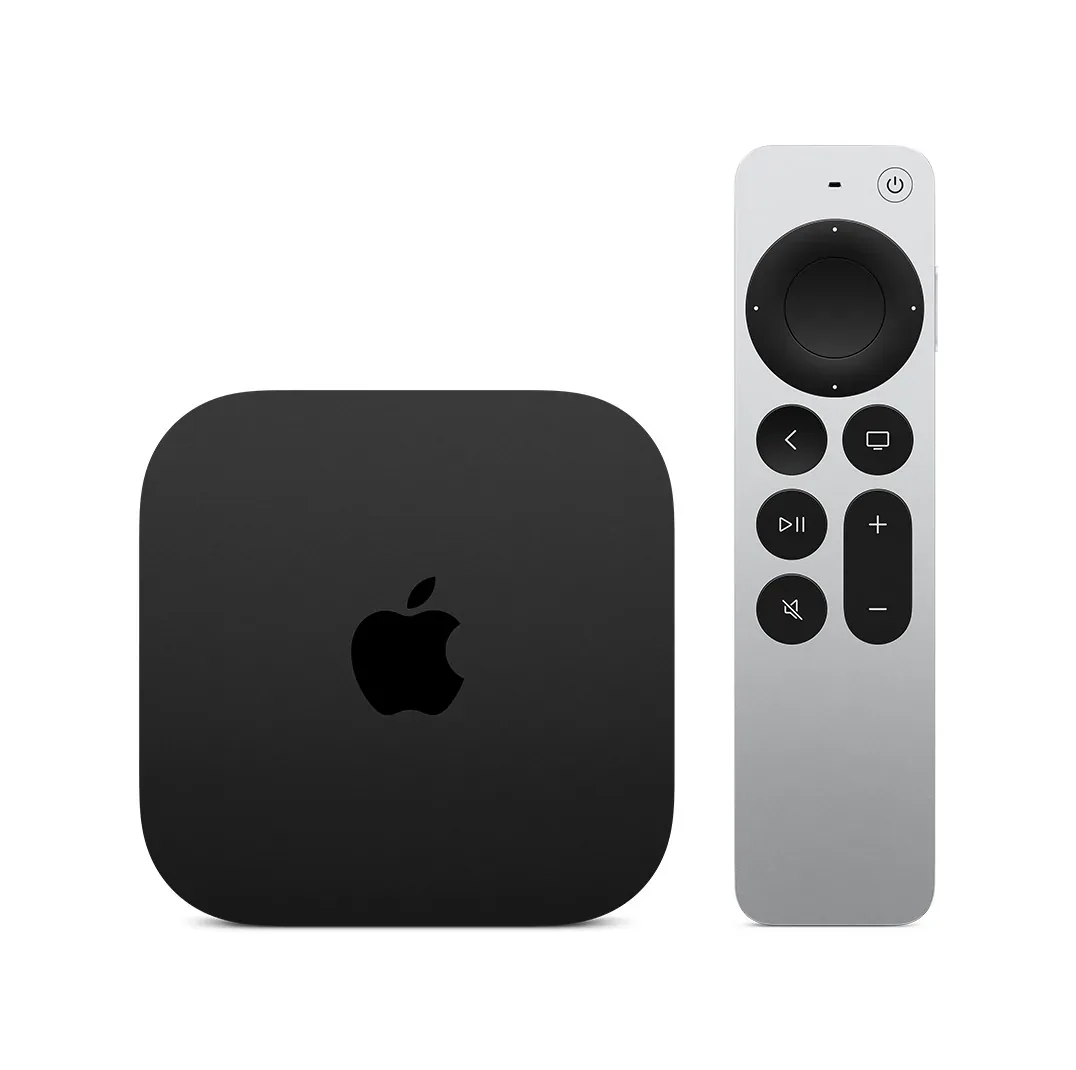
The fourth-generation Apple TV 4K is an Apple home hub and Thread border router. It handles automations, accessory notifications and remote control for Apple Home, and its Thread radio lets Matter-over-Thread locks, sensors and plugs join the home. HomePod mini 2 does that same job for about half the price. The Apple TV earns the difference only when the television needs it as well. If the living room still runs on a TV's built-in apps, an old streaming stick or an Apple TV without Thread, this box replaces the streamer and adds the hub in one purchase. If the TV is fine, the hub is cheaper in a speaker.
Location is the other argument for the speaker. The Apple TV's Thread radio sits wherever the TV sits, and a cabinet at one end of the house is not always the best spot to reach a front-door lock or a garage sensor at the other. A HomePod mini 2 can go on a shelf near the middle of the home. A household that buys the Apple TV for the television can still add a speaker later if a lock at the far end of the house struggles to stay connected.
One model, and every unit has Thread
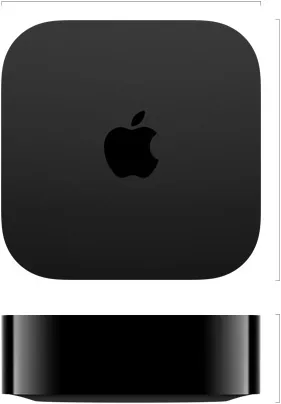
Apple has removed the hub buyer's main trap. The third generation came in two versions that look almost identical, and only the 128 GB Wi-Fi + Ethernet model had Thread. Anyone who saved money on the 64 GB Wi-Fi model got a box that could stream but could not be the Thread hub for a new lock. The fourth generation comes in one 128 GB configuration with Thread, Gigabit Ethernet and Wi-Fi 7, so any new unit can do the job. That trap now lives only in leftover third-generation stock.
Apple takes pre-orders in the US and 29 other countries and regions, including Canada, the UK, Germany, France and Spain, and the box ships on November 13, 2026. Like every earlier Apple TV, it has no published Thread or Matter version, and nothing in the launch announcement ties a Matter feature to the new hardware.
What it adds for Apple Home
Most of the new hardware serves the television: a faster A19 chip for games and menus, a dedicated AV1 decoder and Wi-Fi 7. For the smart home, the change you would notice every day is the three far-field microphones. They pick up "Siri" while a film is playing, so you can dim the lights, change the thermostat or run a movie scene without finding the remote. By voice, Siri on Apple TV cannot operate door locks, garage doors or security systems; those still need an iPhone, iPad or Mac.
Hands-free Siri works only when the primary tvOS language is English, French, German, Dutch, Finnish, Hebrew, Norwegian, Swedish or Mandarin Chinese (Taiwan). Spanish and Italian are missing, so a household in Spain or Italy that keeps the TV in its own language gets the microphones without the hands-free feature and still talks to Siri through the remote.
Apple says a compatible video doorbell puts its alert on the TV, where you can see who is at the door, talk to them and unlock the door without stopping what you are watching. That is useful in a home where the TV is on most evenings, though it depends on owning a doorbell that Apple Home supports.
Gigabit Ethernet keeps the box's own streaming off Wi-Fi. The Thread network runs on its own radio, so the cable does nothing for its range, and it can even get in the way: if a Thread accessory refuses to pair through an Apple TV hub on Ethernet, Apple's troubleshooting advice is to connect the Apple TV to the same Wi-Fi network as your iPhone.
Keep a 2021 or 2022 Apple TV that already has Thread
If you own the 2021 second generation or the 2022 128 GB Wi-Fi + Ethernet model, your box is already a Thread home hub, and the new one adds nothing to your locks, sensors or automations. Siri AI is no reason to switch either: Apple's beta in tvOS 27.2 runs on the second generation and later, in English only, in the US, Canada, the UK and five other countries, and the home's owner needs an Apple Intelligence iPhone or iPad. None of those countries is in the EU, so an EU household cannot use Siri AI on any Apple TV yet.
Upgrade for what the new box adds around the television: the faster chip for games, AV1, Wi-Fi 7, hands-free voice in the living room, or Apple's new four-speaker surround setup, which works only with this Apple TV and four HomePod mini 2 or second-generation HomePod speakers in matching pairs. With four HomePod mini 2 speakers, that system costs about $900 in the US. The new box itself costs about $50, £50 or €50 more than Apple charged for the third-generation 128 GB model in September.
Owners of the 2017 first generation or the 2022 64 GB Wi-Fi model have no Thread hub in the TV cabinet. If the picture also needs an upgrade, the new Apple TV fixes both jobs. If only the hub is missing, HomePod mini 2 is the cheaper fix. Our guide to every Apple TV 4K generation shows how to identify your model and what each one can do.
When to buy something else
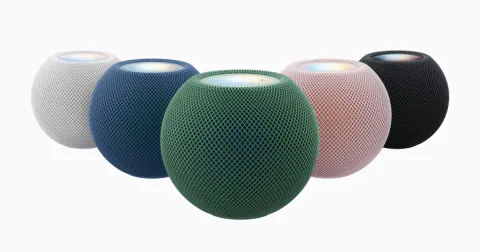
Buy HomePod mini 2 if the house only needs an Apple home hub. It has the same Thread role, it is on sale now, and it can sit where the Thread network needs it.
A leftover third-generation Apple TV 4K is worth it only well below the new model's price, and only the 128 GB Wi-Fi + Ethernet version, which has Thread. Near Apple's old price, the small extra for the fourth generation buys the faster chip, newer Wi-Fi and microphones in the same hub role.
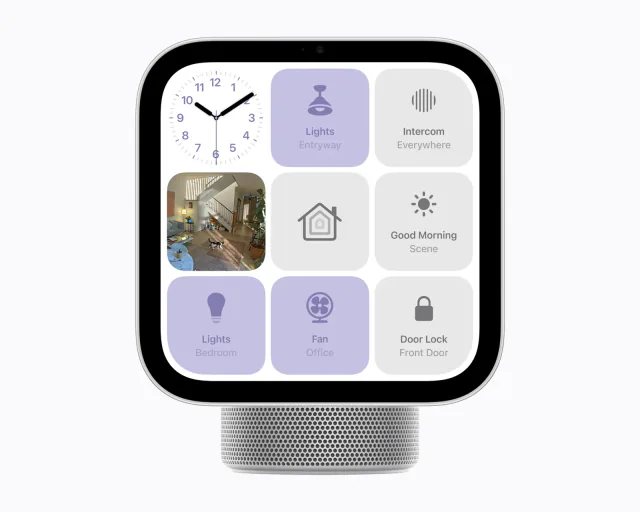
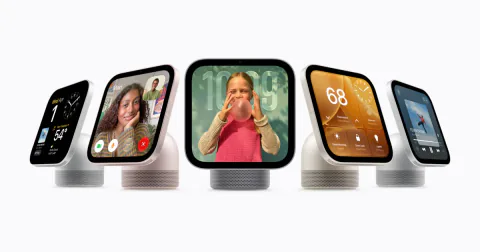
Skip the Apple TV as a hub if nobody in the house uses an iPhone or iPad. Its hub role serves only Apple Home. A Google Home household that wants a streamer with a Thread hub built in should look at the Google TV Streamer instead. Our report on Apple's October launches compares this Apple TV with HomePod mini 2 and HomeView, Apple's new touchscreen hub.
Apple Home and Thread details
- Thread role
- RouterRelays Thread traffic for nearby devices.
We list only values our sources state. Values shown were taken from this review's sources and are awaiting an editor's check.
Keep reading
Spot a mistake or missing context?
Send a quick note so it can be checked against the source material.