The ordinary keypad is the attraction
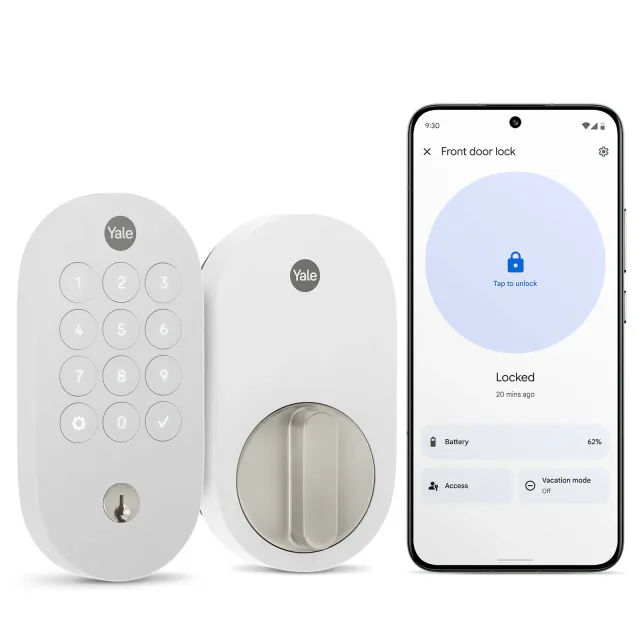
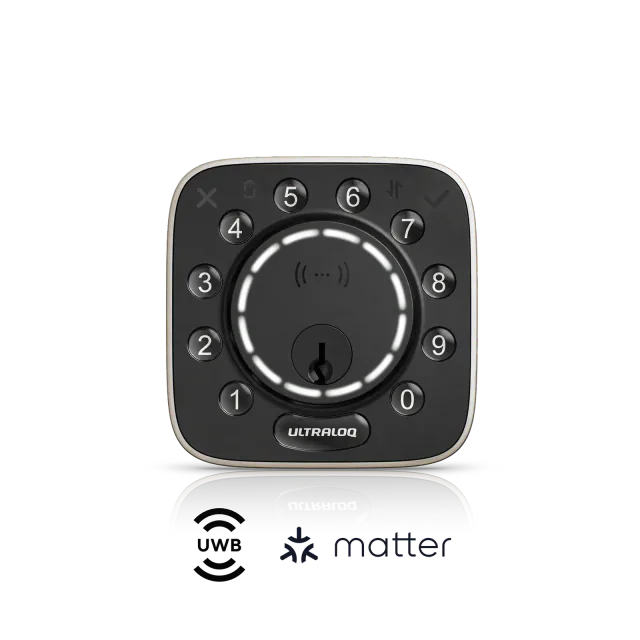
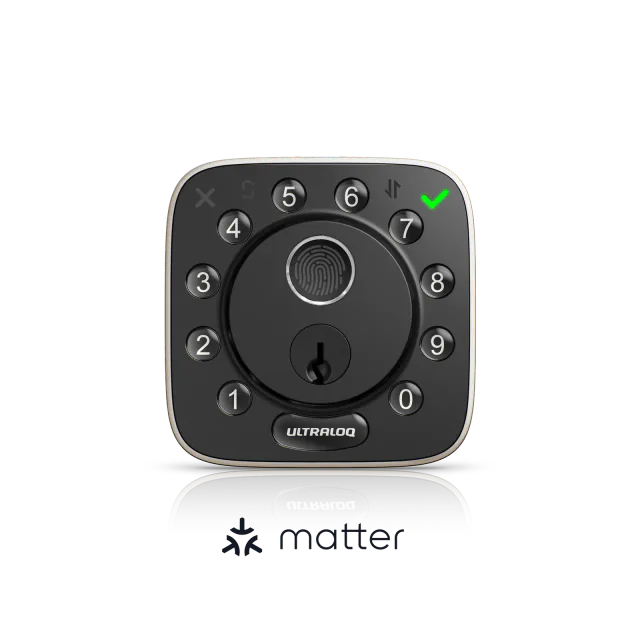
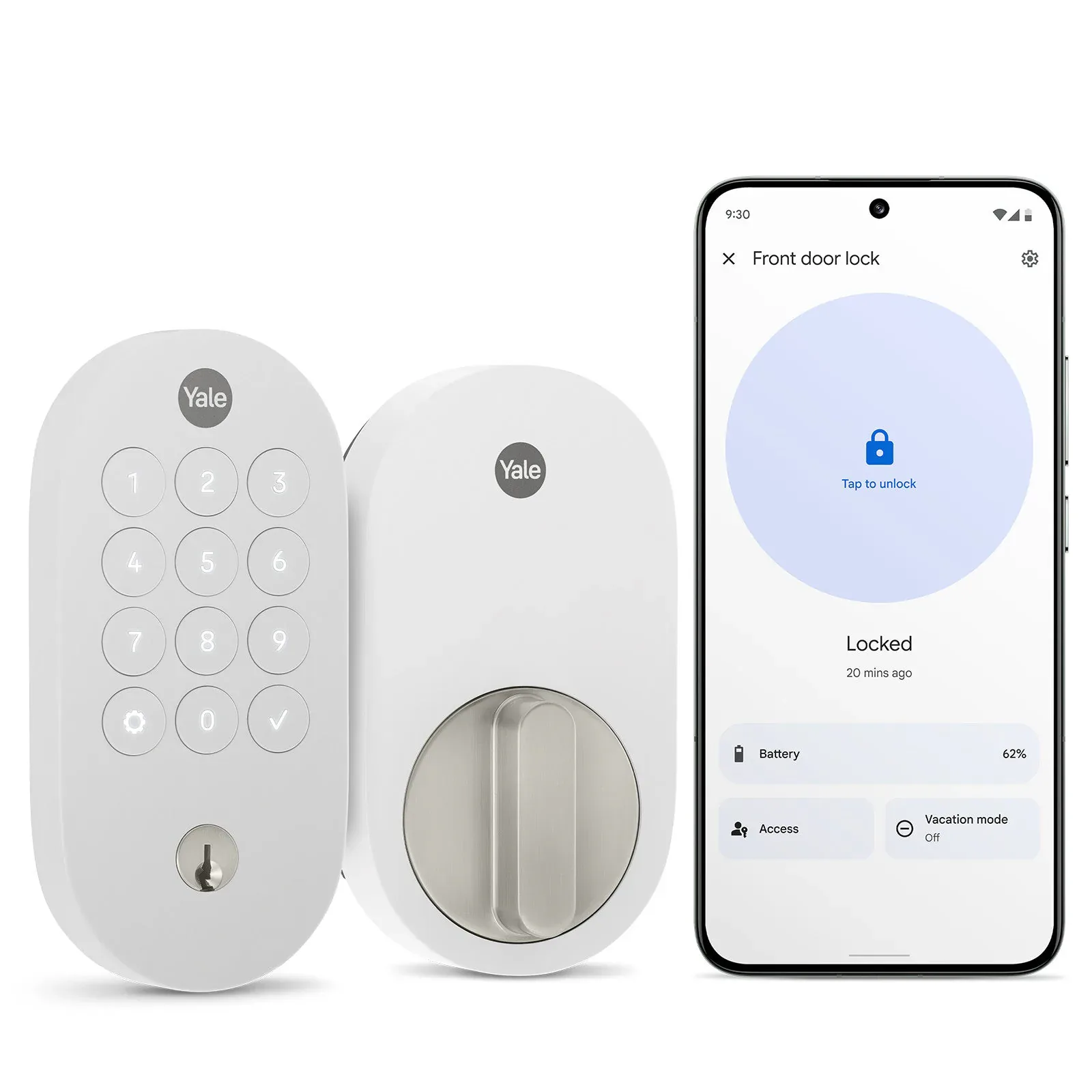
Yale Smart Lock with Matter is appealing because it does not ask everyone to use a phone at the door. Its illuminated individual buttons, check key and conventional key cylinder are easy to recognise. A visitor can use a code without installing an app, and the person inside has a normal thumb turn.
The rounded exterior is a deliberate match for Nest Doorbell styling, with Snow, Ash and Matte Black finishes. That makes sense for a Google Home entryway, although it is still a visible replacement for the old lock. Buyers trying to preserve existing decorative hardware should start with a retrofit instead.
At $189.99, the YRD510-MT1 package covers the everyday keypad job without charging separately for the pad. It does not add fingerprint recognition or Apple home key, so an iPhone or Watch cannot become a tap-to-open key just because Apple Home can control the lock.
Google Home gives the buttons a useful purpose
The benefit of a connected keypad is changing access without handing out more keys. Google Home can create guest profiles, manage passcodes and schedule when a dog walker, cleaner or visitor is allowed in. Remote locking and activity alerts are also part of Yale's documented Google integration, using a suitable Matter controller and Thread border router.
That can make an existing Google setup more useful without introducing a Yale Wi-Fi bridge. If the house does not already have Thread infrastructure, include it in the purchase cost. The lock has no built-in Wi-Fi route that makes a normal wireless router sufficient.
Apple Home and SmartThings also get custom entry codes and guest management in Yale's published feature matrix. Alexa is listed for remote operations and integrations, with a narrower documented set of access tools. If controlling visitors' codes entirely in Alexa is the main requirement, this is a weak purchase on the available documentation.
The recent app update matters
Yale's August 4, 2026 update makes its Access app useful alongside a Matter connection. Settings and activity remain in Yale Access, while codes and guest access are managed in the connected Matter controller apps. Without a Matter connection, those access tasks can instead stay in Yale Access over Bluetooth.
That is a meaningful change from the older either/or setup guidance. It gives owners somewhere to manage the lock itself and see its ecosystem connections without implying that every function appears in every app. It also means a household should decide where it wants to maintain guest codes instead of assuming Yale Access stays the code manager after Matter is enabled.
We have not tested the updated app, keypad feel, response time or multi-platform operation. These are documented capabilities, not an account of living with the lock.
DoorSense adds more than a locked icon
The box includes DoorSense hardware, which lets a supporting app distinguish an open door from a closed one. A bolt can be extended while the door is open, so this is more useful than relying on motor position alone.
Google Home is the clear documented DoorSense destination for this model. Surface mounting leaves a small piece on the frame, while the less visible flush option requires drilling. The sensor also needs calibration in a supported app. With supported DoorSense-aware Auto-Lock, the manual says the lock waits for the door to close before locking.
The physical fitting range is useful for older US doors: Yale supports both 1½- and 2⅛-inch face bores, 1⅜–2¼-inch door thickness and the usual 2⅜- or 2¾-inch backsets. There must also be enough space above the handle. A mortise or multipoint door is a different hardware job.
Spend more only for an entry method you will use
On September 10, 2026, Yale's US store listed all three finishes in stock at $189.99. The order exceeds the store's $50 free-ground-shipping threshold. Four AA alkaline batteries and one physical key are included. Yale's up-to-12-month battery figure is an estimate; replacing batteries and maintaining a freely moving bolt are still part of ownership.
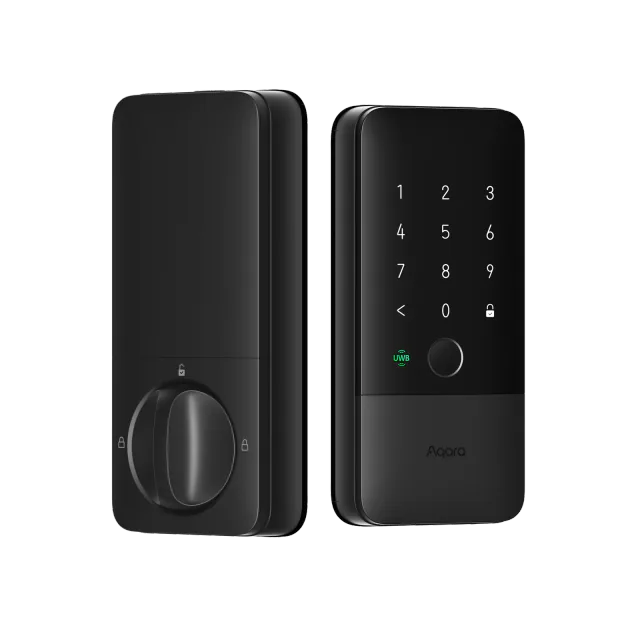
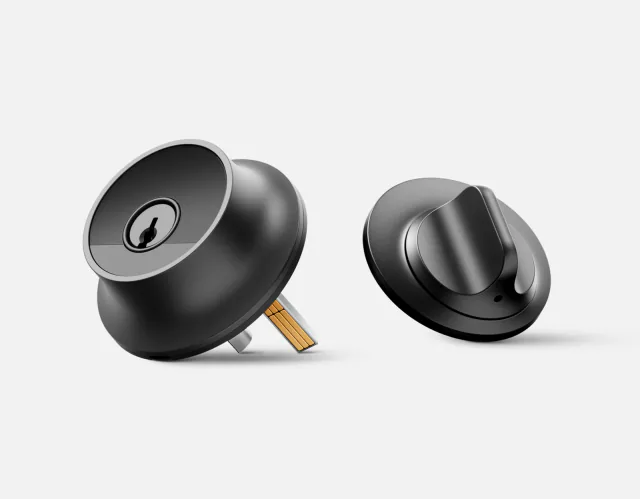
Aqara U400 was $269.99, an $80 step up for fingerprints, Apple home key and supported hands-free entry. That premium is worthwhile when someone will use those methods daily. Level Lock Pro was $349 and keeps the appearance closer to an ordinary deadbolt, but its numeric keypad costs extra.
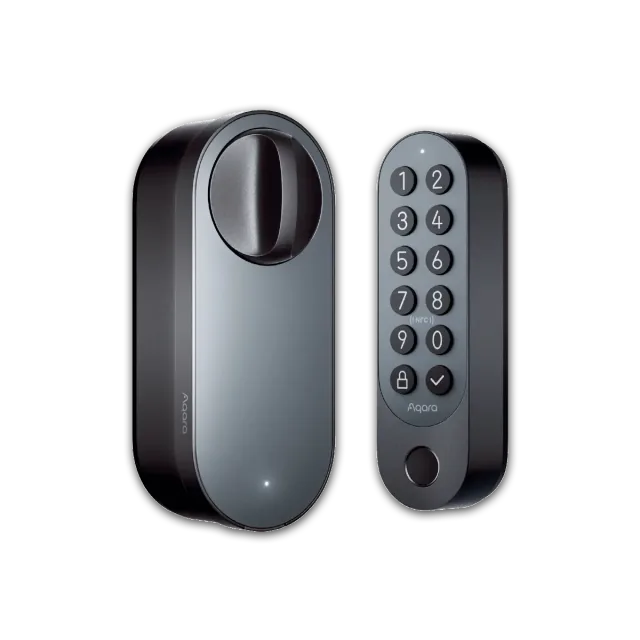
For an existing cylinder worth keeping, Aqara U200 was $169.99 with a separate fingerprint keypad and a visible interior motor. Yale is the better fit when replacing the deadbolt is acceptable and physical codes in Google Home are the desired routine. Keep a working keypad lock if it already makes household and guest access straightforward; the Matter label alone is not much of an upgrade.
Keep reading
Spot a mistake or missing context?
Send a quick note so it can be checked against the source material.