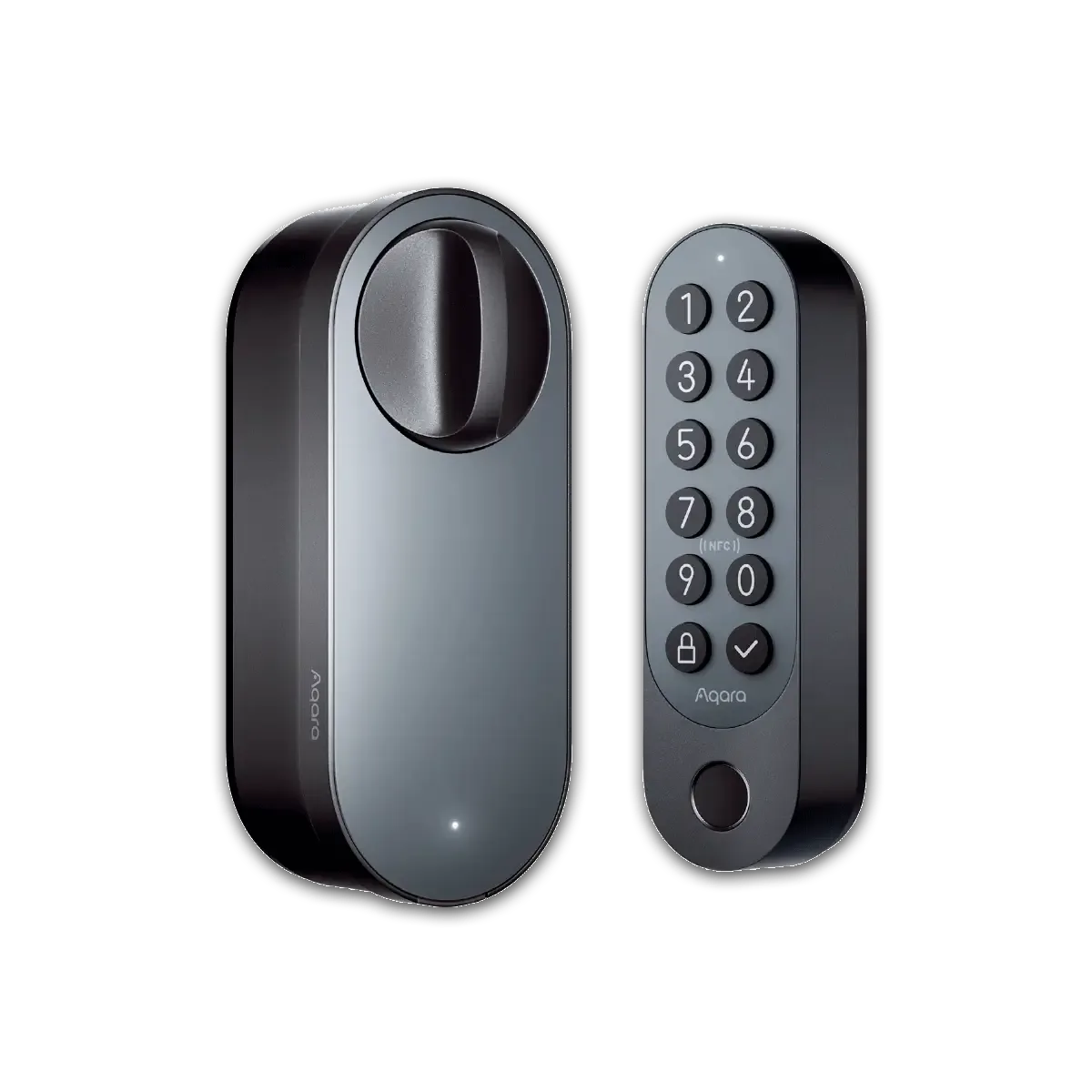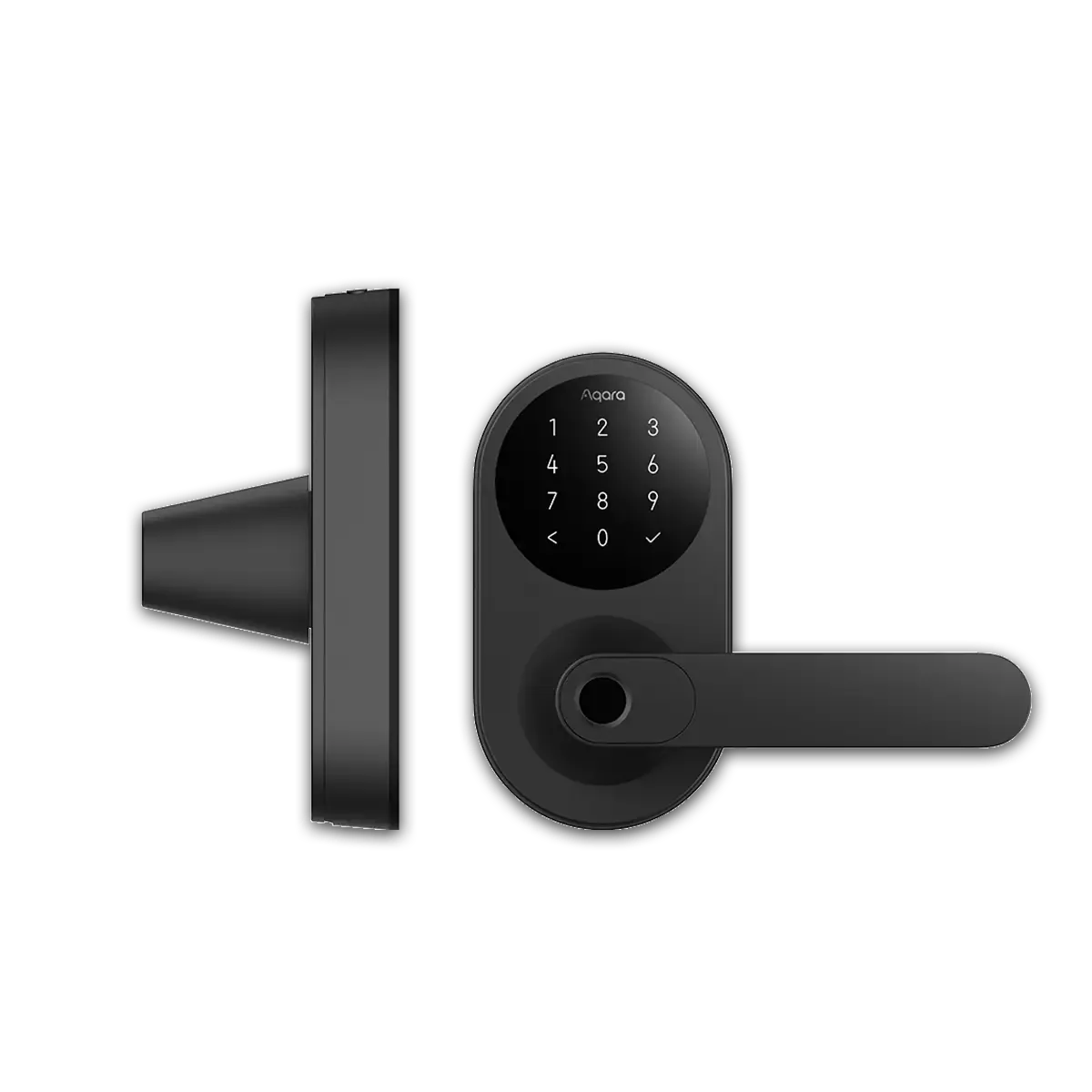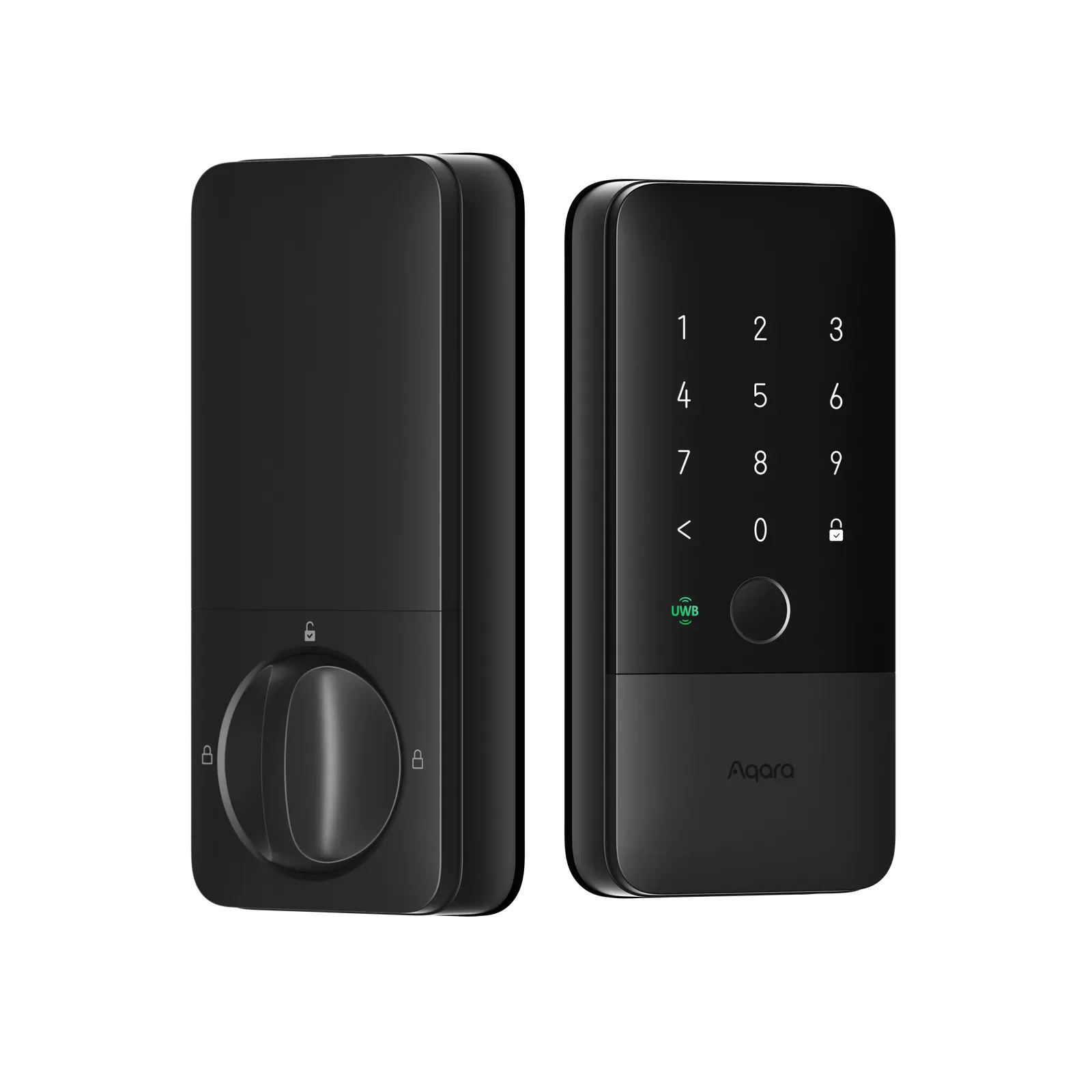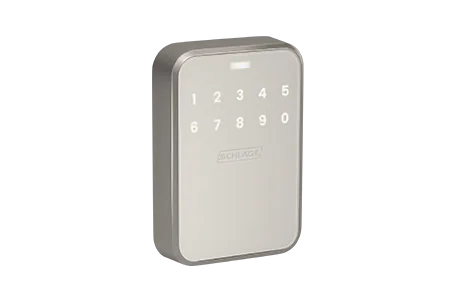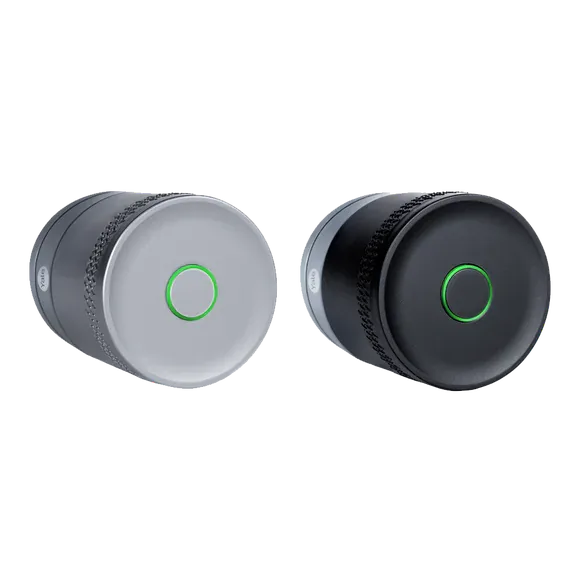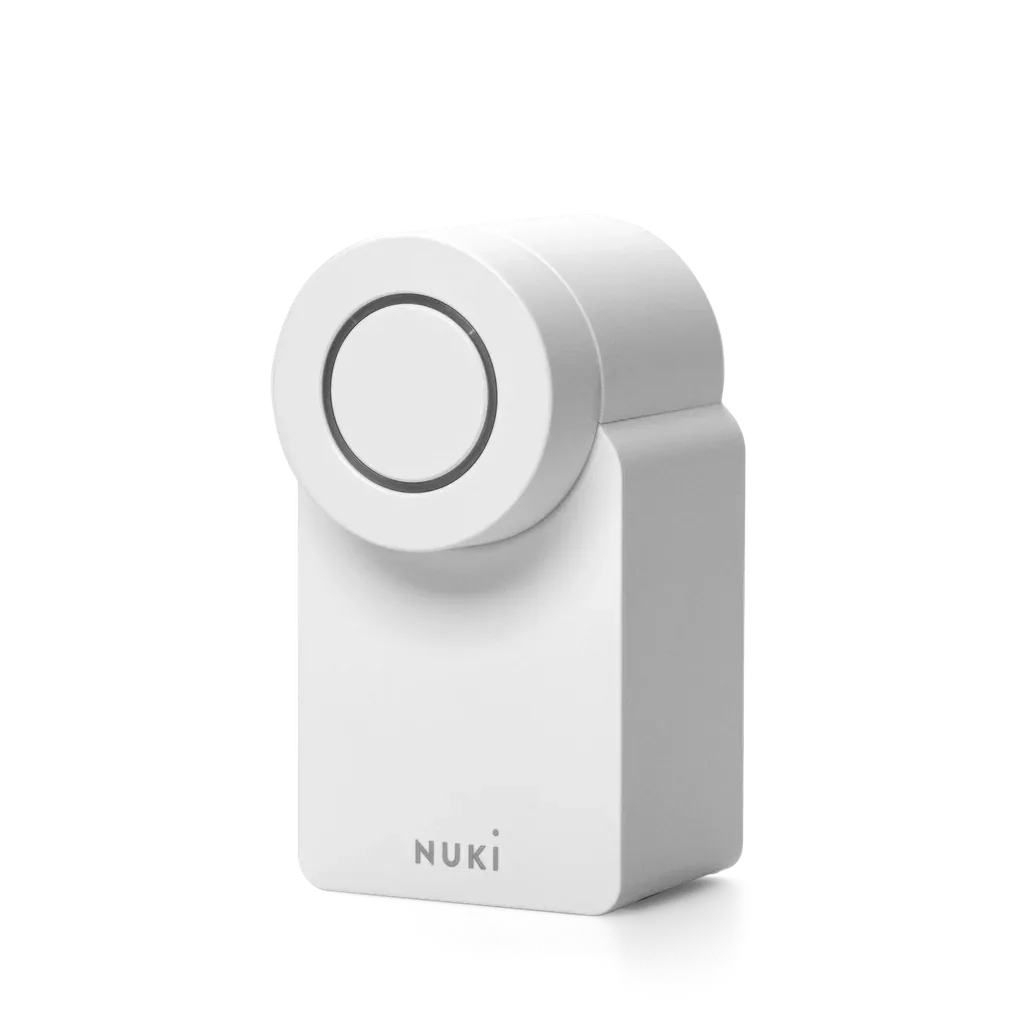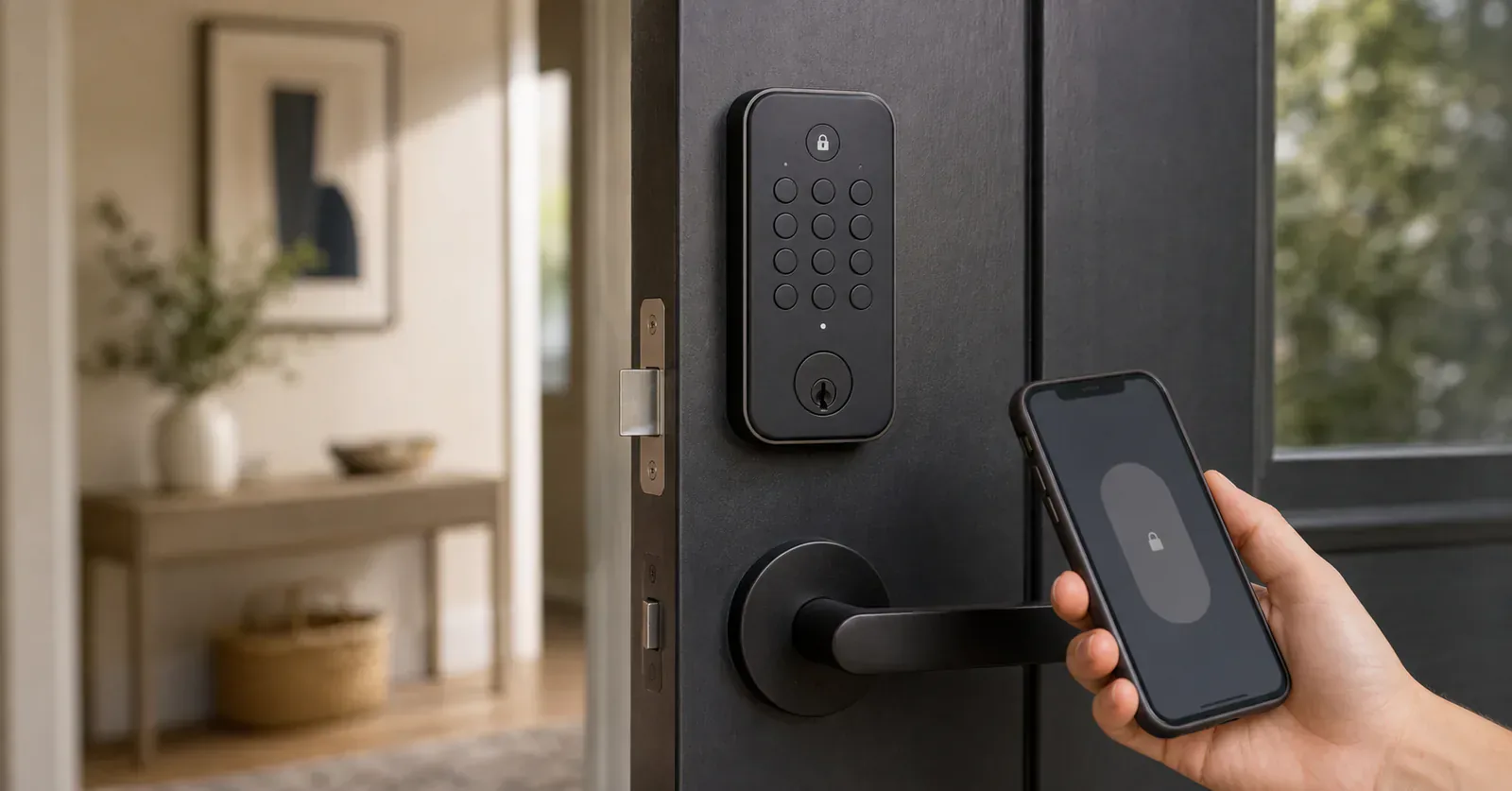
Direct Matter locks no longer mean choosing between three Aqara models. Schlage Sense Pro now adds a premium North American deadbolt, Yale Linus L2 Lite covers a specific UK and European retrofit path, and Nuki Smart Lock Go is a lower-cost European retrofit option. Aqara still provides useful choices for retrofit, lever, and full deadbolt installations.
"Without a brand hub" has a narrow meaning here. These locks can use Matter over Thread for ecosystem control without making an Aqara, Yale, Nuki, or Schlage hub mandatory. They still need a compatible Matter controller, a Thread border router for normal remote and automation use, and a door that fits. Expect the manufacturer app to handle some combination of installation, calibration, firmware, codes, logs, or advanced access, but the exact dependency differs by lock.
Matterhome has not tested every lock in this group. Treat the cards as compatibility options to narrow by market and hardware, not as a ranking of physical security.
The door eliminates most choices before Matter enters the decision
Aqara U200 is an inside retrofit sold for North America, Europe, and the United Kingdom, subject to existing lock compatibility. Aqara U300 is a North American lever lock for a garage entry, office, utility door, or another opening prepared for lever hardware. Aqara U400 and Schlage Sense Pro are full North American deadbolt replacements.
Yale Linus L2 Lite is not a general answer for every UK door. Yale says it needs a compatible lift-to-lock door, at least 3 mm of cylinder protrusion on the inside, and no split spindle or auto-engage multipoint mechanism. Nuki Smart Lock Go is another European and UK retrofit path, with Nuki's own compatibility check deciding the cylinder and installation.
Check deadbolt or cylinder type, backset, handing, door thickness, bore and latch dimensions, handle clearance, weather exposure, alignment, and physical-key access. A clean app pairing cannot compensate for a motor fighting the wrong hardware.
Thread is still the home infrastructure
Apple now lets an iPhone on iOS 18 or later add and locally control Matter accessories without a home hub, and supported Thread-enabled iPhones have a limited local Thread path. Apple still says Thread automations, notifications, and remote control need a Thread-enabled home hub or compatible border router. Google, Alexa, SmartThings, and Home Assistant likewise need controller hardware that supports the lock's Matter-over-Thread path.
Exterior doors are difficult radio locations because of metal frames, masonry, and distance from the center of the home. Test Thread coverage at the closed door before removing backup entry methods. A documented powered Thread router inside the entry can help, but a Wi-Fi plug or bridge cannot. If the lock becomes intermittent, the Thread diagnostics beta may reveal a weak link or multiple meshes before another reset.
North American full replacements split by access method
Schlage Sense Pro is available from $399 and combines Matter over Thread with built-in Wi-Fi for Schlage app management. Its strongest current path is Apple: home keys and hands-free UWB unlocking require compatible Apple devices and Thread-enabled home infrastructure. Schlage says Android wallet support depends on later Aliro certification and rollout, so do not pay for that future feature yet. The Sense Pro launch guide has the current Apple hardware checks.
Aqara U400 is the other premium full deadbolt in this group. Aqara advertises UWB approach unlock for compatible Apple hardware, Apple home key, Samsung Wallet Digital Home Key through SmartThings, fingerprint, keypad, NFC, and a physical key. Those are not all Matter features. Confirm the exact phone, wallet, controller, Aqara app path, and regional lock version for the access method you intend to use.
Choose U300 only when a lever is the correct door hardware. Choose U200 when keeping the outside lock unchanged matters more than replacing the complete deadbolt.
European retrofit pricing hides hardware and app tradeoffs
Yale Linus L2 Lite earns attention because the lock body is less expensive than many premium Matter models. The lower price leaves out built-in Wi-Fi, DoorSense, a rechargeable battery, and Apple Home Key. Yale says the optional Connect Wi-Fi Bridge is needed for full remote Yale Home app access and for third-party devices that do not support Matter over Thread. Matter control itself does not require that bridge. Read the Linus L2 Lite door and feature limits before treating it as a bargain.
Nuki Smart Lock Go uses the same direct Matter-over-Thread idea at the entry end of Nuki's current range. The Nuki app handles installation and calibration. A Matter hub can provide remote lock and unlock through the chosen ecosystem, while full remote Nuki app management for settings, permissions, and activity requires Nuki's separate one-time Remote Access purchase. Keypads and the door sensor are separate accessories. Compare the complete access routine instead of the lock-body price alone.
Matter carries the core lock state, not the whole access system
Lock, unlock, and state are the shared Matter expectations. Access codes, users, logs, schedules, door-open sensing, auto-unlock, biometric enrollment, wallet keys, and detailed notifications vary by lock and platform. Google's current Matter documentation also says remote and voice unlock are disabled for Matter locks that do not mandate a PIN.
Expect to keep the manufacturer app for updates and lock-specific management, but check which jobs actually require it on the exact model. Before daily use, test every household member, physical-key fallback, low-battery warning, locked and unlocked state, door alignment, remote access, and voice safeguards. Do not make an automation the only way someone can enter or secure the home.
The Matter logo is also separate from CSA Product Security certification and from mechanical lock ratings. Check the exact product's physical certification, update policy, privacy and account model, and any Product Security assurance claim rather than borrowing a brand-wide security statement.
Skip a direct Matter lock if the fit check is uncertain, Thread is weak at the door, the household needs identical code management in every app, or the advertised unlock method is still waiting on certification. The right lock is the one that fits the door, preserves a safe fallback, and supports the access method available now.
Content feedback
Spot a mistake or missing context?
Send a quick note so it can be checked against the source material.