The eero to buy for a new mesh
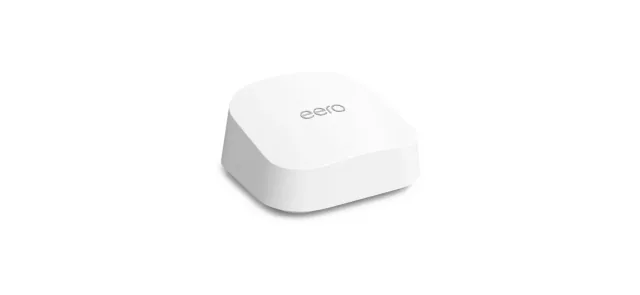
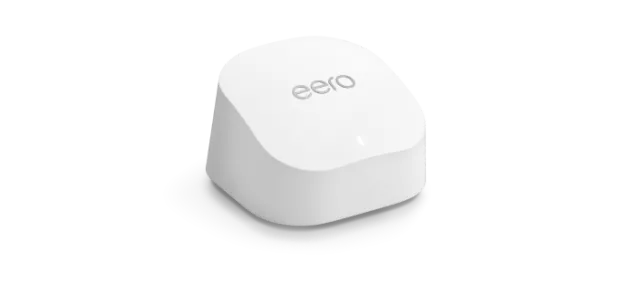
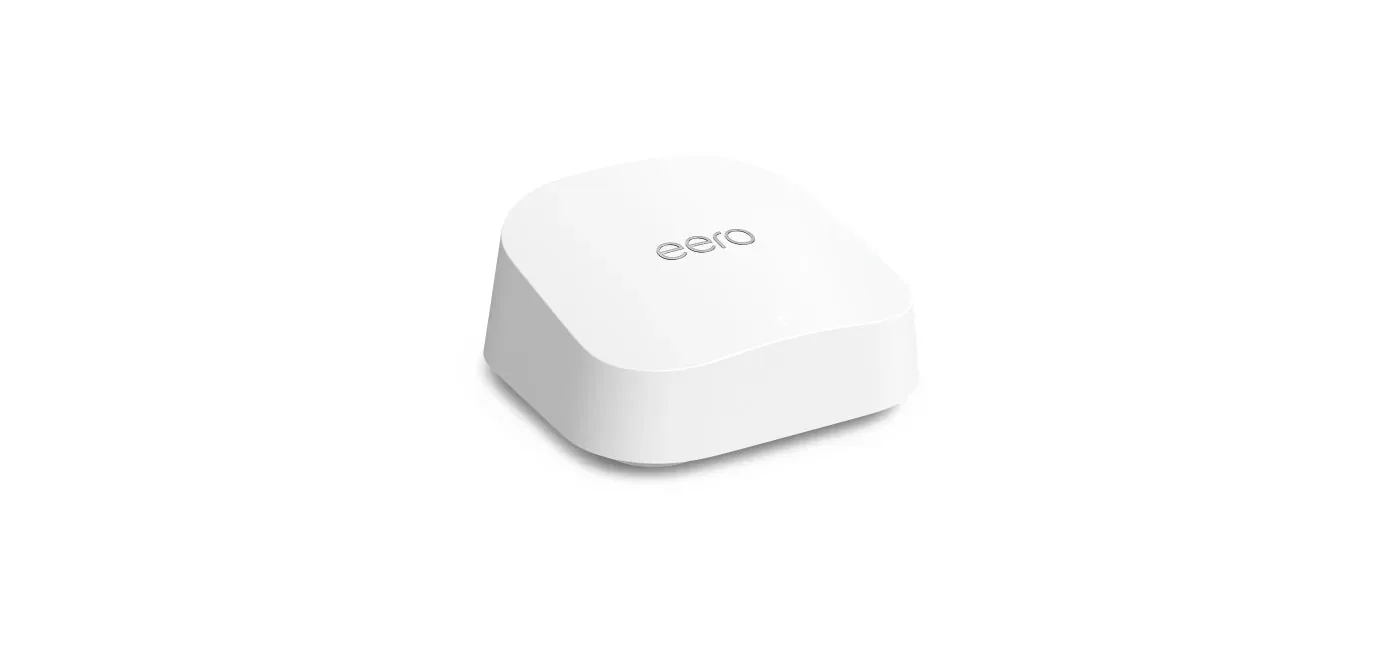
eero 7 is the sensible eero for most homes buying a new mesh. Its biggest advantage is the ports. Each router has two auto-sensing 2.5 GbE ports, so an internet plan faster than a gigabit can reach the router, and a wired link between two units is no longer capped at 1 Gbps. eero rates it for internet plans up to 2.5 Gbps and up to 2,000 sq. ft. of coverage per router.
The comparison that matters is eero 6+ at full price. At eero's US store, eero 7 costs about $30 more for one router, about $45 more for a pair and about $100 more for three. At every pack size, that premium also buys Wi-Fi 7 and a three-year warranty in place of eero 6+'s one year. Where a larger home needs three routers on a gigabit plan that would not use the faster ports, eero 6+ saves about $100.
Retail sales can erase that gap: at our latest check, a Target sale put every eero 7 pack below eero 6+'s full price, so compare both on the day you buy. Amazon raised the eero 7 three-pack's list price by $50 in August 2026. In Canada, eero lists the single at about CAD 60 more than eero 6+ and sells both through Amazon.ca.
Wi-Fi 7, without the 6 GHz band
eero 7 is dual-band. It uses 2.4 and 5 GHz and has no 6 GHz radio. It brings Wi-Fi 7 features such as multi-link operation to those two bands for phones and laptops that support them, and eero rates its top wireless speed at 1.8 Gbps, against 940 Mbps for eero 6+. Those are best-case radio figures, so a laptop two rooms away will see less.
The missing band is the compromise. Nest Wifi Pro has it, which gives newer phones and laptops a less crowded channel in a dense apartment building. Otherwise eero 7 is the stronger buy: a single Nest Wifi Pro costs about $30 more, its two ports are gigabit, and Google's minimum security-update commitment runs only through October 2027, against at least the end of 2031 for eero 7. eero's own answer is eero Pro 7, which adds 6 GHz and 5 GbE ports for about $300 per router. For a house where the main complaint is a gigabit ceiling or a weak signal upstairs, eero 7 is the better value.
The same smart-home hub as eero 6+
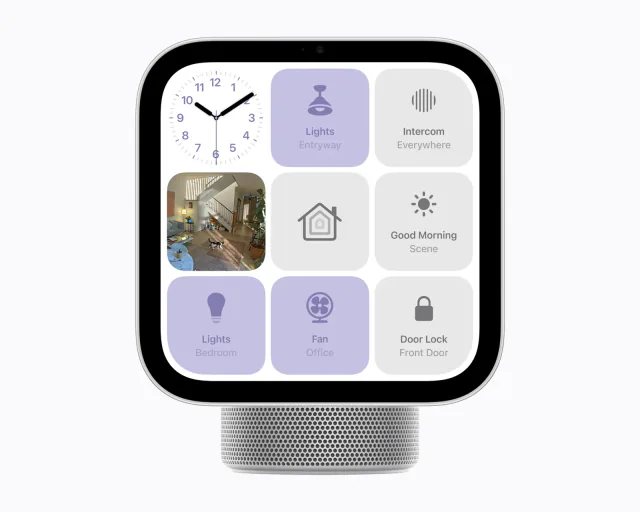
For Matter buyers, eero 7 changes nothing compared with eero 6+. Each eero 7 is a Thread 1.3 border router, so every router in a mesh extends Thread, and each also has a Zigbee radio for Alexa and works as an Alexa Matter controller. You add Matter accessories in the Alexa app. Apple Home, Google Home and SmartThings cannot use the router as their controller, and it is not a Matter accessory you can add to them.
eero 7 also shares eero 6+'s biggest limit. Its bridge mode, which you would use to keep your provider's router or another router in charge of the network, turns Thread off. If you are not ready to let eero run the network, do not count on it as your Thread border router.
If Thread is the only thing your Alexa home is missing, a router upgrade is an expensive way to get it. The 6th-generation Echo Dot has the same Alexa hub roles for about $100 and leaves a working network alone.
Who should skip it
An existing eero 6 or 6+ mesh on a gigabit plan has little reason to upgrade. eero 7 can join it, but the faster ports only pay off once the internet plan or the wired network goes past a gigabit. A Google Home household gets more from a Google hub than from eero's Alexa controller, even if eero 7 runs the Wi-Fi.
This review covers the US and Canada. eero sells eero 7 in the UK through Amazon, but its UK pages do not mention the Thread, Zigbee or Matter features, so UK buyers should not count on the smart-home hub until eero documents it there.
Apple Home and Thread details
- Thread role
- RouterRelays Thread traffic for nearby devices.
- Thread version
- 1.3
We list only values our sources state. Values shown were taken from this review's sources and are awaiting an editor's check.
Keep reading
Spot a mistake or missing context?
Send a quick note so it can be checked against the source material.