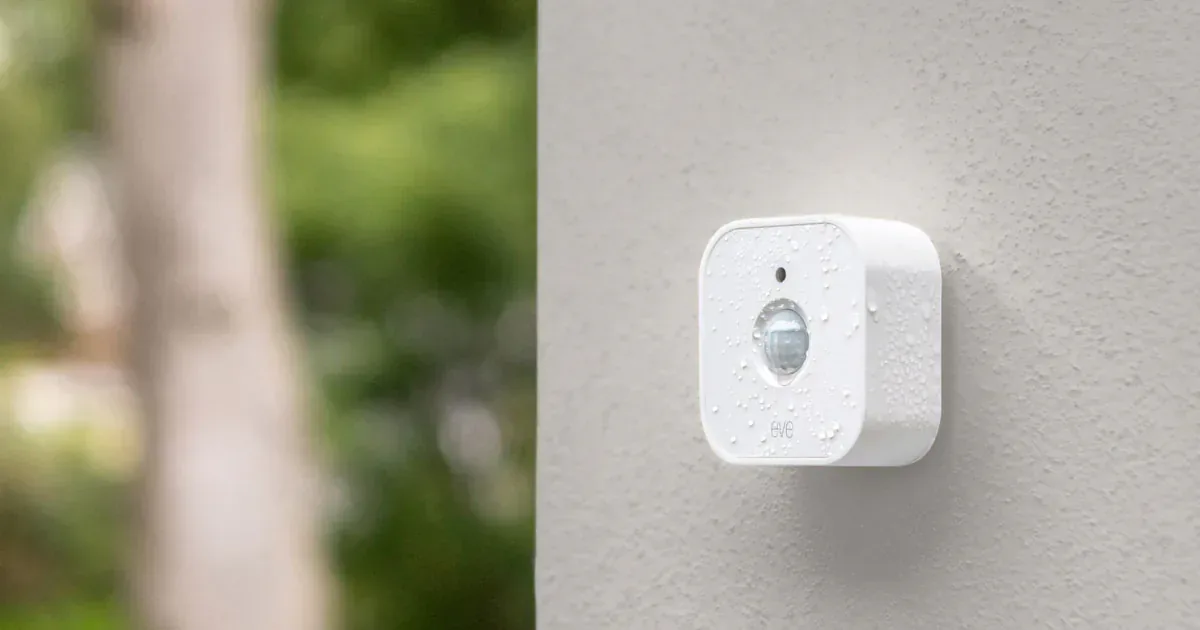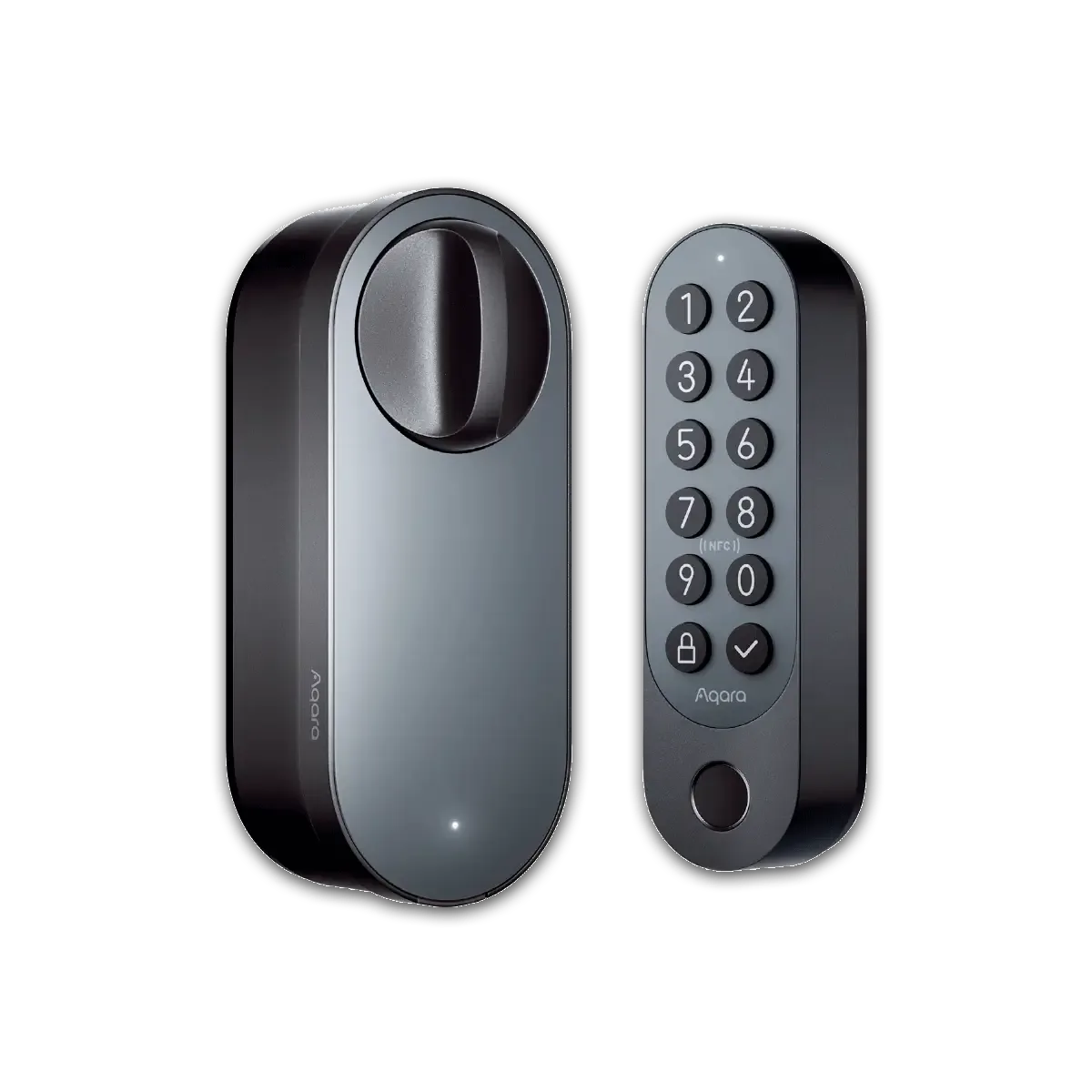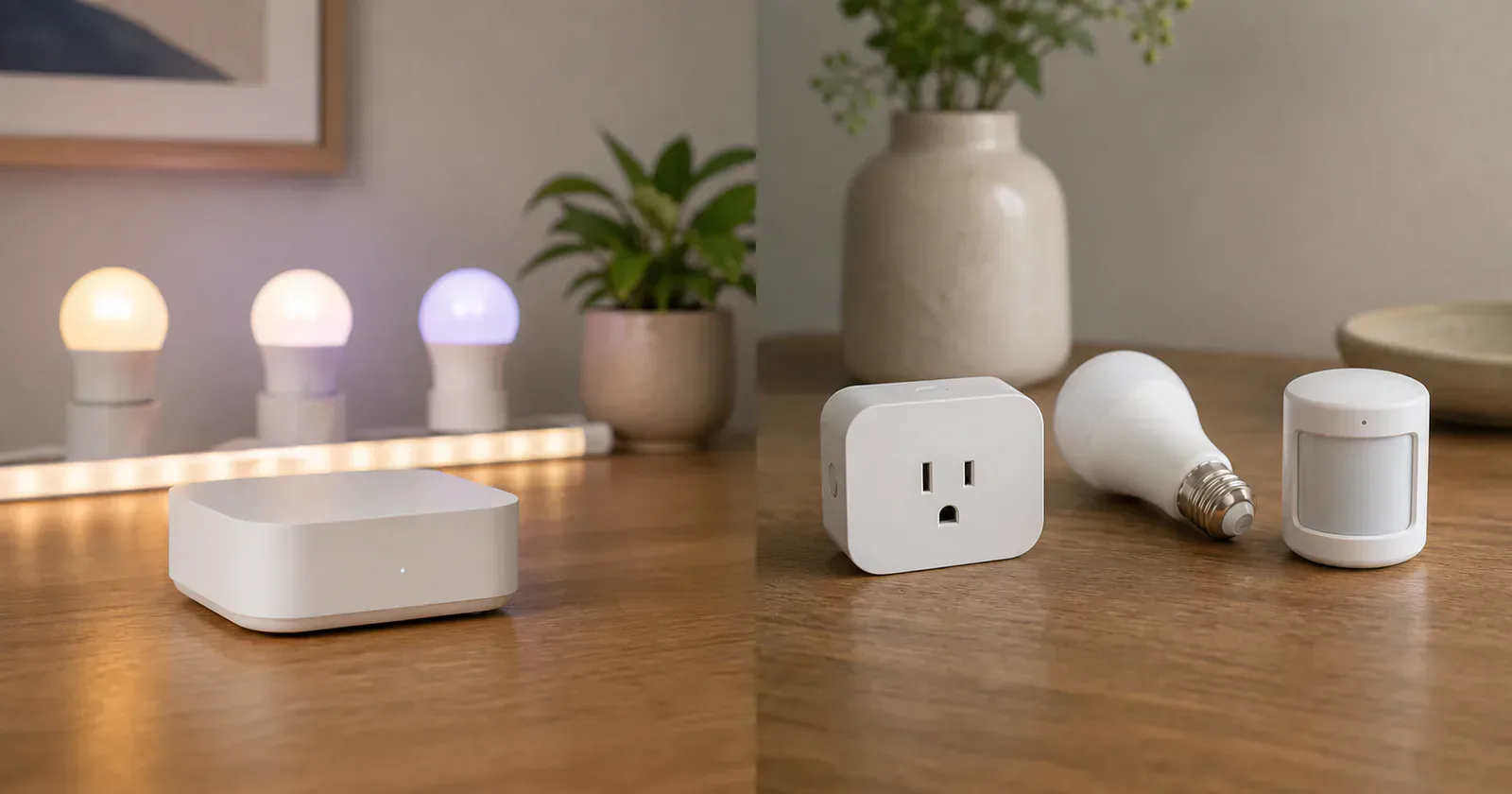
A Matter bridge and a native Matter device can both put useful controls into Apple Home, Google Home, Alexa, SmartThings, Home Assistant, or another Matter controller. Choose between them by deciding whether you are buying one accessory or a whole brand system.
A native device joins the Matter home directly over Thread, Wi-Fi, or Ethernet. A Matter bridge joins the controller and represents supported devices behind it, often Zigbee products. The bridge path usually preserves a mature system. The native path usually keeps a small new setup simpler.
Choose a bridge when you already like the brand system
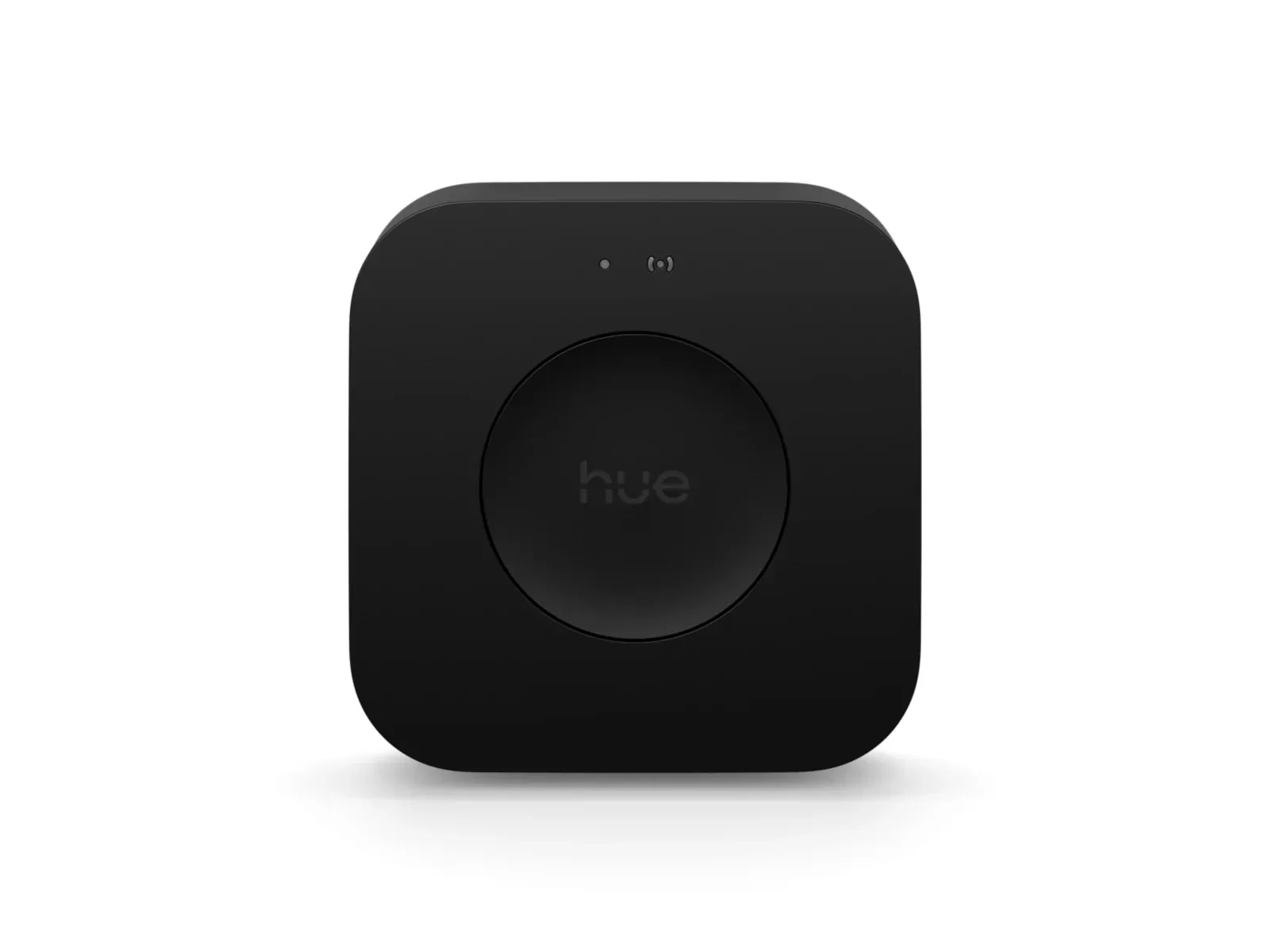
Philips Hue is the clearest example. If you already have Hue bulbs, accessories, rooms, scenes, and app habits, the Hue Bridge is the part that keeps Hue working like Hue while exposing common controls through Matter.
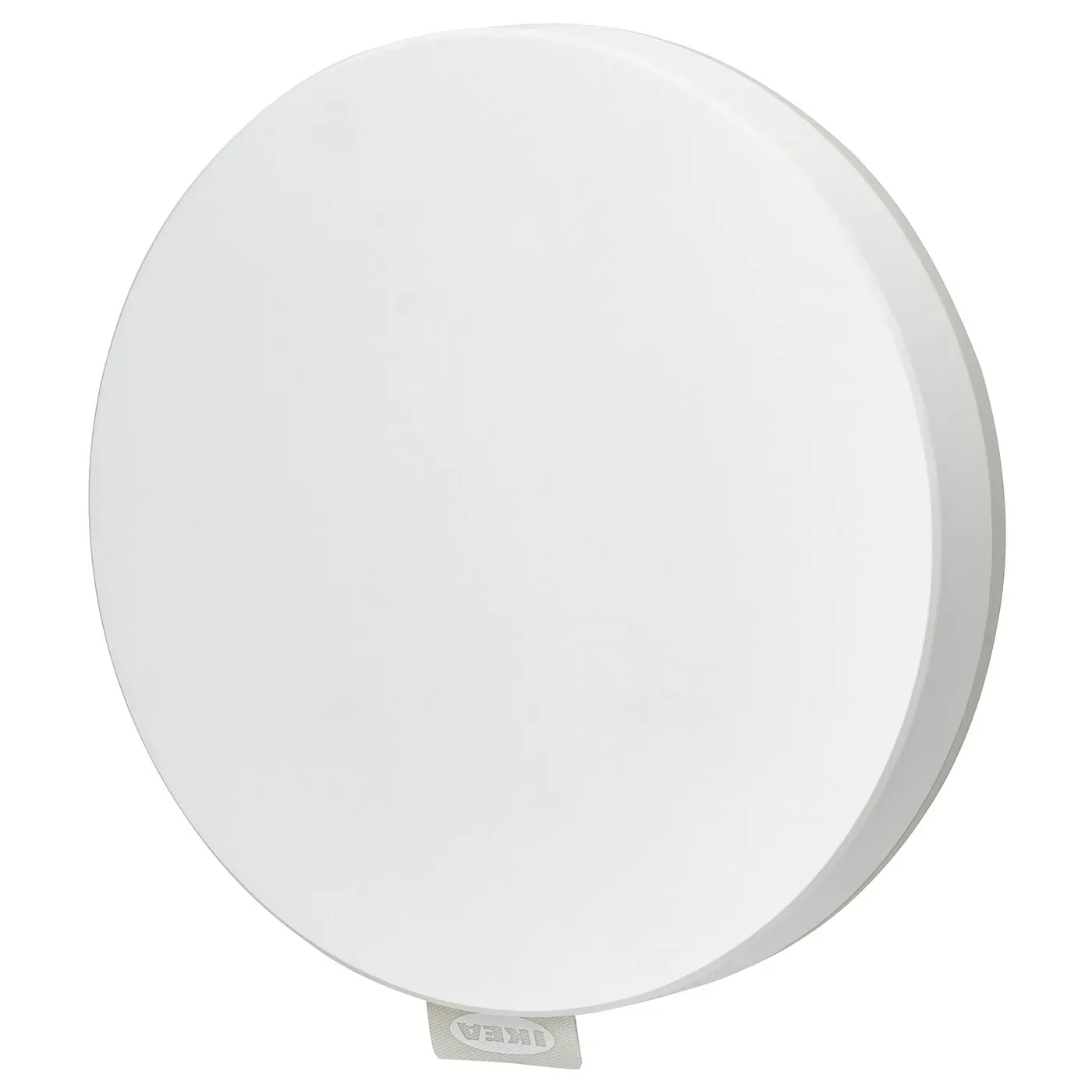
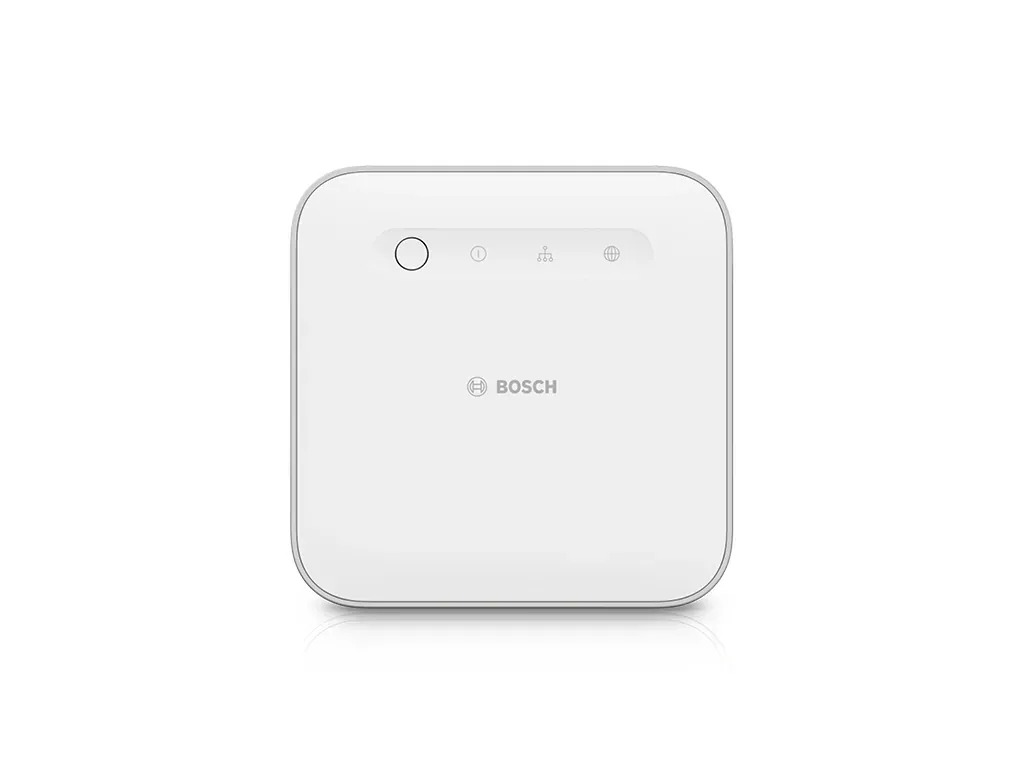
The same logic applies to IKEA and Bosch. DIRIGERA makes sense when IKEA lights, remotes, sensors, and firmware belong together. Bosch Smart Home Controller II makes sense when Bosch heating, alarm, sensors, and automations matter more than direct pairing every accessory into another app.
The tradeoff is dependency. If the bridge is offline or its firmware update fails, the devices behind it can disappear from every Matter ecosystem at once. Treat bridge updates like router or controller updates: check current vendor guidance, schedule downtime, and avoid changing the bridge, app, and Matter links at the same time. Our Hue Bridge Pro update report explains why that recovery path deserves attention.
Choose native Matter when the device can stand alone
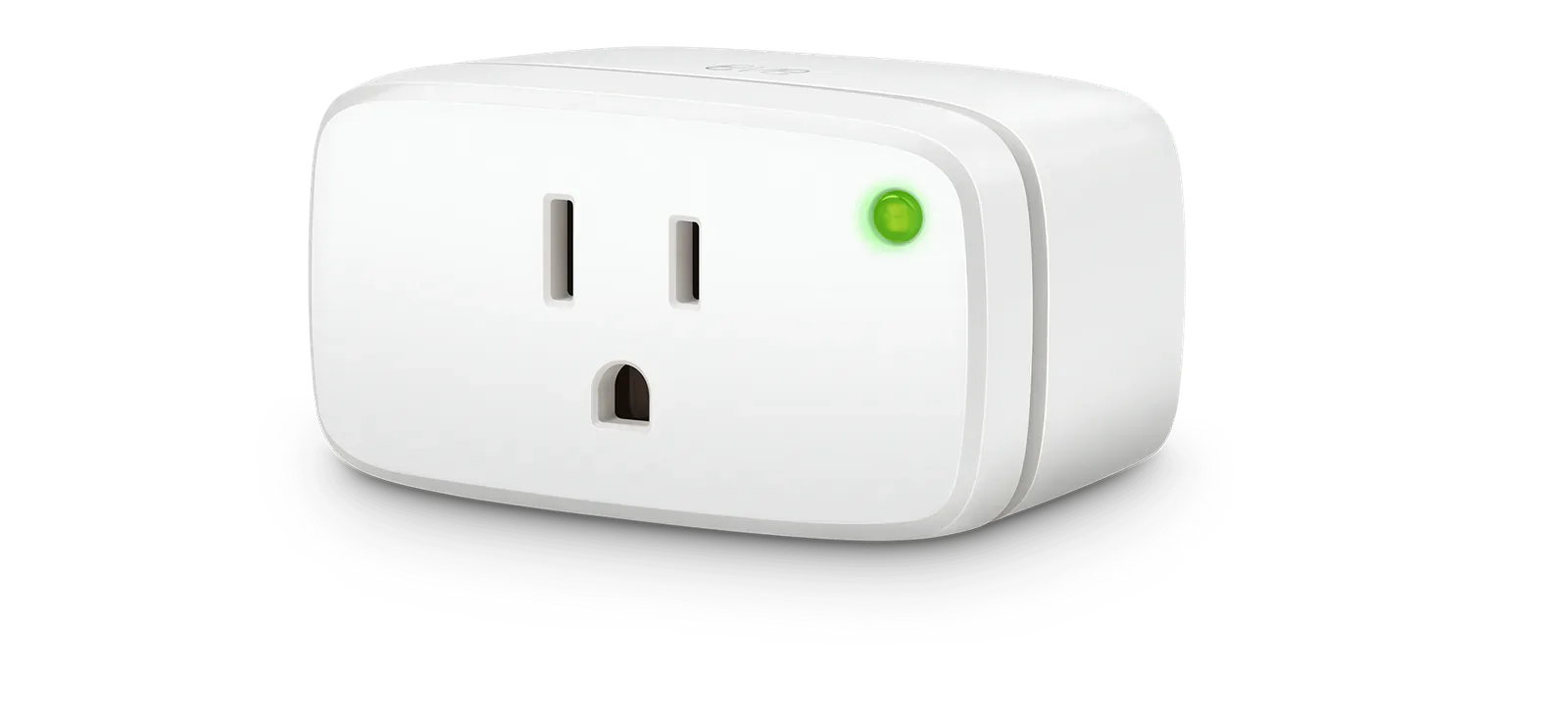
Native Matter is cleaner when the accessory does not need a brand system to make sense. A plug, contact sensor, motion sensor, bulb, lock, or switch can often pair directly into the ecosystem you already use.
The native path reduces brand-system sprawl. You do not need a bridge just to turn on one plug or read one contact sensor. You still need the right Matter controller, and a normal Matter-over-Thread home still needs a border router.
The bridge keeps features, but not everywhere
The strongest reason to keep a bridge is feature depth. Hue scenes, entertainment features, firmware updates, accessory behavior, and app-specific controls remain better in Hue than through Matter. Home Assistant makes the same general warning in its Matter documentation: a native integration can expose more detail than the Matter path.
Check the receiving ecosystem too. A bridge can expose a valid Matter endpoint that one controller handles well and another presents only partially. The Matter platform-version gap is why the bridge firmware, controller support page, and device category all belong in the purchase check.
The native path reduces dependency, but not setup work
Native Matter avoids a brand bridge, but it does not make setup infrastructure disappear. A Thread lock still needs Thread for normal always-on use. A Wi-Fi light still needs good local networking. The manufacturer app may still handle firmware, calibration, recovery, and special settings.
Native Matter is best when common controls are enough: on, off, brightness, color, lock state, contact state, motion, temperature, humidity, or basic thermostat control. If the product is valuable because of scenes, effects, history, credentials, or device-specific settings, expect the manufacturer app to stay relevant.
Hue's planned dual-radio path is not ready to assume
Do not add the same physical device through a bridge and directly through native Matter unless the manufacturer provides that workflow. Unsupported duplicate paths create confusing rooms, automations, notifications, and names.
The Verge reported that Philips Hue is planning a 2026 firmware path for selected newer bulbs that can keep Zigbee and Thread active at the same time. That could let a compatible bulb remain part of the Bridge system while also using direct Matter over Thread. The exact models, firmware, setup sequence, and ecosystem behavior will decide whether this becomes a supported setup. Read our Hue Zigbee and Thread update before changing a working room.
Until that firmware is available for the exact bulb, keep the current choice explicit. With IKEA, decide whether DIRIGERA owns the room or whether its direct Matter-over-Thread accessories should join the household's existing Matter controller.
New Matter sharing does not remove the bridge decision
Matter 1.6 defines Joint Fabric so several authorized controllers can eventually co-manage one shared Matter fabric. It does not make brand-only scenes, firmware, storage, or accessory links portable. It also does not guarantee that an existing bridge or controller supports Joint Fabric today.
Use current multi-admin sharing only after the bridge or native device is stable in the first ecosystem. The Matter 1.6 announcement is a future platform path, not a reason to rebuild an existing bridge setup.
Use a bridge for a system and native Matter for a device
Keep a mature Hue, IKEA, Bosch, Aqara, SwitchBot, or similar setup behind its bridge when the brand app and accessories are part of the value. Start with native Matter for one independent sensor, plug, switch, bulb, or lock. Before scaling either path, confirm that the controller exposes the controls you bought the product to use and that you know how the setup recovers after a hub, phone, or account changes.
Content feedback
Spot a mistake or missing context?
Send a quick note so it can be checked against the source material.