A discreet retrofit with a sizeable premium
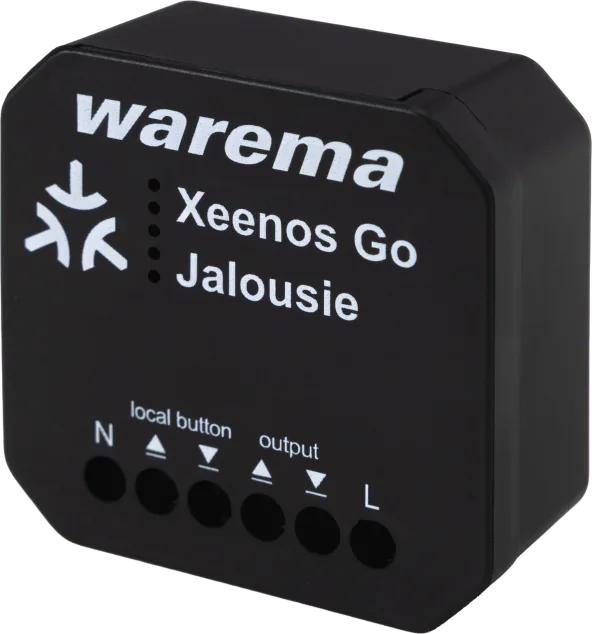
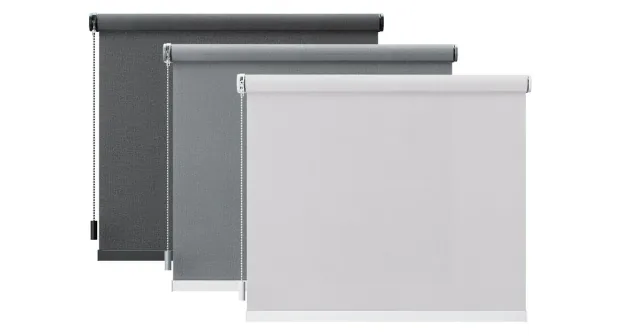
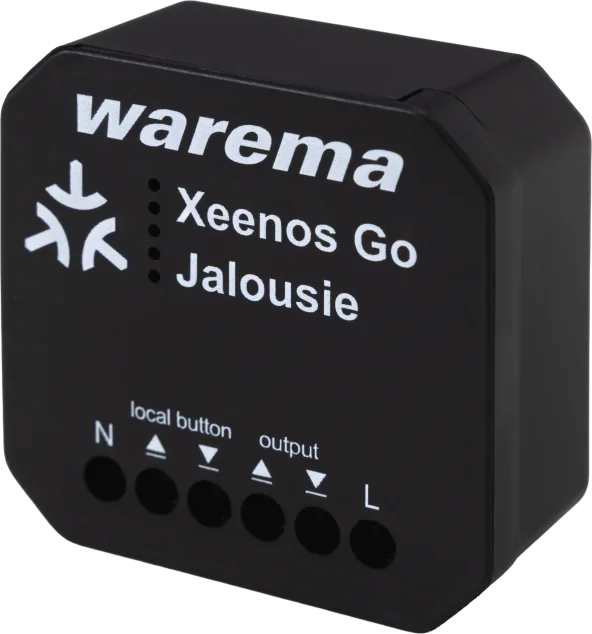
Xeenos Go Jalousie UP adds automation to an existing motorized venetian blind. The black module disappears behind the wall controls, leaving the room's appearance and the familiar buttons intact. That is an attractive approach when the blind itself is still good and replacement would be wasteful.
The exact version matters: article 2086281 is for venetian blinds, while WAREMA uses 2086283 for roller shutters and awnings. The two are closely named, but their jobs differ. This review concerns the slatted-blind version.
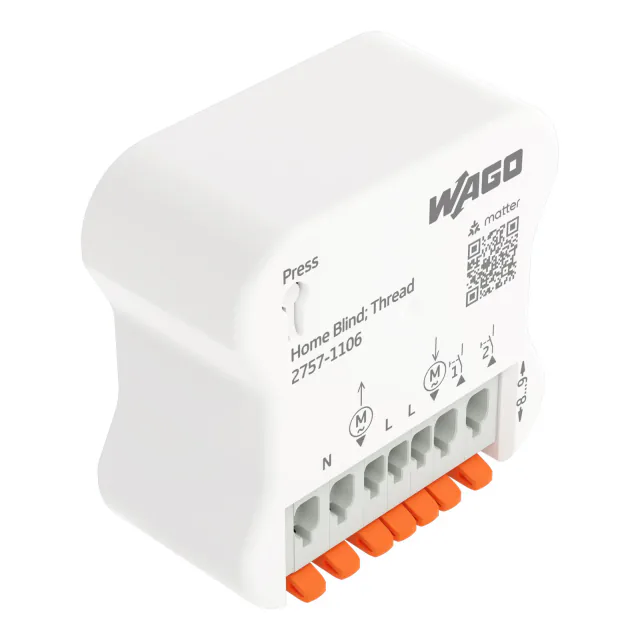
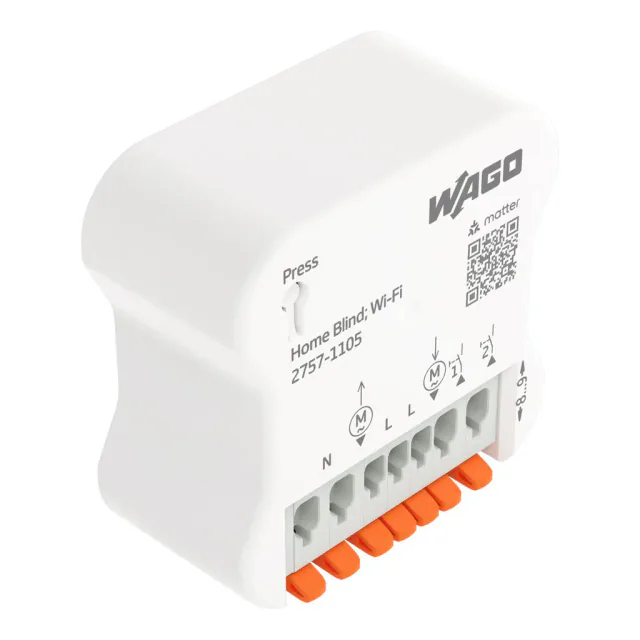
At the checked German retailer, one 2086281 costs €119.90 including VAT. The September 9 listing says incoming stock with an estimated three to ten working days, rather than immediate dispatch. That is already more than twice the €50.05 hardware offer for WAGO Home Blind Control, before either installation bill. WAREMA needs to suit the particular blind well to justify that difference.
Height is only half the job
The important distinction on a venetian blind is between raising it and changing the angle of the slats. WAREMA automatically learns travel time from the motor's current, which can simplify initial adjustment and accommodate later changes. The catch is its fixed 1.6-second slat-tilt time. You cannot tune that setting for a blind whose slats take a different amount of time to turn.
That is the first thing we would ask the installer to demonstrate. A product designed for venetian blinds is less compelling if its most distinctive control does not suit your particular mechanism.
The automatic travel learning also requires motor current above 200 mA and restarts after a power reset. It cannot be disabled. Those are reasons to confirm the exact motor before ordering, rather than judging the product only by its 700 VA maximum load.
Useful wall controls, limited scene controls
Local buttons operate the connected blind, but cannot send wireless commands to other devices. If you imagined one button both lowering the blind and dimming the living-room lights, this actuator does not provide that scene input. WAGO's ability to expose its inputs to Matter is a meaningful difference, although the destination platform still decides how those events can be used.
For app and voice control, WAREMA names Apple Home, Google Home, Alexa and SmartThings. It needs a Matter controller and Thread border router, with no separate WAREMA hub. The manufacturer does not provide a platform-by-platform demonstration of height and slat-angle controls, so an ecosystem logo is not enough evidence for a whole-house order.
Worth choosing when the installer can show the benefit
This is a mains installation for an electrician, with one motor per actuator and a required 65 mm-deep wall box. A shallow existing box can turn a small hidden module into a larger renovation job.
WAREMA is worth considering when the supplier installing or maintaining the blinds can demonstrate the travel, tilt and local controls you want. For a general retrofit, WAGO's lower price makes it the stronger first comparison. Buy the WAREMA because it is a proven fit for your installation, not simply because both the blinds and actuator carry the same brand.
Apple Home and Thread details
- Matter version
- 1.4
We list only values our sources state. Values shown were taken from this review's sources and are awaiting an editor's check.
Keep reading
Spot a mistake or missing context?
Send a quick note so it can be checked against the source material.