What we like
- Energy graphs help identify worthwhile changes in appliance use
- Updated firmware adds Matter energy reporting for Home Assistant and SmartThings
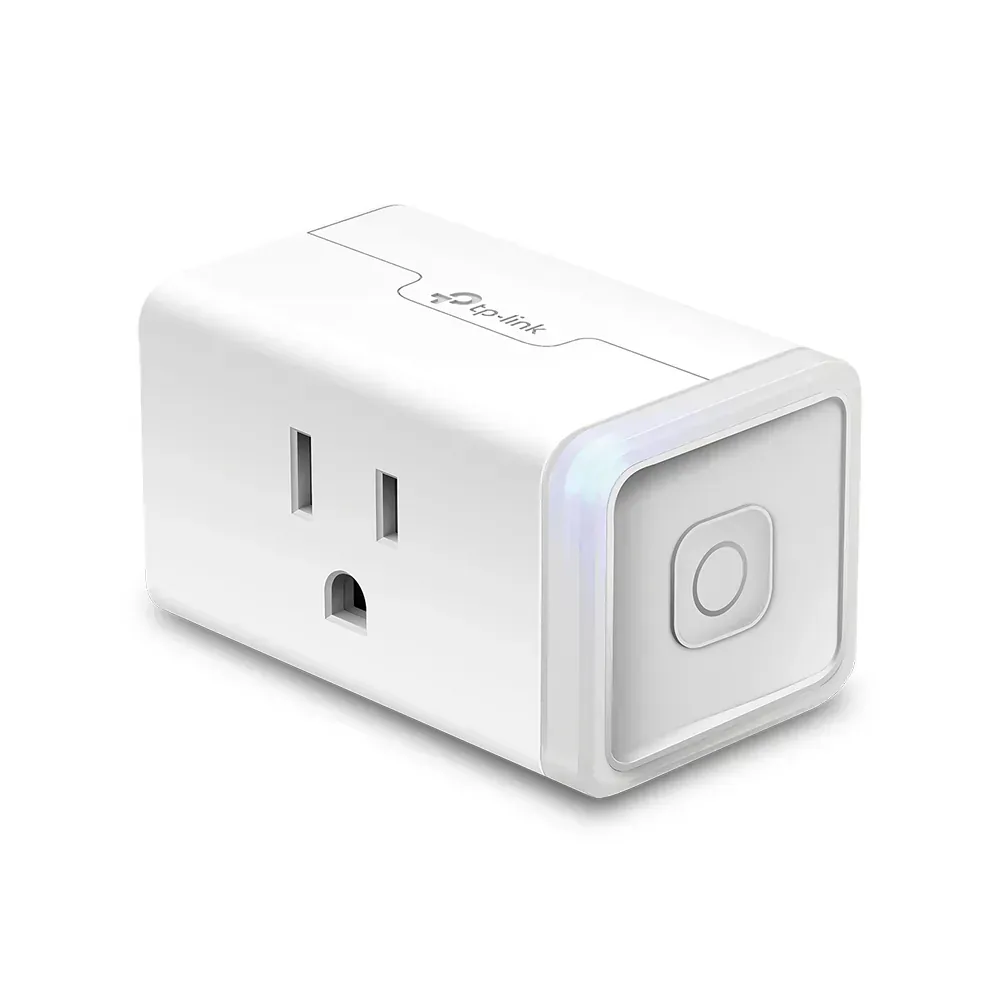
- Low-profile height leaves room for the other wall socket
What could be better
- The checked two-pack costs more than Tapo P110M
- Energy data still needs the brand app in Apple, Google and Alexa homes
- The 40 mm body projects farther than the basic P125M
A useful meter facing a cheaper rival
KP125M has a better reason to exist than another voice-controlled outlet. Its energy meter helps answer whether an appliance's running time or idle draw is worth changing. For a suitable desk lamp, for example, you can compare its consumption under different schedules instead of assuming every automation saves meaningful money.
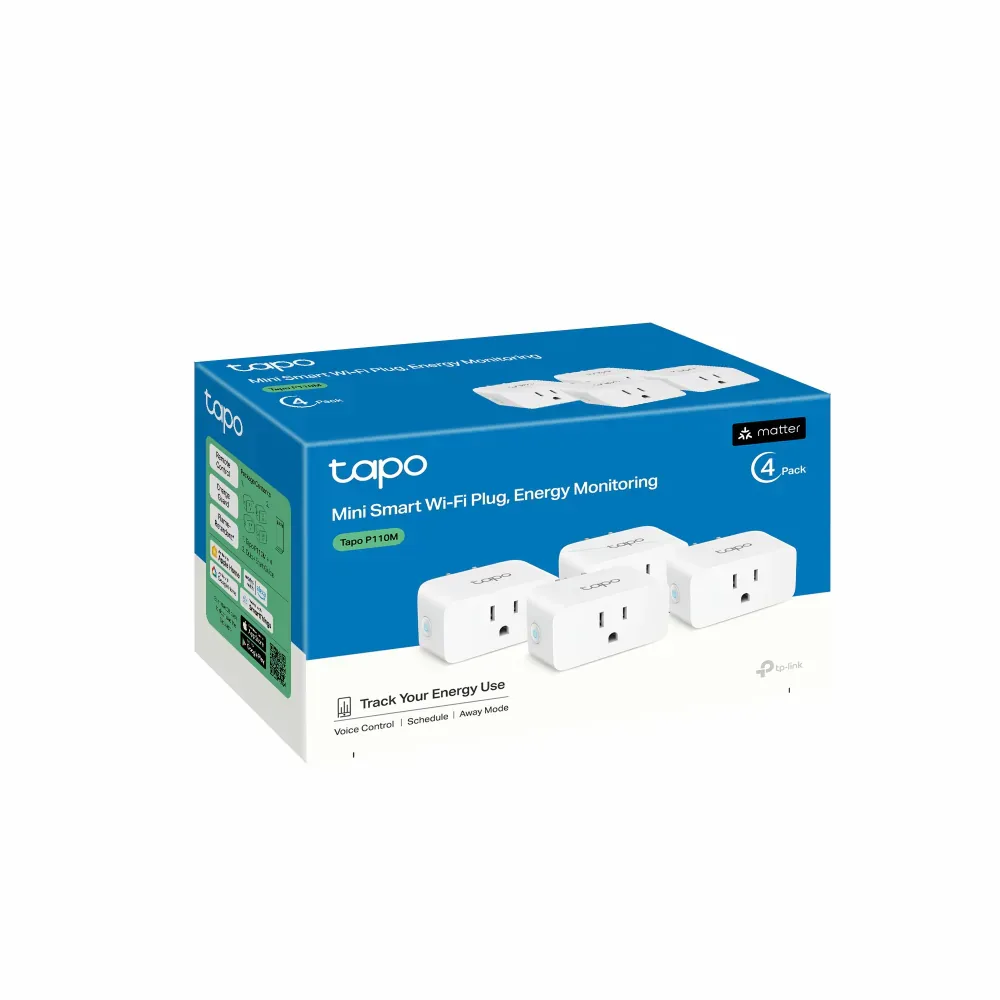
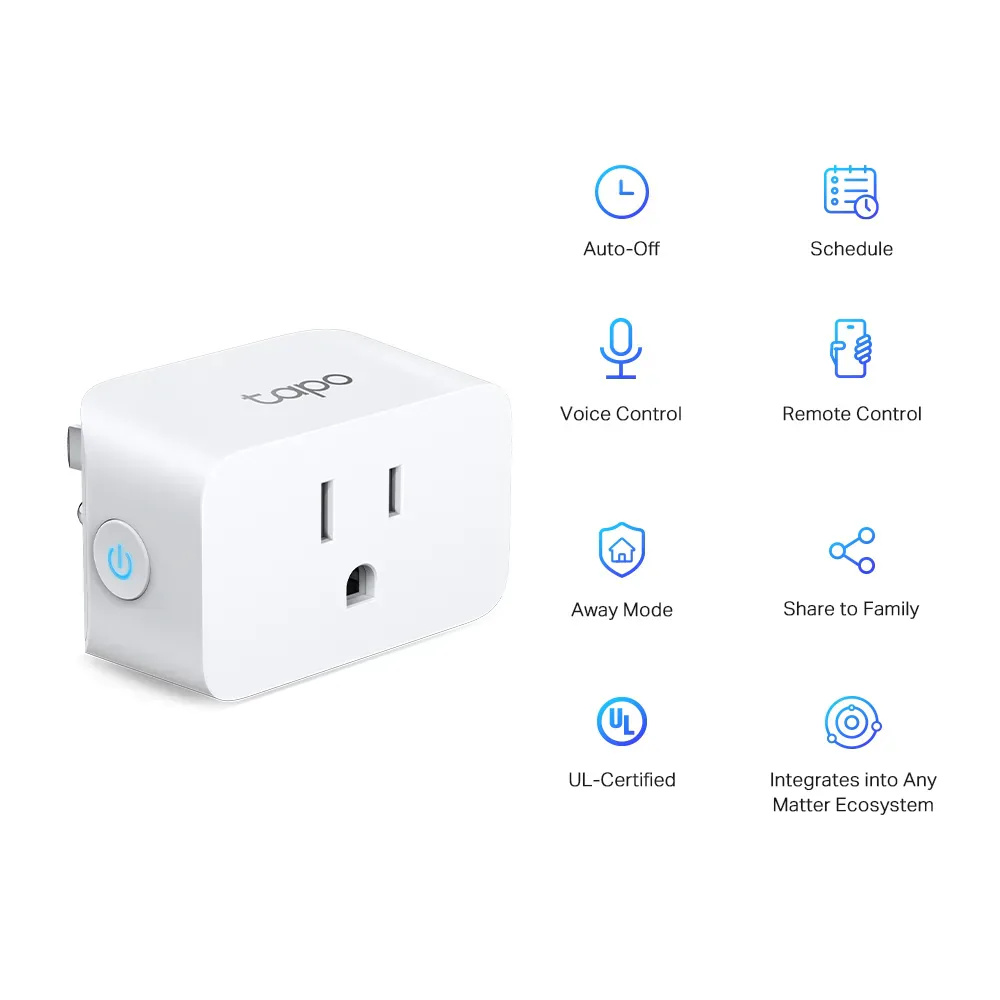
The checked two-pack costs $29.36 at B&H and Amazon.com. Tapo P110M is $23.99 for two and offers the same central attraction: switching plus energy monitoring over Wi-Fi. We would choose the Tapo pair unless the Kasa offer improves. Amazon's $37.99 Kasa four-pack comes much closer to Tapo's $35.99 four-pack, but buying spare plugs you do not need is a poor way to save money.
The meter has become more useful
Kasa's graphs show consumption over time, and entering your electricity tariff gives an estimated cost. That is useful for deciding whether to shorten a routine or change an appliance; it does not make the plug a billing-grade meter or guarantee a saving.
August 2026 firmware adds another reason to keep an existing KP125M. TP-Link says US V1/V1.6 firmware 1.4.1 adds Matter energy reporting in Home Assistant and SmartThings. That expands where the readings can be used without buying replacement hardware. Apple Home, Google Home and Alexa users still need the brand app for energy views, and Kasa's full graph and tariff interface does not automatically appear elsewhere.
Home Assistant owners using the separate TP-Link integration may need its Third-Party Compatibility setting enabled after firmware changes. That connection is distinct from Matter. It is a manageable ownership detail, but a reason to avoid assuming all integrations behave identically.
Keep it where the readings matter
The 66.5 × 38 × 40 mm US body is shaped to leave the other wall socket usable. Its depth is less welcome behind furniture: the switching-only Tapo P125M is 7 mm shallower. For one ordinary lamp needing only on/off control, that smaller plug also avoids the cost of a metering pack.
KP125M is for dry indoor use, with a 15 A/1800 W general or resistive limit; that is not blanket approval for high-inrush appliances such as a refrigerator. Keep a working KP125M where the meter provides useful information. For additional plugs, compare the actual pack size and total price rather than paying extra for the Kasa label.
Content feedback
Spot a mistake or missing context?
Send a quick note so it can be checked against the source material.