What we like
- Useful low-cost choices across E26, E12 and GU10 fittings
- Remote kits provide dimming without a hub
- Bright white-only options avoid paying for unwanted color
What could be better
- Many similar names make the wrong variant easy to buy
- Incompatible with conventional wall and lamp dimmers
- Adding a kit to a smart system replaces its direct remote pairing
The kits are the most interesting starting point
For one ordinary US lamp, the $9.99 white-spectrum E26 kit is a particularly good starting point: a dimmable bulb and pre-paired BILRESA remote, with no hub required for that control. The $14.99 color kit is worth the extra if changing the room's color is part of the appeal. Both need two AAA batteries for the remote.
The white kit is listed at 1055 lumens, slightly below the standalone 1100-lumen white E26 bulb at the same $9.99 price. For someone who needs a physical control, the included remote is more useful than that small difference in stated output. For an existing Thread home with controls already in place, a standalone bulb can still be the simpler purchase.
Spend on the light you want
KAJPLATS is a family, so the cheapest price does not describe every bulb. These are the versions that make the clearest buying cases:
| The job | The version to consider |
|---|---|
| A softer secondary E26 light | 450-lumen white opal bulb, $5.99 |
| A brighter E26 lamp without colored effects | 1600-lumen white opal bulb, $13.99 |
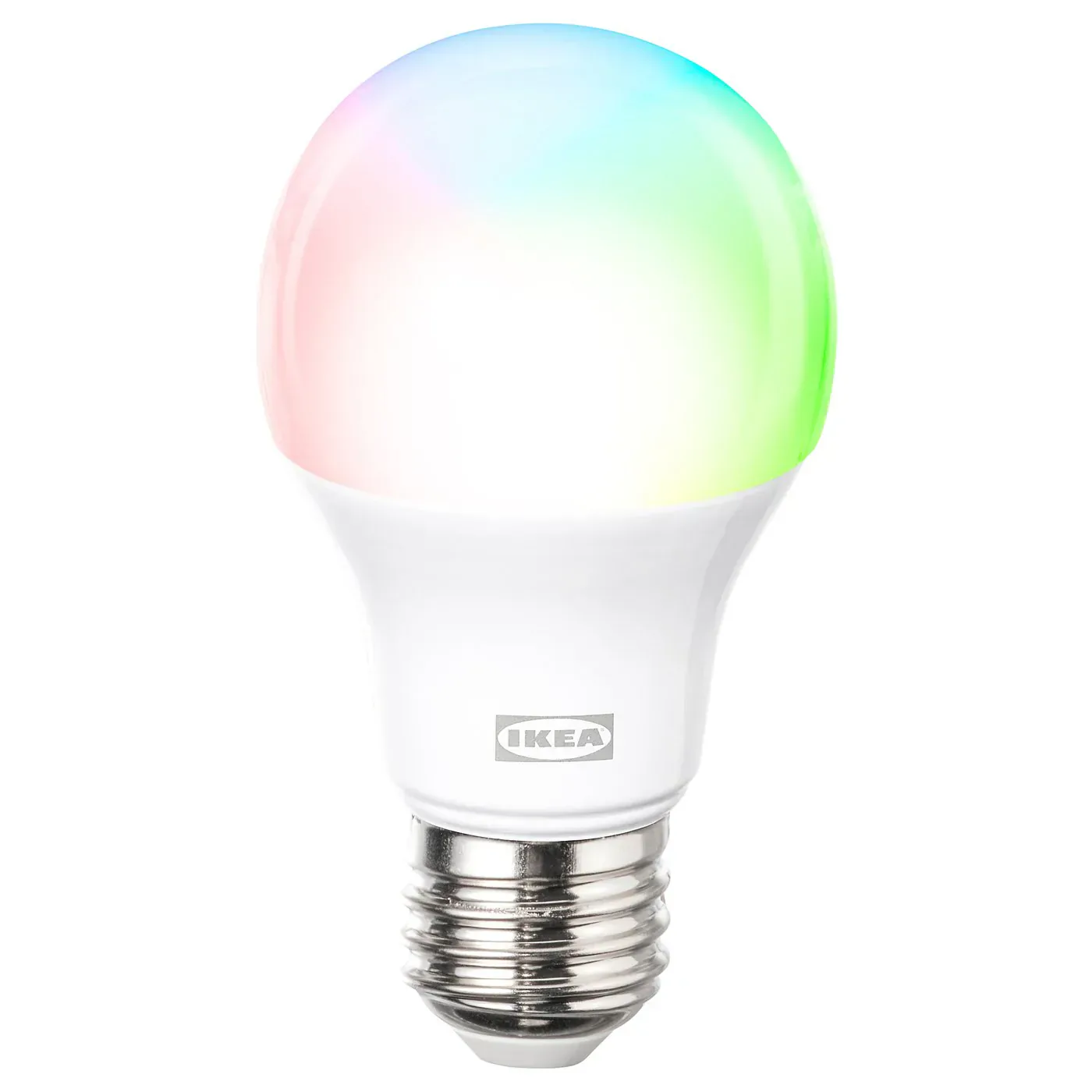
| Color in an E26 lamp | 1100-lumen color-and-white bulb, $12.99 |
| A small E12 screw fitting | 800-lumen white at $7.99, or color at $9.99 |
| A GU10 spotlight | 632-lumen white at $7.99, or 517-lumen color at $9.99 |
The GU10 comparison is a good example of why color is not an automatic upgrade: the white model has higher listed output and costs less. Clear decorative E26 globes make sense when the bulb itself is part of the fixture, but check the shade opening; the 800-lumen clear globe is four inches across. The lumen figures describe white light, not equally bright saturated colors.
The remote solves only part of the wall-switch problem
A conventional wall or lamp dimmer is incompatible with KAJPLATS. The bulb needs power left on while its brightness is controlled electronically. A remote is useful precisely because it gives the room a physical control without cutting that power.
There is more work if you move a pre-paired kit into a smart home system. The bulb and remote become separate devices, and their actions need assigning in the app. That makes a remote-only kit an attractive complete purchase for one lamp, while app control requires a suitable Matter controller and Thread border router.
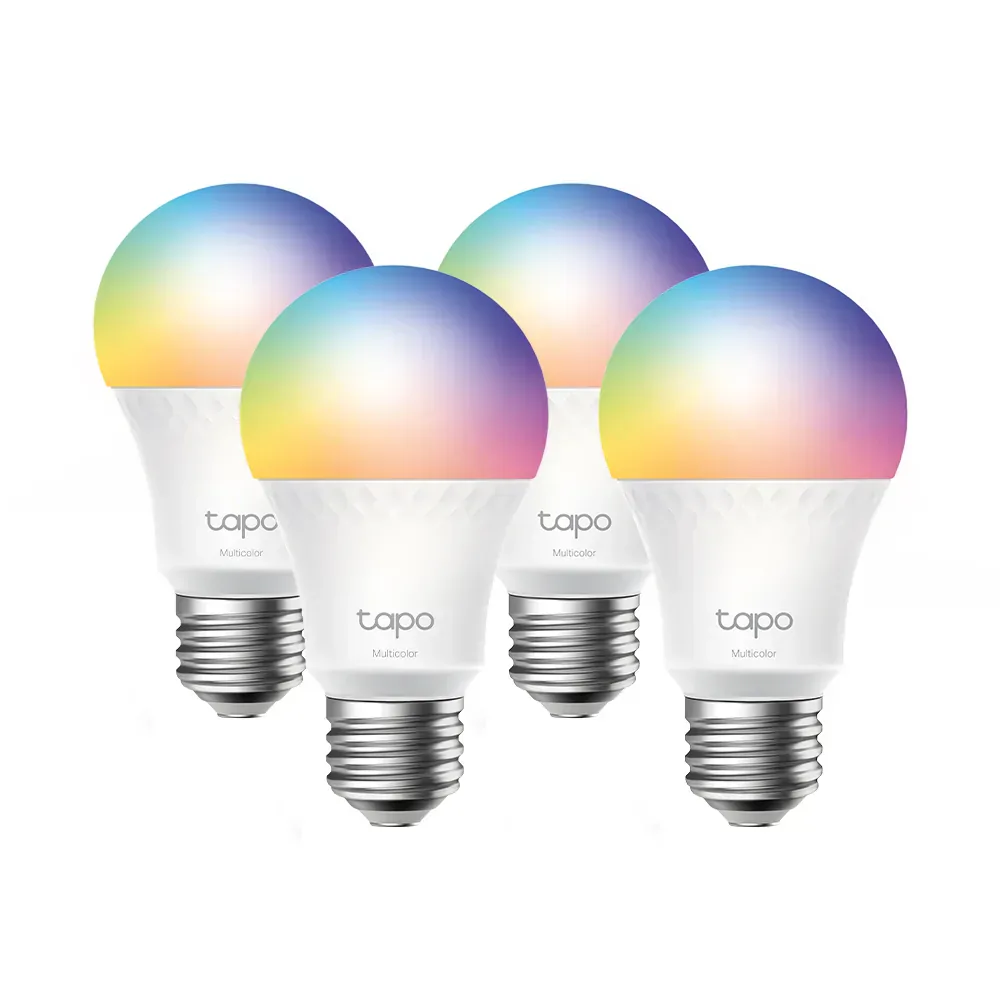
For the E26 color-bulb job, Tapo L535E is a cheaper listed Wi-Fi alternative that avoids Thread hardware. KAJPLATS is the stronger starting point when its included remote, existing Thread connection or choice of fittings solves the actual lighting problem. Neither specifications nor price establish dimming quality in person; Matterhome has not tested that here.
Content feedback
Spot a mistake or missing context?
Send a quick note so it can be checked against the source material.