What we like
- Separate room schedules are stored on the device
- Removable rechargeable battery avoids recurring AA replacements
- A physical dial gives guests an obvious temperature control
- Can request heat from a suitable Tado-controlled system
What could be better
- Cannot produce heat when the central supply is off
- Charging pauses scheduled adjustments until the battery returns
- Automatic away and open-window actions require AI Assist
- A better room measuring point can require an extra sensor
A good valve for rooms with different routines
Tado's radiator thermostat earns its place when one room needs heat at different times from another. A bedroom can cool down during the working day while the home office stays comfortable. The free Tado app provides schedules stored on the device, so an internet outage does not erase the routine.
The more useful step is coordinating those rooms with the heat source. In a suitable Tado-controlled heating system, a room can request heat rather than wait for a hallway thermostat to notice it is cold. A valve fitted by itself cannot start an unrelated boiler or create hot water when a building's shared heating supply is off. That distinction matters more than the number of voice assistants on the box.
The dial and battery are the appealing hardware choices
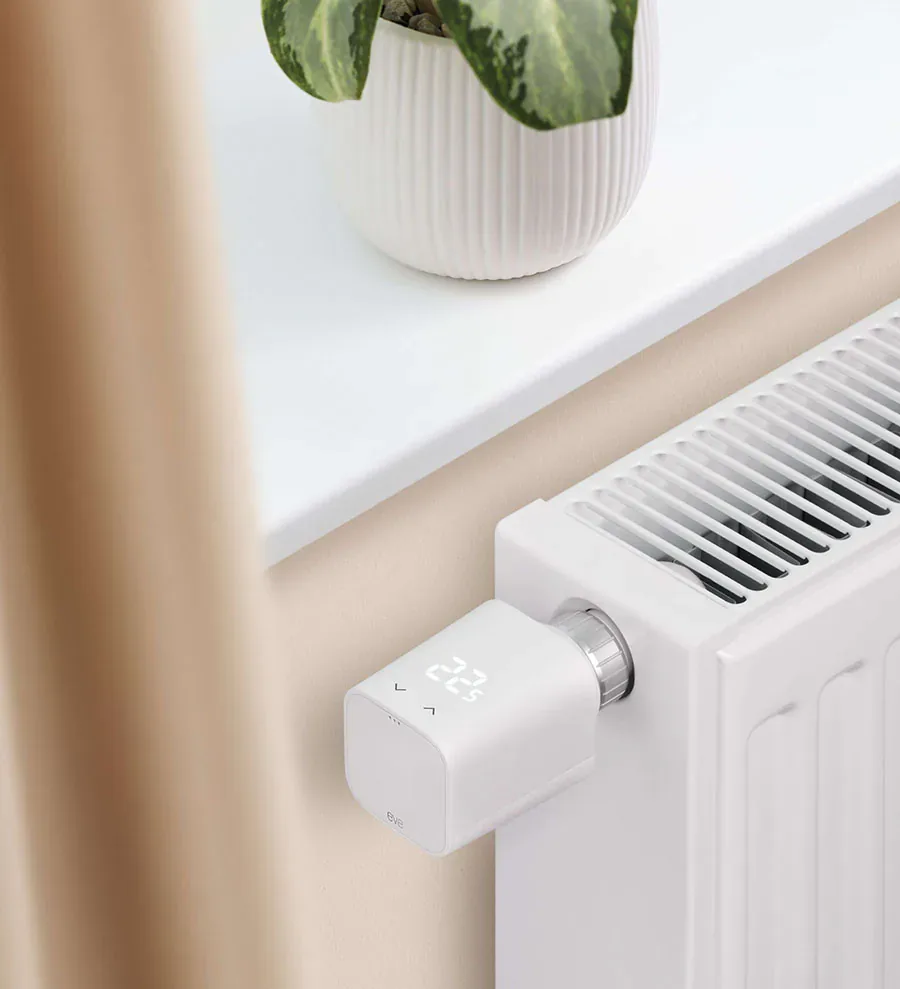
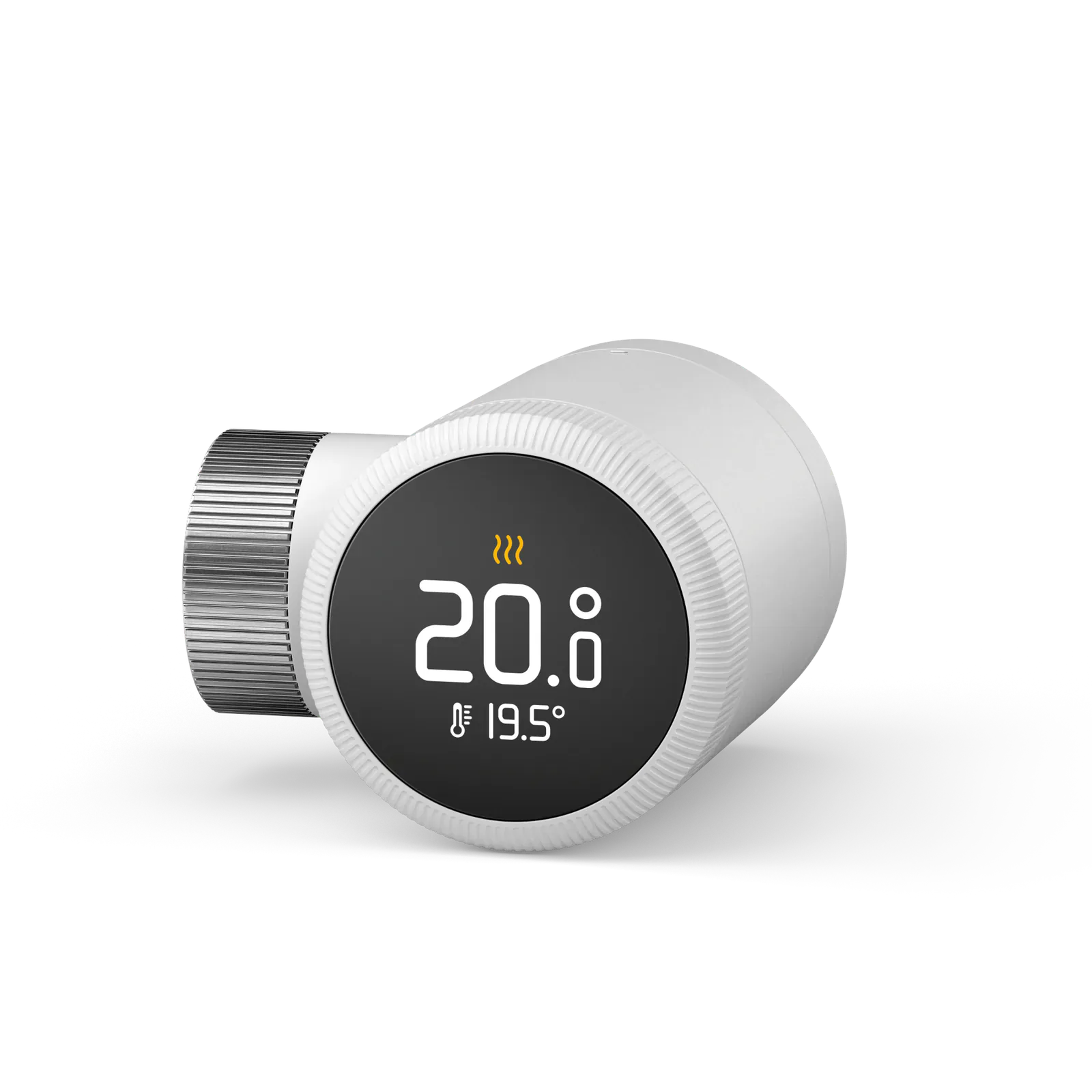
A turnable dial is an approachable control for guests who do not have the app. The display supports touch controls, and a child lock can disable local adjustments. The white body is still a visible electronic attachment to the radiator; it is a functional upgrade rather than something that disappears into traditional fittings.
The removable battery pack is the other attraction. You can take it away for USB-C charging without removing the whole valve head. Tado quotes up to a year between charges, with a charge before the heating season recommended. That is a manufacturer estimate, not a measured runtime here.
Charging has a compromise: the valve retains its last heat request while the pack is removed and cannot make scheduled adjustments. A spare pack avoids that pause but costs extra. A cable is not included, and Tado warns that some USB-C fast chargers will not charge the pack; a basic USB-A power supply and USB-C cable is its suggested fallback.
The hidden cost is the rest of the room
The valve measures beside the radiator, which may be behind a curtain or sofa. A temperature offset can compensate for a consistent difference. A separate Wireless Temperature Sensor X can instead provide the reading from a more representative location and control several Tado valves grouped in that room.
That accessory was €79.99 in the German store on September 10, 2026—more than the valve's €64.99 offer. Add €54.99 if you also need Bridge X, although an included receiver or compatible existing Thread hub may cover that job. Six individually priced valves alone total €389.94 before shipping or any bundle discount. Start with a room whose routine needs improving.
Decide whether the paid features matter
Free schedules and manual control are enough for predictable days. AI Assist adds automatic away adjustments, preheating before arrival and automatic open-window responses. Tado's current European price is €3.99 monthly or €29.99 annually. Its adaptive valve control is an extra reason to consider the service, not proof of a particular reduction in your bill.
Eve Thermo is the alternative for someone who prefers replaceable AA batteries and account-free scheduled heating. Tado is more compelling when its shared app and coordination with the boiler will be used. Both need the correct radiator fitting and Thread infrastructure; Tado supplies an M30 × 1.5 head with adapters, not a replacement water-carrying valve body.
Keep working V3+ valves if they already deliver the room control you need. X cannot join the same Tado Home as those older devices, so replacing a whole installation simply to gain Matter can be an expensive way to reach much the same daily result.
Content feedback
Spot a mistake or missing context?
Send a quick note so it can be checked against the source material.