What we like
- AC power monitoring costs €2 more than non-metering 1 Gen4
- Local controls, schedules, scripting and MQTT
- Matter included, with Zigbee available as an alternative mode
What could be better
- €7 above 1PM Gen3 for the same basic switching and metering job
- No dry contacts; DC operation does not provide metering
- Same full-size enclosure and neutral requirement as Gen3
Good value within Gen4, less obvious beside Gen3
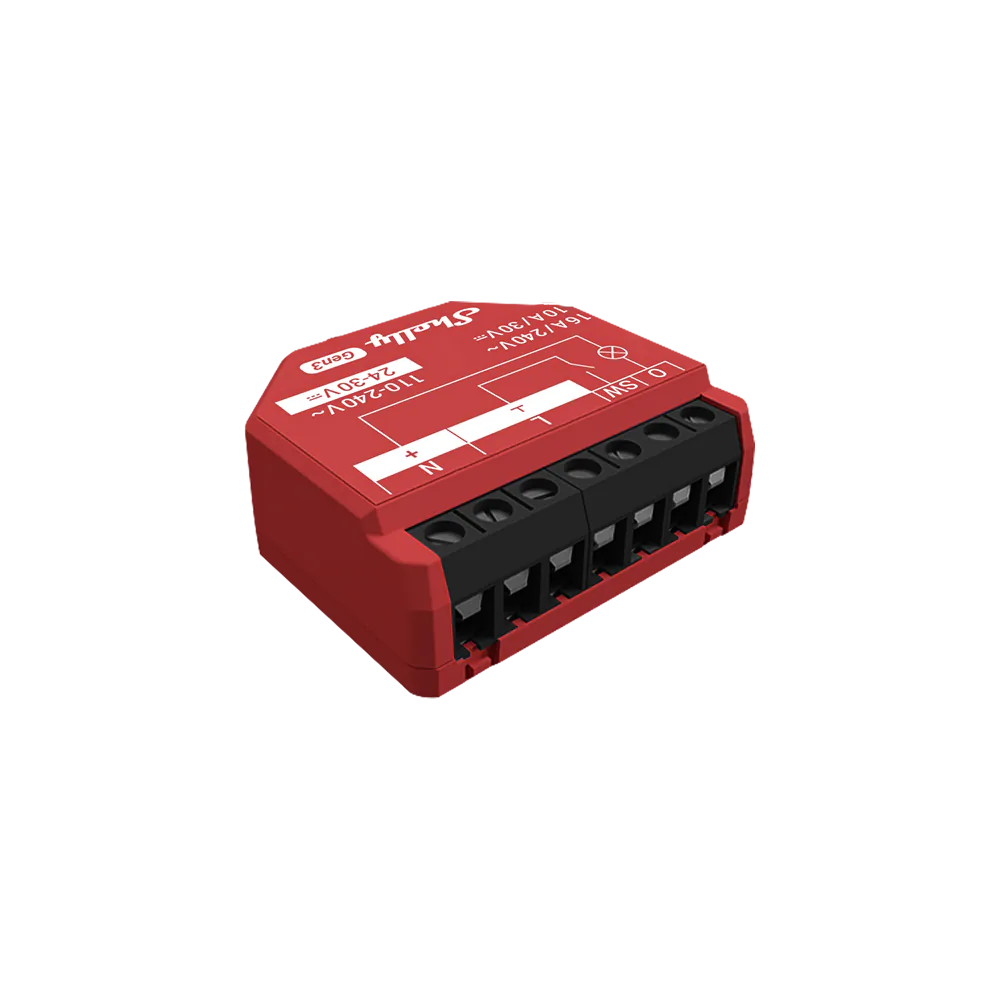
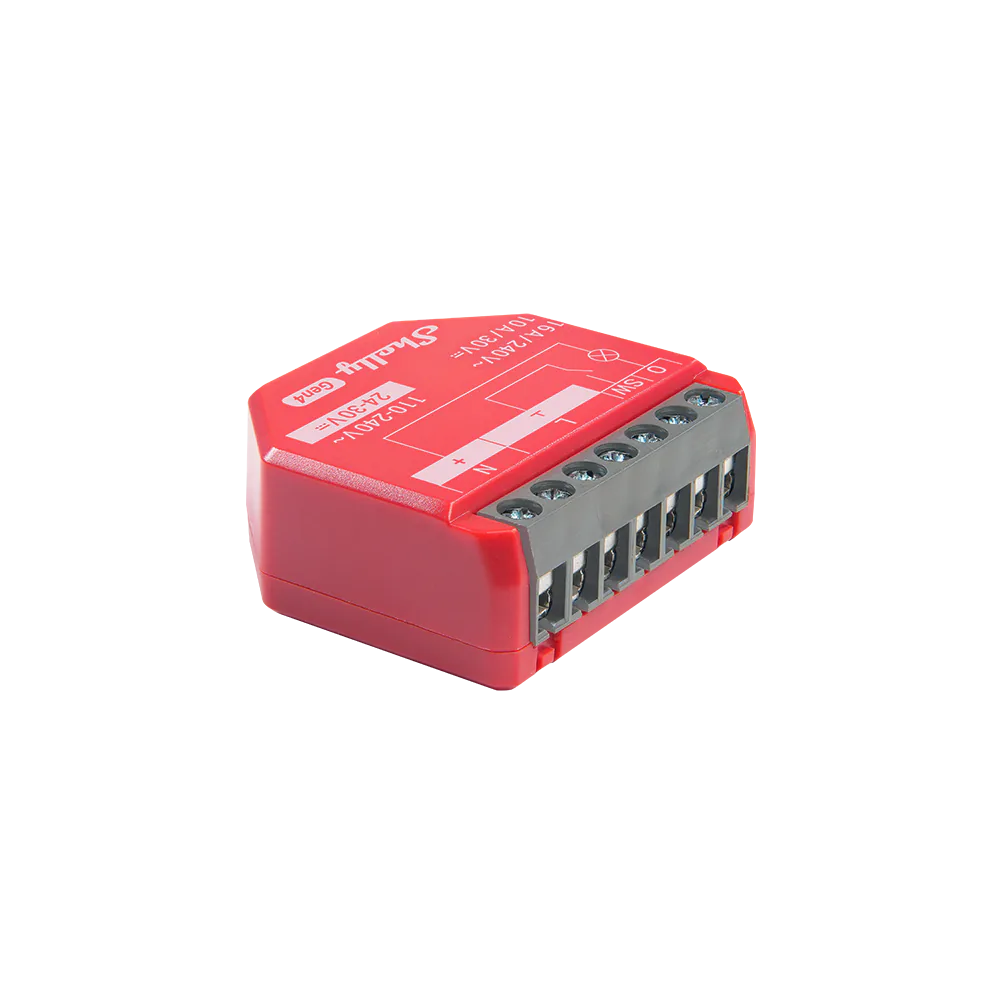
The case for 1PM Gen4 depends on which relay you are comparing it with. At €21.90, it costs only €2 more than the non-metering 1 Gen4. For an ordinary mains circuit where consumption readings are useful, that is an easy premium to justify. Against the €14.90 1PM Gen3, the decision is closer: both already switch and meter a single load and support Matter.
Those single EU offers were in stock on September 9, 2026, with VAT included and shipping extra. Installation is separate. Buying several makes the €7 generational premium more noticeable, so it should purchase a capability you intend to use.
The useful part is knowing what the load is doing
The native meter reports power and energy for the connected AC load. That can help distinguish a relay that is merely on from an appliance that is actually drawing power, or provide consumption information for a suitable lighting or equipment circuit. Shelly also offers configurable power, current and voltage protection settings.
These are useful controls, not a substitute for correctly rated wiring and circuit protection. Nor does a meter guarantee lower bills or diagnose an appliance fault on its own. Detailed readings and settings are available through Shelly; another Matter app may expose a smaller set of information.
The output is not a dry contact. If your project needs to close an independent control circuit, 1 Gen4 is the relevant model. The 1PM's supported 24 to 30 V DC mode also loses power measurement, so it is not a DC energy monitor.
Zigbee is the reason to consider the newer version
Matter over Wi-Fi is included, with Zigbee available through alternative firmware. A planned move to a Zigbee coordinator can make that flexibility worth paying for. It does not create simultaneous Matter and Zigbee operation, and native Bluetooth sensor components are unavailable in Zigbee mode.
In the Wi-Fi role, local browser controls, timers, schedules, scripting and MQTT provide substantial flexibility without requiring Shelly Cloud for local operation. Wi-Fi 6 support is another specification, but there is no measured reception or reliability advantage established here that would justify replacing existing hardware.
Match the relay to the circuit
The EU model uses a 37 × 42 × 16 mm enclosure and is rated up to 16 A AC or 10 A at 30 V DC, subject to the actual load and installation. Mains operation requires a neutral. The manual calls for a qualified electrician, and the hardware needs an appropriate enclosed position with room for its wiring.
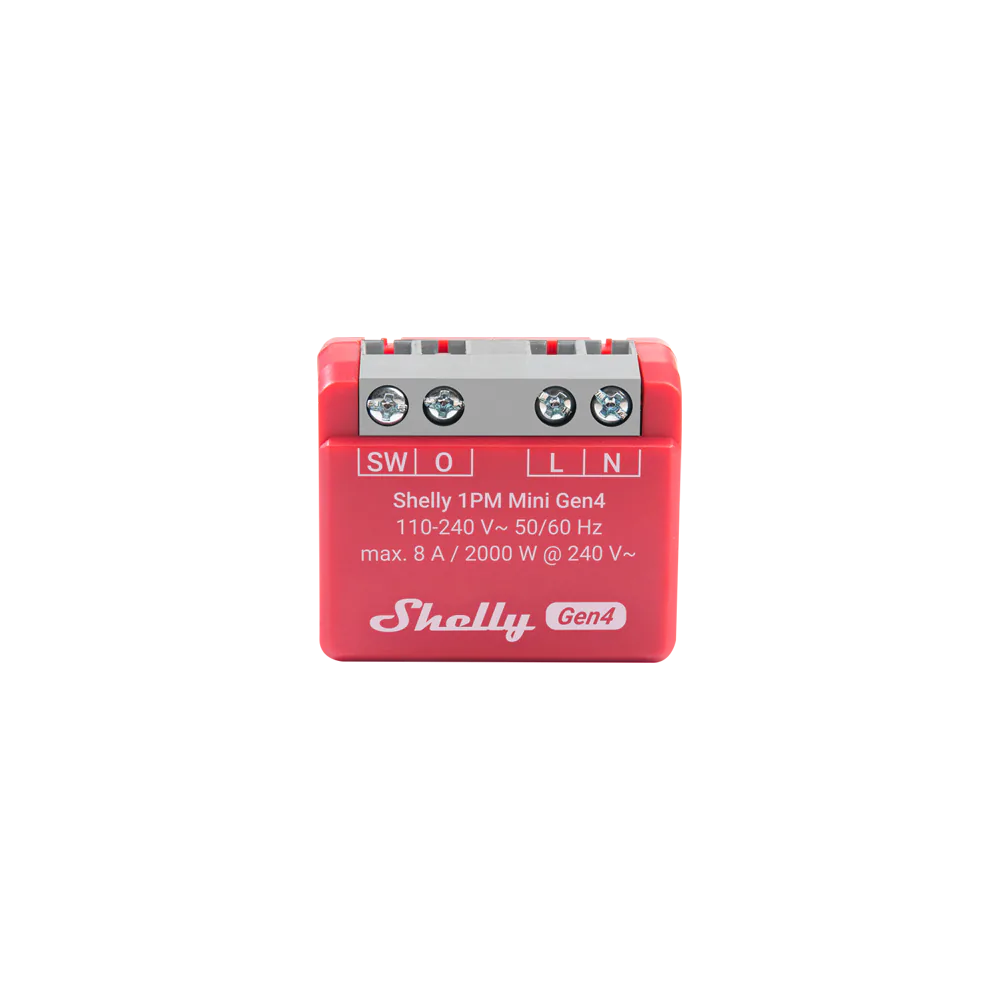
The 1PM Mini Gen4 costs the same and fits a smaller footprint, but has an 8 A AC ceiling and no DC supply option. For a full-size installation that will stay on Matter over Wi-Fi, 1PM Gen3 is the cheaper route to the core functions. Keep a working one unless Gen4's protocol choice solves a specific problem.
Content feedback
Spot a mistake or missing context?
Send a quick note so it can be checked against the source material.