Two shortcuts have to earn the extra money
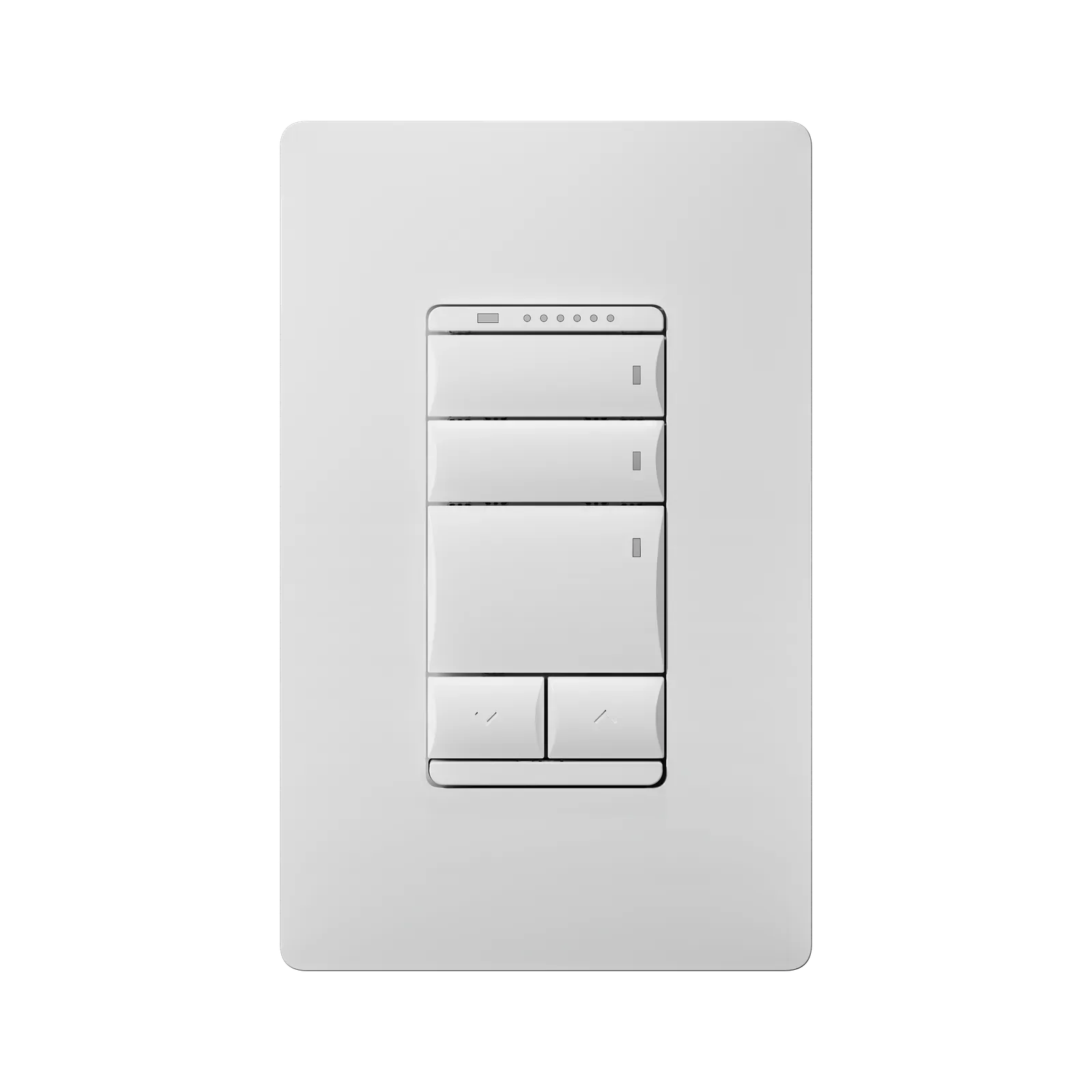
Cync's Keypad Dimmer makes sense when the room has more going on than one ceiling light. Its two scene buttons can recall a useful arrangement of Cync lights: a brighter room for reading, for example, and a softer evening setting. Put those choices at the entrance and they become easier to use than a scene buried in an app.
The price is reasonable for that job, but unremarkable for a dimmer. GE's US store listed the keypad at $44.99 on September 10, 2026, with standard shipping included to eligible addresses in the contiguous US and DC. Its simpler Paddle Dimmer was $25.99. You are paying a $19 hardware premium for the keypad layout and direct scene access; both models can make a suitable multi-way lighting circuit smart.
For a standalone order, the paddle's $5.99 delivery charge narrows the difference to $13.01 before tax. If the scene buttons will sit unused, even that smaller premium buys little. An existing dimmer that already provides the control you need is worth keeping.
A practical face, with more buttons to learn
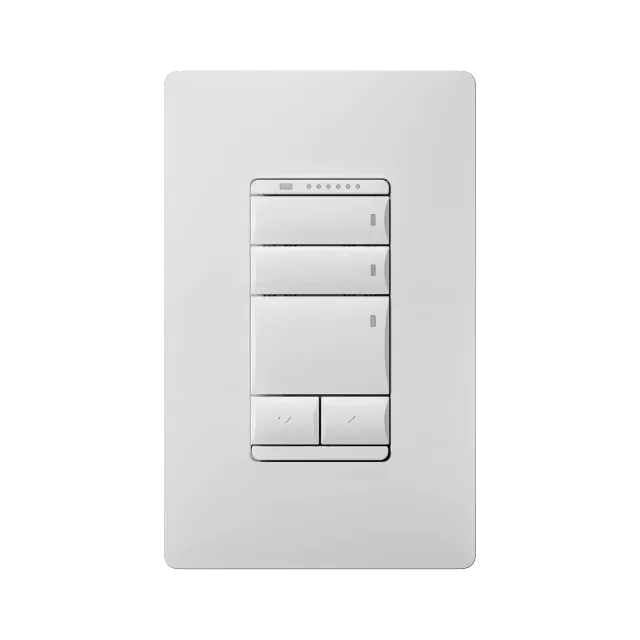
There are five everyday buttons: two scene controls at the top, one larger on/off button beneath them, and separate dim-down and dim-up buttons at the bottom. The larger central button gives visitors a clear main target. The small brightness indicators provide a reference without opening an app.
The extra scene buttons are less self-explanatory. People in the house need to know what each one does, and their value depends on keeping those assignments useful and consistent. A plain paddle and slider is the more familiar design when the only request is to turn the light down. We have not tested the keypad's button feel or low-end dimming performance.
The switch includes a single-gang décor plate and can fit a standard multi-gang plate. It is a room control, not a reason to replace every wall switch with the most complicated face available.
Best when Cync already runs the room
The two shortcuts recall scenes configured in Cync. They are a good match for other Cync lights you already own, including lights in separate fixtures. Cync also supports keeping its smart bulbs reachable when used with this switch, so turning the wall control off need not make those bulbs disappear from their schedules and voice control.
That does not make the keypad a universal automation panel. The exact specification does not establish the two scene buttons as generic Matter events that can be freely assigned in Apple Home, SmartThings or Home Assistant. Buy it for its Cync scene behavior. Matter supplies another route to ordinary on/off and brightness control, while the Cync app handles the keypad's distinctive functions.
Its Wi-Fi connection avoids a Thread border router purchase. Cync's own app features do not require a brand hub; a separate Matter ecosystem still needs its appropriate controller. Cync also provides dimming-range adjustment, useful when a lamp needs its lowest setting raised.
Keeping the other switches is the useful saving
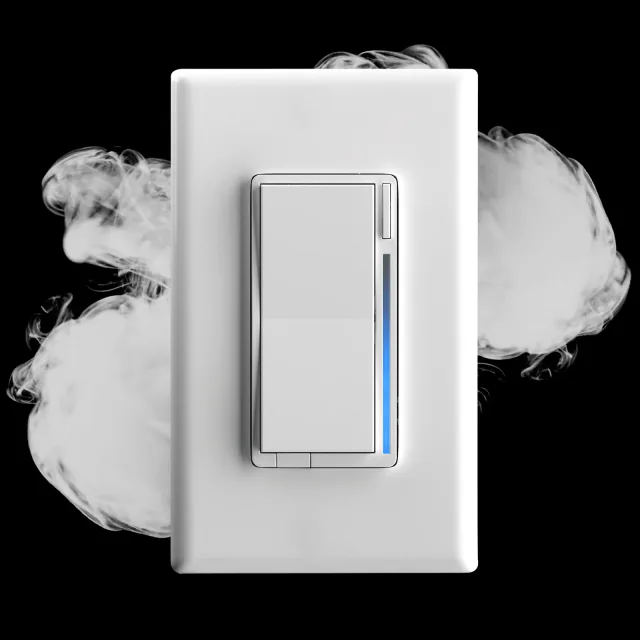
A compatible three-way or four-way circuit can retain its conventional switches with one Cync smart dimmer and the wired traveler connection. That is an attractive way to add remote control to a hall or room with several entrances. The wired companion operation does not depend on Wi-Fi, although the other wall positions do not acquire the keypad's scene buttons.
The keypad cannot always go at whichever entrance you prefer. Where a three-way circuit has line and load in different boxes, Cync specifies the smart switch at the load side to preserve the conventional switch’s control. Its physical location is worth checking before buying scene buttons you want beside a particular doorway.
The reviewed model is CSWDMBLK5T1/MSWF, GE SKU 93131906, for dry indoor 120 V circuits. It needs neutral and ground. Its lighting limits are 150 W of dimmable LED or 450 W of incandescent/halogen. A single-location circuit does not need an existing traveler just because the product name mentions one. Have the installer confirm the actual circuit, bulbs and box space before ordering; the keypad is not a workaround for missing conductors or unsuitable lamps.
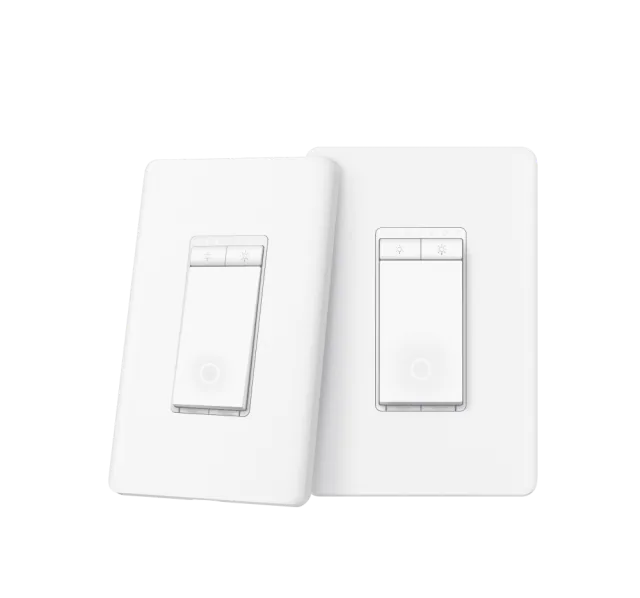
For a simple neutral-equipped, single-location circuit, Tapo S505D is the better value to consider first: its US single-unit price was $18.99 before delivery and tax on the same date. For richer platform-assigned button actions, Inovelli White Series is the more relevant step up, with a higher price and Thread hardware requirements. Cync wins when two straightforward Cync scene shortcuts are precisely what the room lacks.
Spot a mistake or missing context?
Send a quick note so it can be checked against the source material.