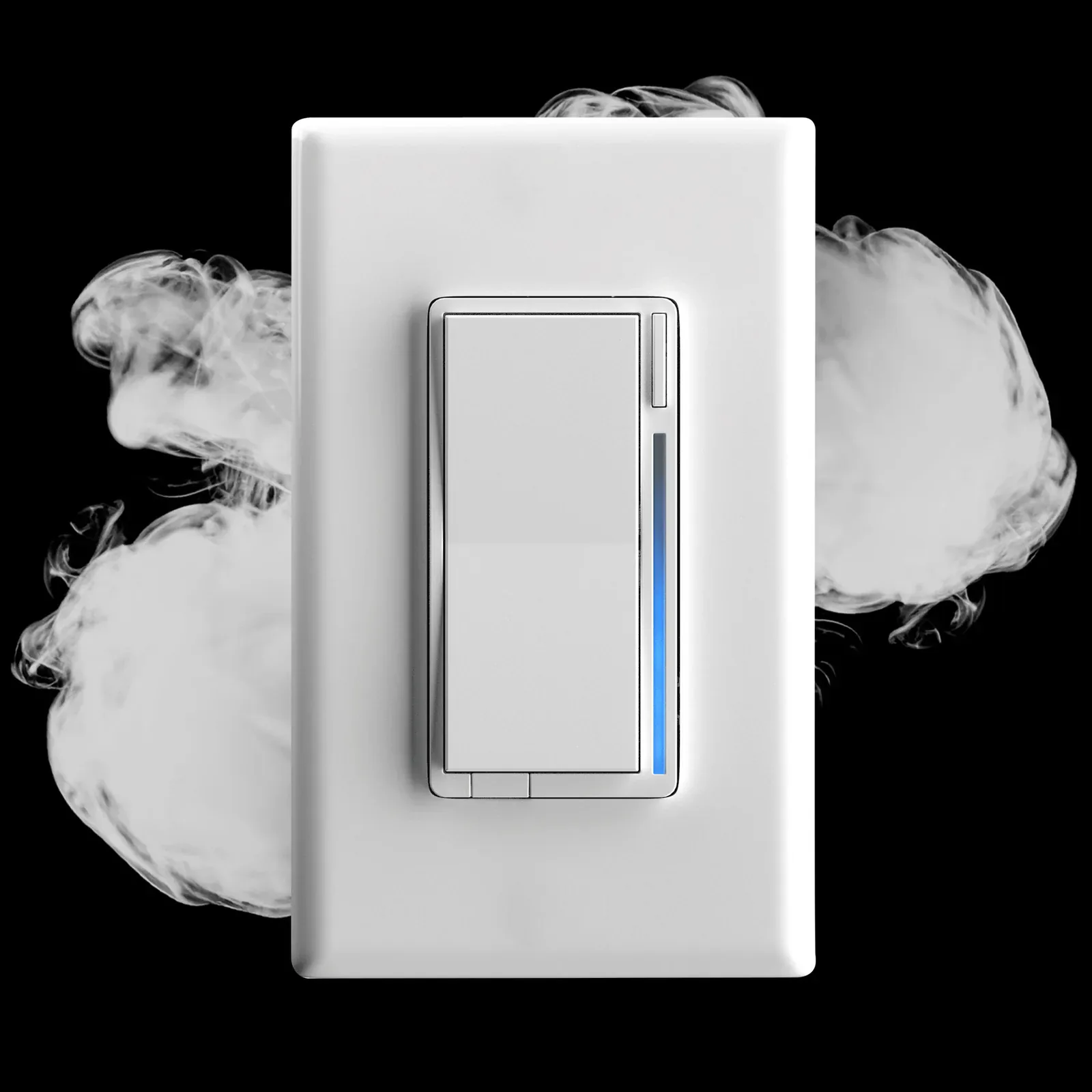
A wall switch for people who want more controls
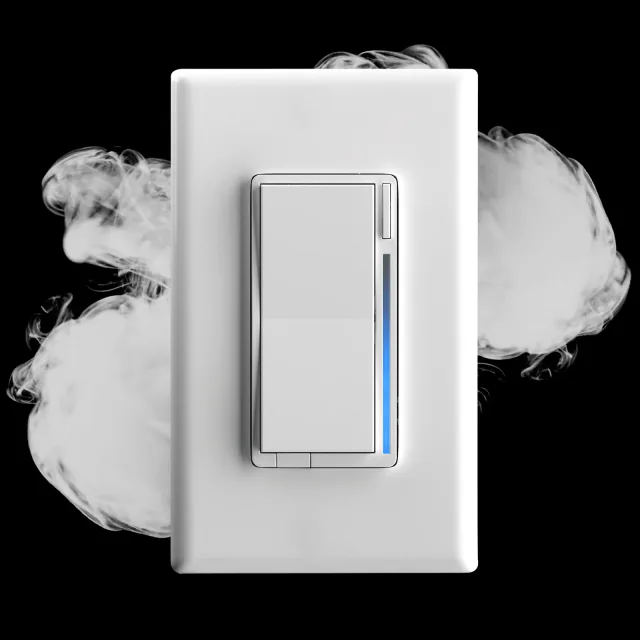
Inovelli White Series earns its premium when the paddle does more than operate the light wired behind it. A double-tap can run a room scene, the small favorites button can provide another shortcut, and the colored light bar can show a useful status from your home automation. It can feel like a sensible use of an existing wall position instead of another remote to keep track of.
That flexibility needs a purpose. Filling a house with $65 dimmers just to switch ordinary lights on and off is expensive, and hidden multi-tap assignments are less obvious to visitors than dedicated labeled buttons. Start with one room where the extra controls will replace repeated app use. Keep working switches elsewhere.
The reviewed model is VTM31-SN, previously sold as the White Series 2-1 Switch. The checked US price on September 10, 2026 was $65 for one new white unit. It needs a Matter controller and Thread border router, with no separate Inovelli hub. Those are additional purchases if the home does not already have suitable hardware.
The light bar can be useful without becoming a distraction
The large paddle handles ordinary on/off and hold-to-dim operation. The adjacent bar can indicate brightness or change color for a configured event. Giving it one recognizable job, such as indicating that a garage door remains open, is more useful than an elaborate light show nobody remembers. That example needs the appropriate sensor and automation; the dimmer does not detect the door itself.
Inovelli provides separate LED intensity settings for when the main light is on and off, including zero. That matters in a bedroom, where a permanent bright strip on the wall may be unwelcome. Adjustable fade speed and minimum/maximum brightness also let the installer adapt the control to the room and lamps. These are useful adjustments, not evidence that the switch dims every LED smoothly.
Current product information lists multi-taps for Apple Home, Home Assistant and SmartThings. Google Home and Alexa are weaker reasons to pay for this particular feature. SmartThings benefits from Inovelli's driver, and Apple Home still leaves some configuration to the physical switch. Choose the scenes your platform can actually run before paying for the longest button menu.
Keeping smart bulbs powered is a separate job
Smart Bulb Mode leaves power available to connected bulbs and uses commands to control them. That solves a familiar problem: someone uses the wall switch, and a color bulb becomes unreachable from the rest of the home.
It does not turn any smart bulb into a conventional electrically dimmed lamp. The button-to-bulb actions still need to be arranged through the supported platform or an appropriate binding setup. Do not assume a held paddle will provide smooth direct dimming to every brand of bulb, or that every automation continues when its controller is unavailable.
For ordinary lighting, this is a 120 V indoor dimmer rated up to 300 W LED, 150 W CFL or 600 W incandescent in a single-gang installation. The incandescent limit falls to 500 W in a double gang and 400 W in a triple gang. Despite offering leading and trailing edge options, Inovelli excludes ELV/MLV, transformer-fed lights, fans and outlets. The exact fixture matters more than the dimming-mode label. We have not measured flicker, buzzing, minimum brightness or long-term reliability.
No-neutral support starts at $85
The required Inovelli bypass adds $20 to a no-neutral installation, bringing the hardware subtotal to $85. It goes at the light fixture, so the work extends beyond swapping the switch. No-neutral use also loses energy monitoring.
A no-neutral multi-way circuit needs an Aux companion rather than retaining a conventional switch. One $25 Aux takes that subtotal to $110. At the check, the new white single Aux was marked Back-Order; confirm its delivery before booking the installation. The switch and bypass themselves had available purchase controls in the US store.
With neutral wiring and a supported ordinary-light circuit, retaining a conventional companion can avoid that $25 purchase. It provides on/off control at the other location, not dimming. An Aux adds dimming there too, and is also required for the documented multi-way Smart Bulb Mode arrangement. Its taps do not yet provide separately assignable actions from the main White Series switch, so two wall positions do not mean two independent sets of scene shortcuts.
These totals exclude a faceplate, installation, tax and delivery. Inovelli does not include the plate, and its free US shipping threshold is over $250. Some very low-power LED circuits can need a bypass even with neutral wiring; get the actual lighting combination checked before assuming the lowest subtotal applies.
Powerful enough to need occasional attention
Production firmware 1.1.5 adds useful fixes, but upgrading older units is not always invisible. Inovelli warns that configuration can change, previously arranged bindings may need rebuilding, and platforms can show extra or obsolete controls. Google Home can expose configuration through additional device tiles, which adds control but also clutter to the app. Recheck the room's behavior after an update instead of replacing a functioning switch merely to get a newer box.
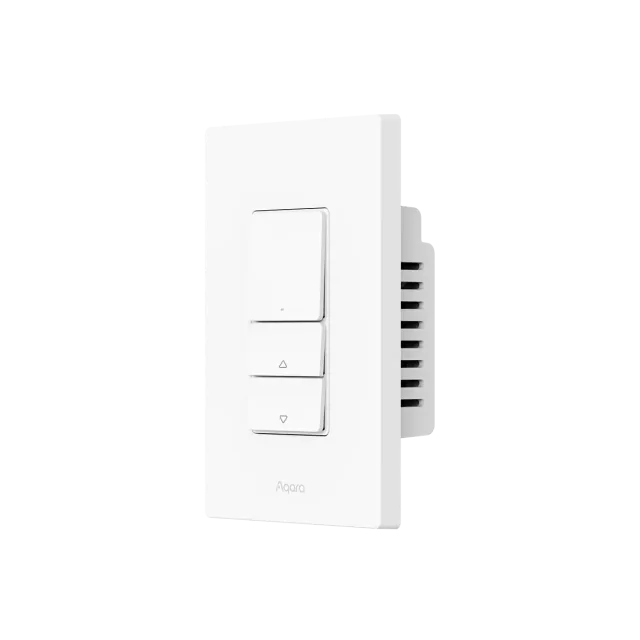
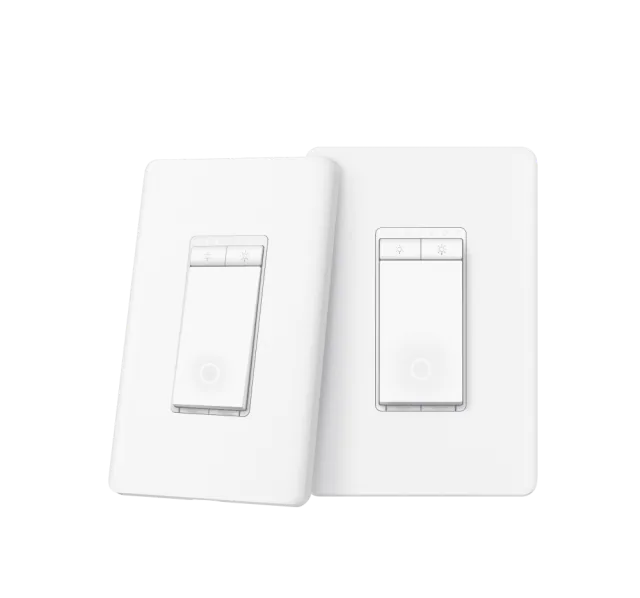
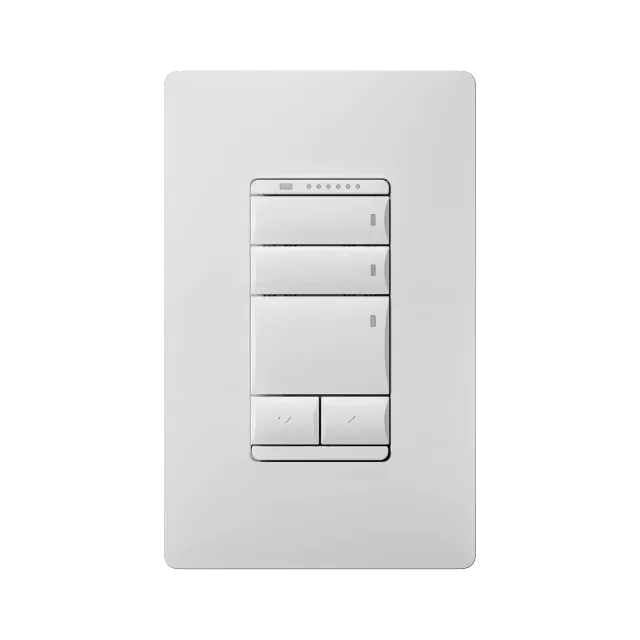
For straightforward single-location dimming with a suitable load, Aqara H2 US is a simpler no-neutral/Thread comparison at $49.99 before delivery. If neutral is present, the $18.99 Tapo S505D is far cheaper. Cync's keypad is the middle option for dedicated Cync scene buttons. Choose Inovelli when its richer wall controls justify both the installed price and the time spent configuring them.
Keep reading
Spot a mistake or missing context?
Send a quick note so it can be checked against the source material.