What we like
- Apple Adaptive Temperature adds useful arrival and away control
- Remote sensors can guide or average the temperature used by the system
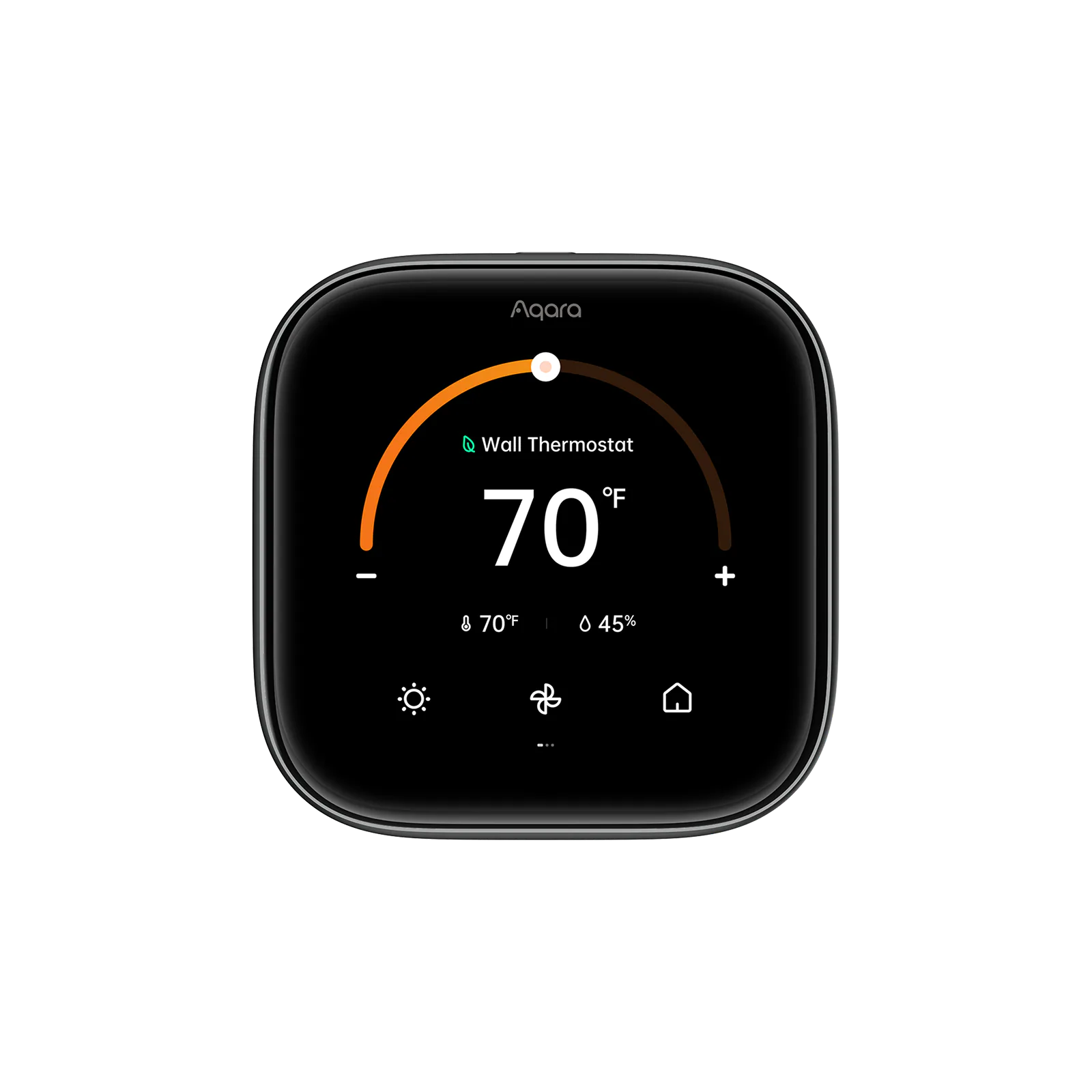
- Four-inch touchscreen doubles as an Aqara home control panel
- Zigbee hub, Matter controller and Thread border router are included
What could be better
- Apple adaptive features need an updated Apple home hub and household devices
- Remote sensors and the optional C-wire adapter cost extra
- Thermostat placement limits the usefulness of its screen and presence detector
- Doorbell snapshots need specific Aqara models; the G4 is excluded
A thermostat with a reason to have a screen
The W200 is interesting because its four-inch touchscreen can do something useful between temperature changes. In an Aqara home, it can put lights, curtains and scenes on the wall, show a compatible doorbell's visitor snapshot and offer a lock control. It is a much more convincing purchase when the thermostat sits somewhere you pass every day.
That also reveals the compromise. Your heating wires decide where the panel goes. A thermostat tucked into an awkward hallway may be a poor place to answer the door or control the living room. Its built-in presence detector watches the area around that same spot; it cannot see whether someone is still in a bedroom elsewhere.
The doorbell feature needs the right hardware, too. Aqara lists G410 and G400 support and explicitly excludes the G4. Expect snapshots, not a universal live-camera monitor. Those extras add little if your cameras and locks belong to another system.
The strongest pitch is to an Apple household
Apple Adaptive Temperature lets the W200 adjust around home, night and away states, with predicted arrivals helping bring the temperature back before you return. You choose the acceptable ranges. That is an attractive alternative to maintaining a detailed weekly schedule, especially when everyone comes and goes at different times.
It is also a more specific reason to buy than ordinary Siri temperature commands. Adaptive Temperature requires an Apple TV or HomePod running version 26 or later, updated iPhones or Apple Watches for all Home members, and the necessary location services. The W200's own hub does not replace that Apple requirement. A household with older devices should not count the feature as included value without checking them.
Clean Energy Guidance can make small temperature adjustments around cleaner electricity. It is limited to the contiguous US, and a lower bill depends on your electricity plan and usage. It is a useful option, not a promised saving that pays for the thermostat.
Better readings from the rooms you use
Remote sensors make the W200 more flexible than a thermostat that can only read its hallway. Current firmware can average several Aqara sensors or assign different readings to scheduled modes: the bedroom at night, for example, and the office during the day. The July 2026 update also adds Follow Presence. These are released features worth considering, rather than reasons to buy on a future promise.
A W100 sensor can provide buttons for adjusting the temperature from another room, but that function uses Zigbee mode through Aqara Home. Sensors are separate purchases. Averaging several rooms also does not create independent heating zones; it changes the reading that guides the existing system.
The built-in Zigbee hub, Matter controller and Thread border router can save another box when you are building an Aqara system. Thermostat control reaches other Matter platforms over Wi-Fi. The display and sensor features still make Aqara Home part of the experience, so the hub is most useful if you actually want that app managing devices.
Good value when the extras have a job
The checked US price on September 10, 2026 was $159.99, with wall trim included. A needed Aqara C-wire adapter adds $29.99, making $189.98 before tax, installation or remote sensors. The W200 is for suitable 24 V central systems, including supported furnaces and heat pumps. It is not an alternative to a valve attached to a single radiator.
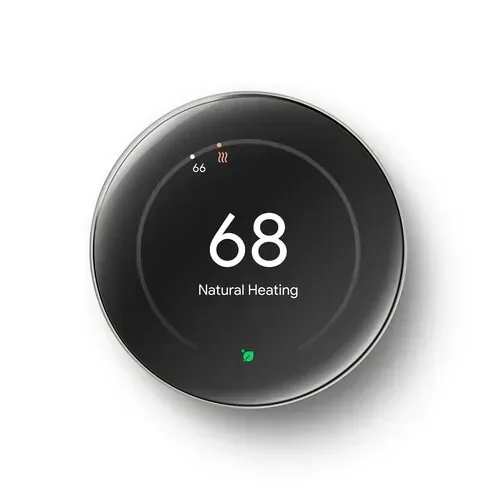
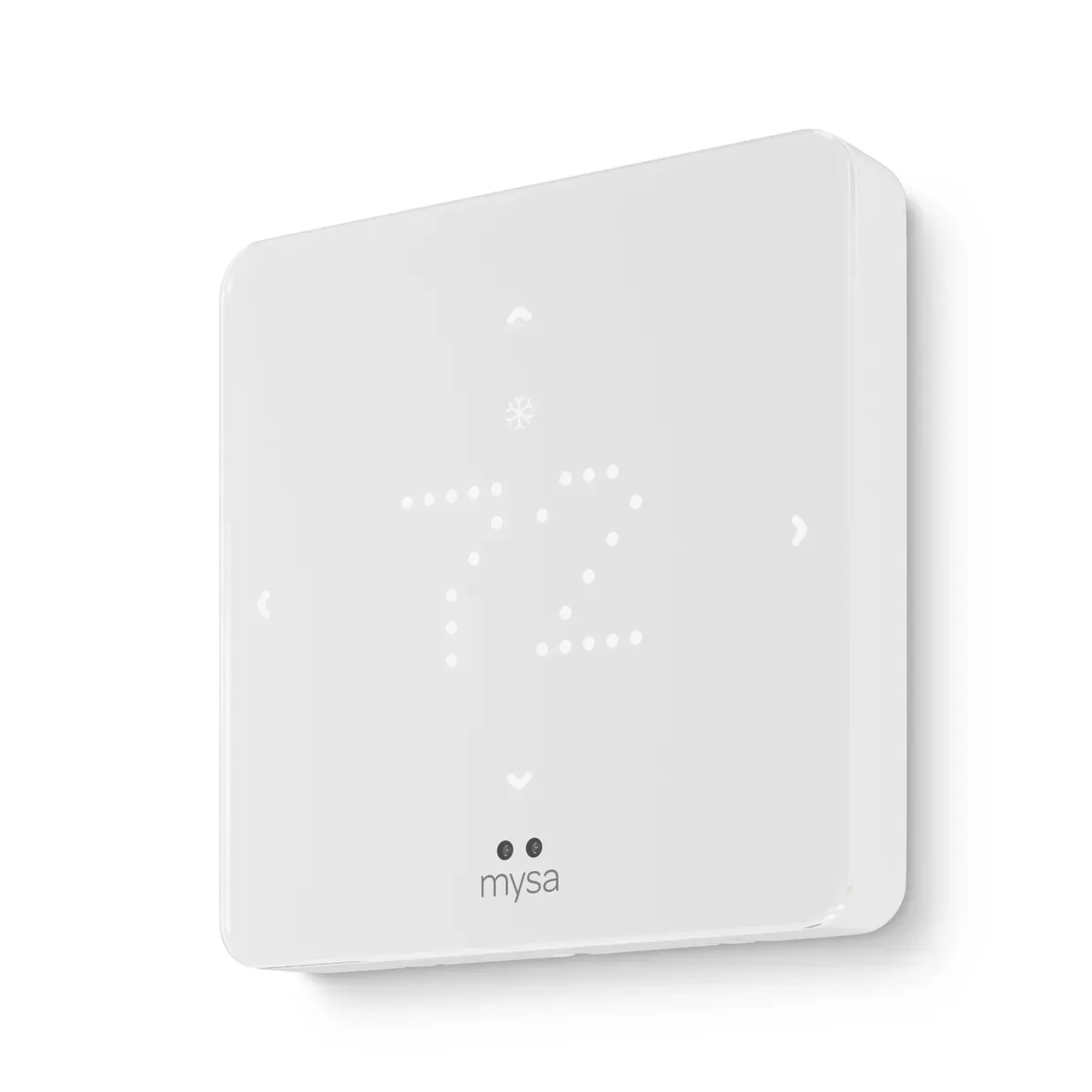
For an Apple or Aqara household using the screen, sensors and hub, that is a persuasive package. The Nest Learning Thermostat costs more but includes a room sensor and offers a physical rotating ring. Mysa's central thermostat is cheaper in the US and suits a buyer who wants simpler wall controls and the Mysa app, although its Apple automation limitations deserve attention.
Keep a working thermostat and hub if these additions would sit unused. W200 earns its place by combining things you need, not by having the longest feature list.
Content feedback
Spot a mistake or missing context?
Send a quick note so it can be checked against the source material.