What we like
- Much cheaper than the Learning model for ordinary temperature control
- App scheduling, away temperatures and energy-saving suggestions
- Matter sharing works over existing Wi-Fi
- Mirrored face offers a tidy alternative to a basic wall control
What could be better
- No Nest Temperature Sensor support or automatic schedule learning
- Side touch strip replaces the Learning model's rotating ring
- Trim kit and some power or wiring work cost extra
- Original minimum security-update period has elapsed; updates currently continue
The useful Nest without the expensive extras
The 2020 Nest Thermostat is the one to consider when the job is ordinary: change the temperature from your phone, keep a weekly schedule and avoid heating or cooling an empty home. Google's US price was $99.99 on sale, normally $129.99, on September 10, 2026. At that sale price, it was $140 less than the fourth-generation Learning model.
That saving is meaningful if you already know when you want the house warm. You create the schedule in Google Home; Savings Finder can suggest adjustments, and away settings can reduce unnecessary running. This Nest does not learn a replacement schedule from your daily temperature changes. For someone who prefers predictable settings, that is an acceptable trade.
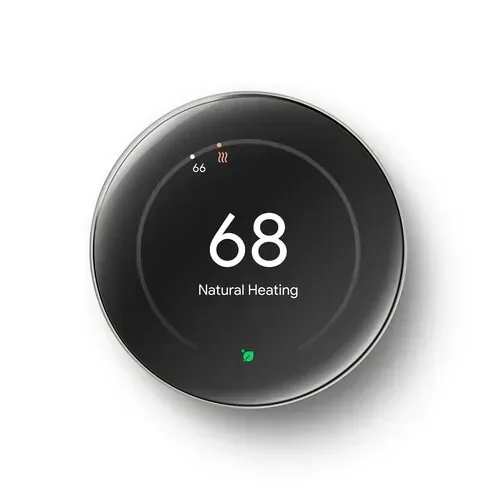
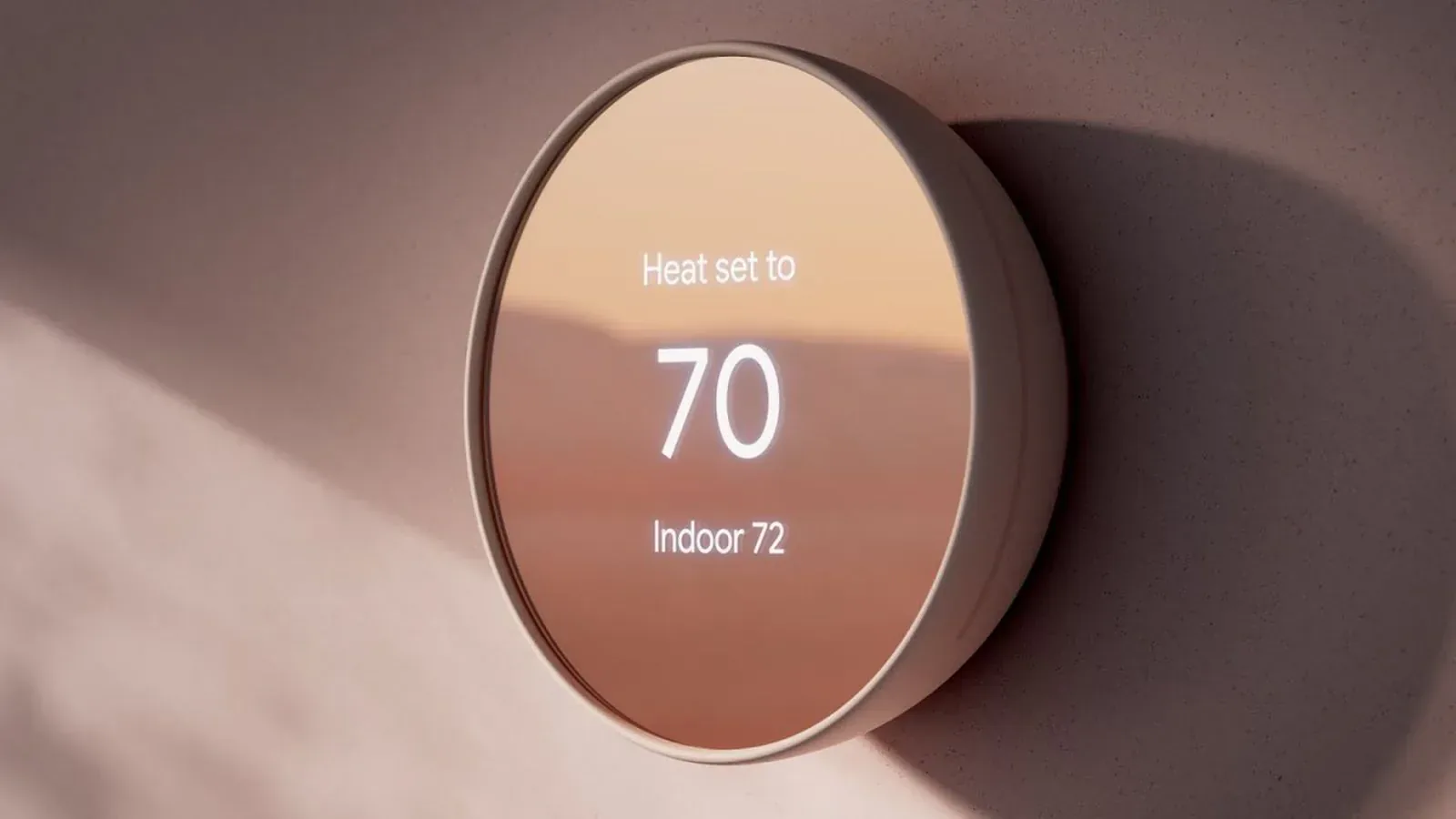
It also looks considered without demanding the premium model's price. The mirrored face hides a rectangular display, and a touch strip on the right handles temperature changes. You swipe and tap the side rather than turn a ring or touch the screen. If other people in the house strongly prefer a conventional dial, the cheaper hardware involves a daily compromise.
The missing sensor matters more than the missing polish
This model cannot use a Nest Temperature Sensor. You cannot buy a sensor later to make it follow the temperature in a cold bedroom or a hot upstairs office. It responds to the temperature where the thermostat itself sits.
That is the strongest reason to pass on it. A lower price is little comfort if the hallway is the wrong place to measure the room you spend time in. The Learning Thermostat includes a remote sensor and can change which readings guide the system throughout the day.
Neither product creates independent room-by-room heating by itself. If your current thermostat already keeps the rooms comfortable and follows a sensible schedule, a new app is a convenience upgrade. Do not assume the purchase will pay for itself in lower bills.
Keep the total cost in view
The basic Nest supports fewer equipment combinations than the Learning model. Its conventional-system support allows one heating and cooling stage plus a second stage of either; it is not the choice for every multistage system or additional ventilation equipment. These are US/Canada thermostats for suitable 24 V systems, so the existing wiring matters more than the name on the old thermostat.
Some heating-only, cooling-only and zone-controlled systems need a C wire or a power accessory. The optional wall trim and electrical-box plate are also separate purchases. If wiring work or cosmetic repairs eat up the saving, price the complete replacement before deciding this is the budget option.
Google Home is required for setup and schedule editing. Released Matter support lets it share thermostat control with other home platforms over Wi-Fi, without adding a Thread border router. It does not turn the cheaper hardware into a Learning Thermostat or add room-sensor support. The thermostat's side controls remain useful for a quick adjustment without your phone.
A discounted buy with an age caveat
The model first went on sale in October 2020. Google's original minimum commitment for critical security updates ran through October 30, 2025. Its current policy still lists updates as continuing, and the firmware history records a March 2026 update. The elapsed minimum is not a shutdown announcement, but a new buyer has less certainty about how long updates will continue.
That makes this easier to recommend at a substantial discount than at full price. Buy it when the wiring is suitable, the thermostat's location gives a useful reading and simple app control is all you need. Spend more on the Learning model for an actual sensor or equipment requirement. If your existing thermostat already does the job, keeping it is the cheapest option of all.
Content feedback
Spot a mistake or missing context?
Send a quick note so it can be checked against the source material.