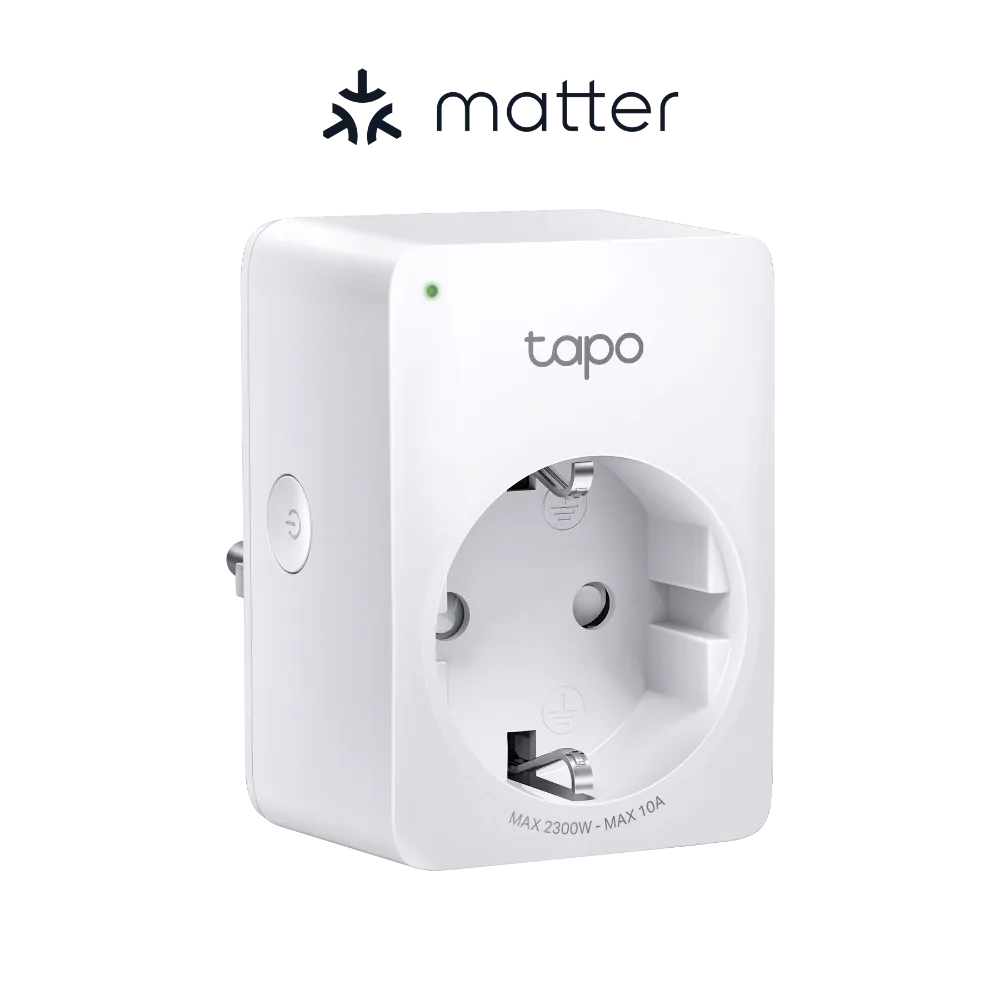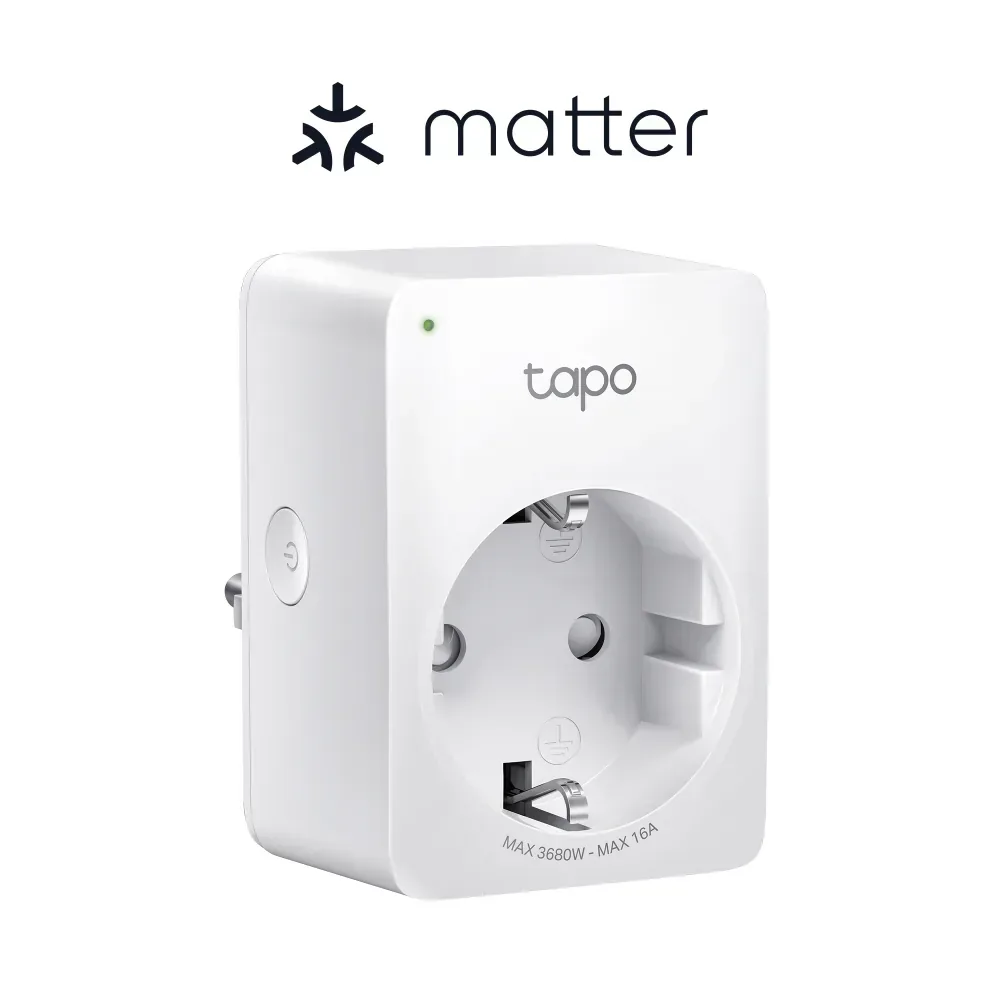
What we like
- Energy measurement for little more than a basic plug
- Power data reaches Home Assistant and SmartThings over Matter
- Same footprint as the switching-only P100M
What could be better
- Energy views still require Tapo in Apple, Google and Alexa homes
- The adapter adds bulk at the outlet
- Dry indoor use only, with a 35°C limit in the EU manual
The meter makes this the better buy
At the listed €12.90 single-plug price, P110M is an easy choice over a similarly priced P100M. Both German Schuko models measure 72 × 51 × 40 mm, so the energy meter does not cost you extra space. The basic model needs a worthwhile discount to make giving it up attractive.
Metering is useful even when you do not intend to automate everything. Put a suitable desk setup through the plug and you can compare active and idle consumption, then decide whether an off schedule is worth the inconvenience. Tapo's graphs and tariff estimates help turn that reading into a buying or usage decision. The meter provides information; it does not save electricity by itself.
Better in some smart homes than others
Updated P110M firmware can send power and energy readings to Home Assistant and SmartThings through Matter. That makes it more appealing if you already collect household energy data in either system: you can keep the readings alongside the rest of the home.
For Apple Home, Google Home and Alexa, the value is less seamless. Those apps provide outlet control, while the energy view stays in Tapo. That is acceptable for an occasional consumption check, but disappointing if your aim was to do everything in one app. Tapo's tariff estimates and historical graphs also do not automatically become identical charts elsewhere.
Buy it for the outlet you want to measure
P110M connects over 2.4 GHz Wi-Fi without a Tapo hub. Its rounded adapter still projects from the socket, so account for nearby furniture and other plugs. Use the German version covered here indoors and dry, within the EU manual's 35°C ceiling. The 16 A/3680 W rating is for general or resistive loads at 230 V; motors have a separate, lower rating.
This is a sensible new purchase for a suitable appliance you want to monitor. It is a weaker upgrade for a lamp already controlled by a working P100M. Keep that plug and spend on metering where the extra information will actually be useful.
Content feedback
Spot a mistake or missing context?
Send a quick note so it can be checked against the source material.