What we like
- Useful way to keep an ordinary lamp in a smart home
- No Tapo hub to buy
- Auto-Off timer for things you tend to leave on
What could be better
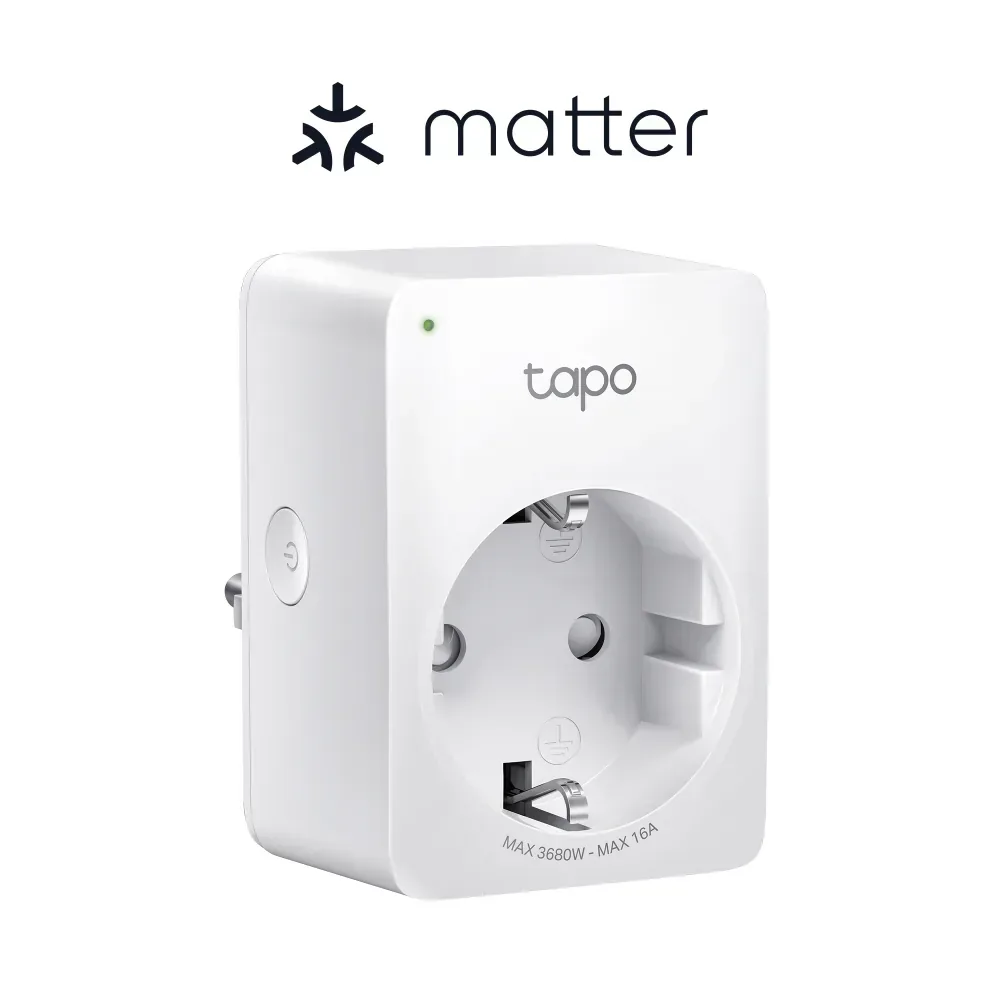
- P110M adds metering without taking up more space
- No energy readings or power-based automations
- Poor choice for chasing tiny standby-power savings
The basic model needs a better price
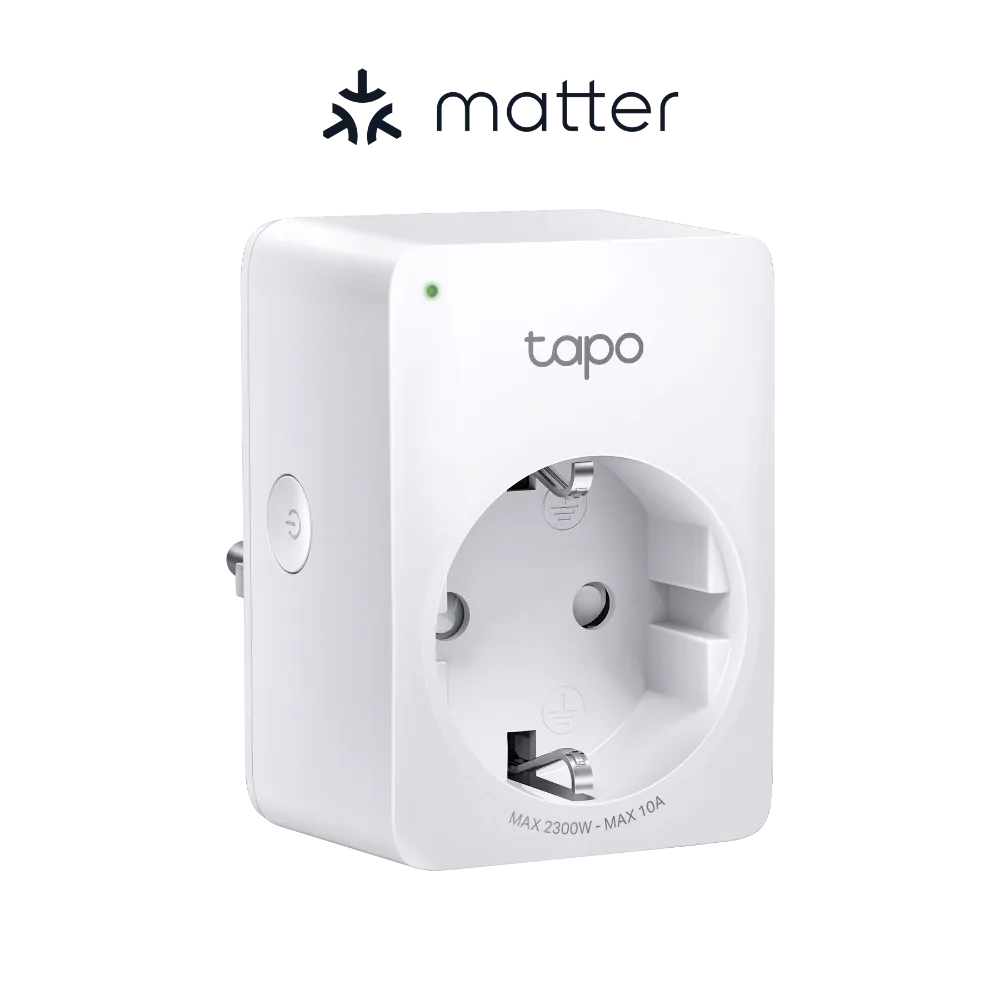
P100M has a perfectly useful job: turn an ordinary lamp on from the sofa, put decorations on a schedule, or cut power after a set time. It uses your 2.4 GHz Wi-Fi and needs no Tapo hub. For a plug already doing that job, replacing it would buy very little.
The problem is choosing it today. The German Schuko version occupies exactly the same stated 72 × 51 × 40 mm as P110M Europe, which also measures consumption. With that model listed at €12.90, P100M needs a meaningful saving to justify giving up the meter. We could not confirm a current P100M offer in Tapo's German store, so there is no verified bargain to tip the balance back.
Convenient control, limited insight
A lamp does not need an energy graph to follow an evening schedule. P100M's on/off control and Tapo Auto-Off timer cover that simple use well on paper. Its limitations become more noticeable when the connected device is something you want to understand: the plug cannot tell you its wattage, compare a week's consumption or trigger a rule from its power draw.
It is also an unconvincing purchase purely to eliminate a tiny standby load. The plug itself stays powered; TP-Link specifies roughly 1.5 W even with its relay off. Removing a smaller load would defeat the intended saving. Buy the convenience, rather than assuming any smart plug will pay for itself.
Keep the one you own
For a dry indoor lamp in a Schuko outlet, an existing P100M still earns its place. We would choose P110M for the next purchase unless the basic model is clearly cheaper. There is no smaller housing or extra feature here to compensate for a similar price.
This recommendation covers the German socket version. It is a 10 A plug with a 2300 W resistive limit at 230 V; conflicting motor ratings make it a poor pick for a pump or compressor without manufacturer confirmation.
Content feedback
Spot a mistake or missing context?
Send a quick note so it can be checked against the source material.