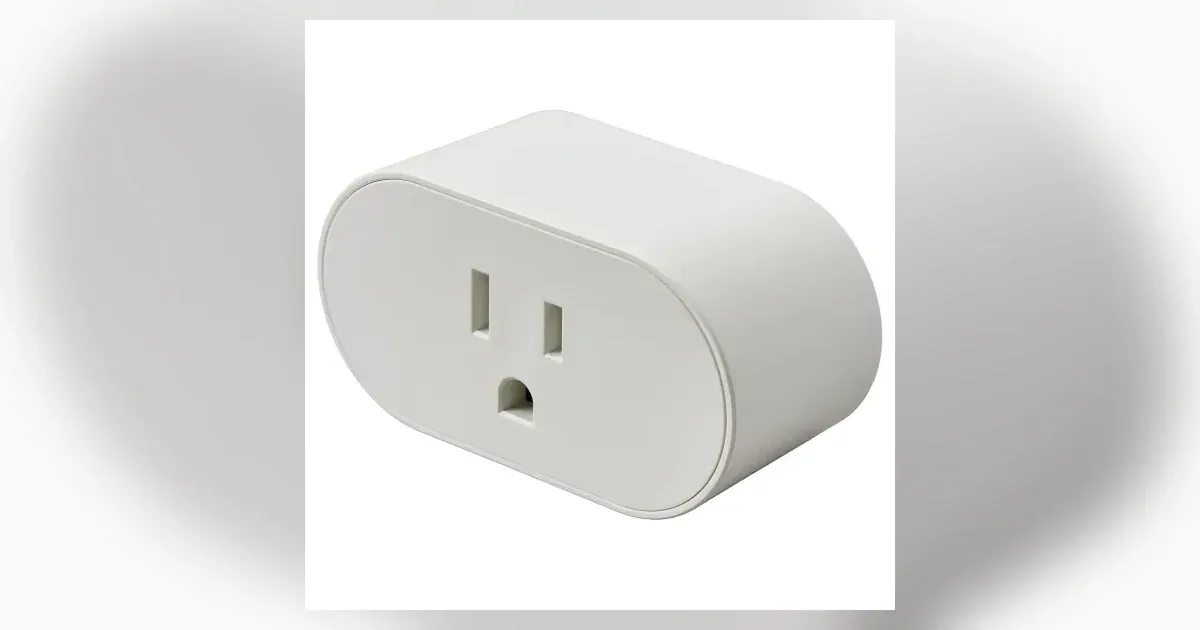
Apple Home is starting to show energy readings from Matter plugs, but not yet in the way automation-heavy buyers want. On June 16, 2026, The Verge reported that the iOS 27 and tvOS 27 developer betas include Matter energy monitoring in the Home app. In the test, a Matter-over-Thread IKEA GRILLPLATS plug showed current, average, and daily usage in kilowatt-hours.
The useful part is visibility. The Verge found views for a year, six months, a month, a week, and a day. That could make a metering plug more helpful for checking a lamp, older appliance, desk setup, or small load without opening the manufacturer's app.
The missing part is control. The same report says Apple Home did not offer a way to use the energy readings as automation triggers. That means no Apple Home routine that turns something off after a usage spike, flags an odd freezer draw, or shifts a load based on price.
Test one plug first
The report names one Matter-over-Thread IKEA plug in beta testing, not every metering plug that says Matter. Energy reporting depends on the plug, firmware, exposed Matter data, and what Apple chooses to show. A Wi-Fi Matter plug, a Thread plug, and a brand app may all present different levels of detail.
If you already own a metering plug, test that one when the iOS 27 public beta or final release is appropriate for your home. Check live power, daily energy, history, and the time range you actually care about. Then compare Apple's view with the manufacturer's app for cost estimates, overload settings, exports, firmware, and other details.
Thread plugs still need Thread infrastructure. A Matter-over-Thread plug requires a Matter controller and Thread border router, usually a compatible Apple TV or HomePod in an Apple Home household.
The next step is automations
This fits Apple's broader energy direction. In 2025, The Verge reported on Apple's EnergyKit framework for iOS 26 and iPadOS 26, aimed at letting developers use Apple Home energy context in their own apps for devices such as EV chargers and thermostats. The Home app energy view is different because it puts Matter device readings directly in front of the owner.
For now, buy a compatible metering plug for switching and visibility, not because Apple Home can already build serious energy automations around it. The first thing to check after release is whether the graph is just a graph, or whether Apple lets that data trigger something useful.
Content feedback
Spot a mistake or missing context?
Send a quick note so it can be checked against the source material.