What we like
- Adds app or routine control to an ordinary suitable lamp
- Physical side button switches power without opening an app
- Matter over Wi-Fi avoids a separate brand hub or Thread purchase
- Discounted packs improve value for several simple switching jobs
What could be better
- No energy meter, despite cheaper metering alternatives
- Single-unit delivery weakens the low-price appeal
- On/off only: no dimming or appliance-specific controls
- No documented product-specific update or power-recovery settings in the checked material
A useful simple switch, at a less useful single-plug price
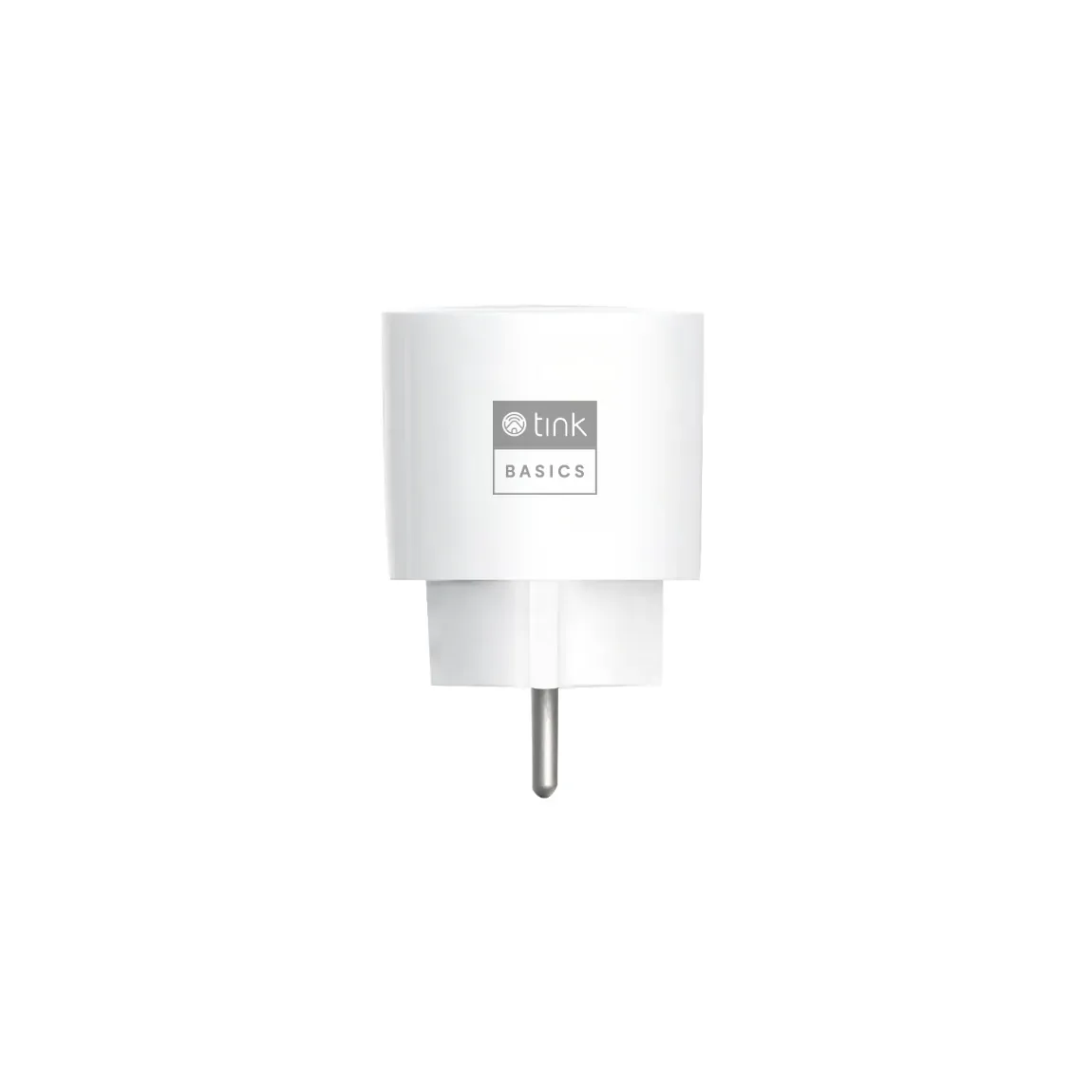
The tink Basics Smart Plug is most appealing behind a lamp you already like. It gives that lamp an app tile, a voice command or a place in an evening routine without replacing the light fitting. A side button also lets someone switch it locally without reaching for a phone.
That is enough functionality for some outlets. It is less convincing as a new single-unit purchase: the current €16.99 German price buys switching without a meter, while Tapo P110M offers both for less. tink's strongest case is a discounted pack or an inexpensive addition to an existing order.
The missing meter matters more than the Matter logo
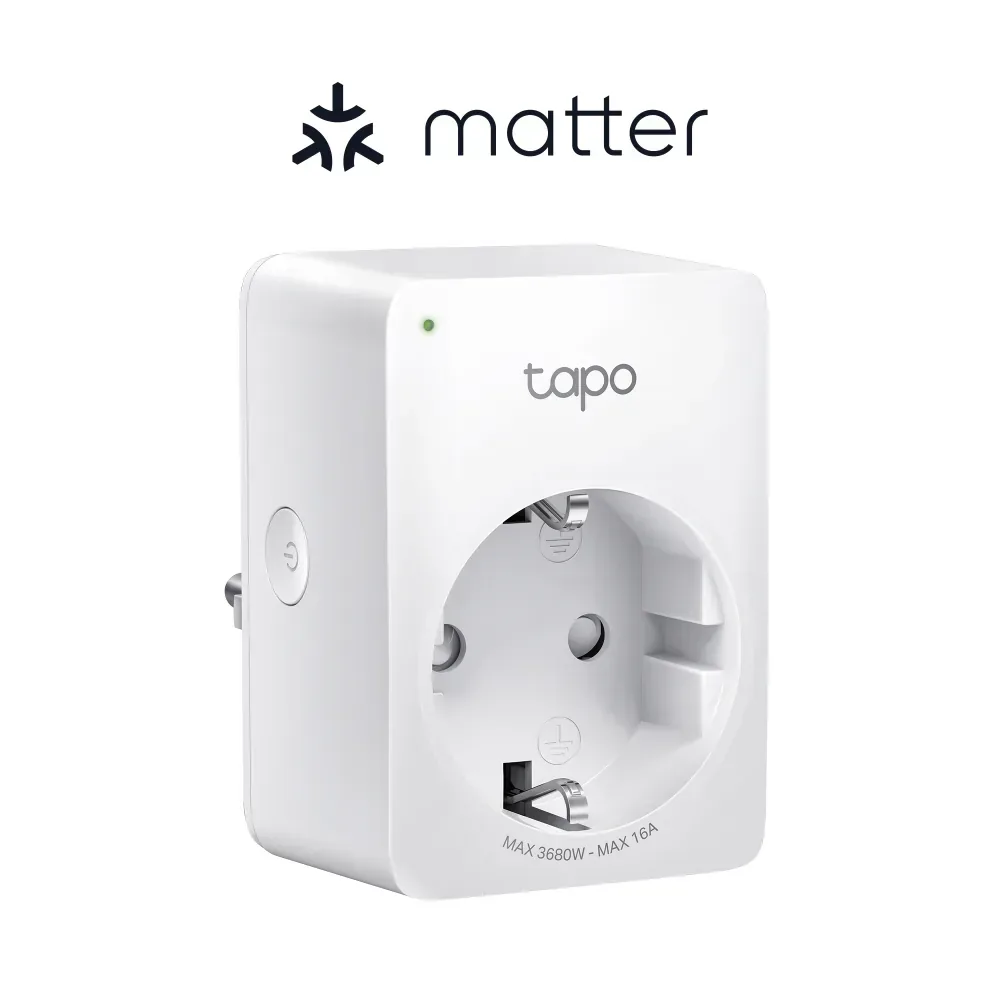
tink's own plug comparison lists no consumption monitoring for this model. You cannot use it to see the cost of a desk setup, compare idle power or trigger a routine from a fall in wattage. A switching schedule may reduce unnecessary running time, but the plug cannot show whether the saving repays its purchase.
Tapo P110M Europe is the more useful starting point if those readings might matter later. Its manufacturer listed one plug at €12.90 on September 10, 2026; €3.90 standard German shipping makes €16.80 delivered. That is below tink's single-plug item price, with an energy meter included.
Tapo's detailed consumption graphs are in its own app, and the exact energy view still depends on the platform and firmware. The extra hardware does not create identical charts everywhere. Even with that qualification, giving up the meter makes sense only for a worthwhile discount or an outlet where you know it would be unused.
It switches the electricity, not every appliance function
An ordinary lamp with a mechanical switch left on is a good match. An electronic appliance that stays off after power returns is less useful: restoring its supply may not start the action you wanted. The plug adds neither dimming nor a substitute for the appliance's own start button.
tink lists a 16 A/3680 W maximum connection rating. That ceiling is not evidence that every motor, compressor or heater is a suitable load. Choose it for an appliance that permits external switching and fits the relevant rating, rather than treating the shop's coffee-machine example as universal approval.
The listed size is 63 × 63 × 90 mm. The rounded body is plain enough, but it remains an extra adapter behind furniture. tink says it leaves neighboring sockets free; that is not a guarantee for every power strip or bulky adjacent charger. Side-button access is also less convenient if the outlet is buried behind a cabinet.
Two control routes, without another branded hub
Matter operation uses 2.4 GHz Wi-Fi and a compatible controller. There is no separate tink hub or Thread border router to buy. tink also advertises basic Smart Life control over Wi-Fi for someone without a Matter system, so buying a new controller just for this plug is not the only route.
The checked material does not explain product-specific firmware delivery, stored schedules or adjustable behavior after a power cut. Do not buy it specifically for those settings. We have not tested reconnection or recovery behavior, and a normal household routine should not be described as a timer proven to run independently on the plug.
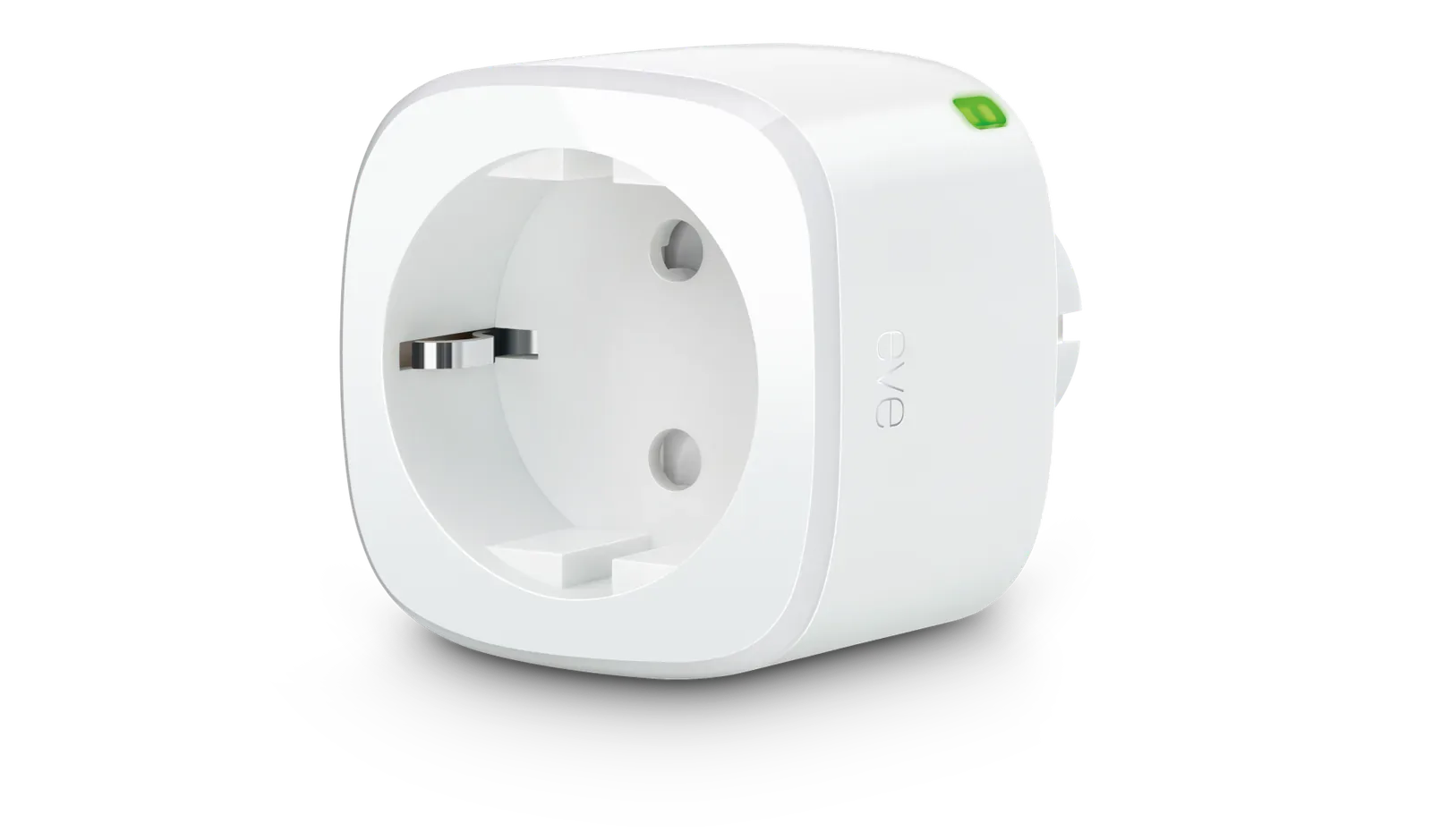
Eve Energy Europe is a more deliberate upgrade for stored device schedules and extending an existing Thread network. That extra spending needs a purpose; it is unnecessary just to make a lamp respond to an ordinary on/off command.
The multipack is where the value improves
The September 10 German single offer was €16.99 including VAT, against €19.99 recommended. Add €4.95 standard delivery for a €21.94 basket. tink waives shipping at €99 or with its free tink Plus newsletter membership, an optional sign-up.
The three-pack was €32.99, or €37.94 with standard delivery: roughly €11 per plug before postage. That is more persuasive for three known switching jobs. It is not a reason to invent outlets to automate.
Keep a tink plug that already switches reliably. For a fresh single purchase, start with P110M. Choose tink when a real bundle saving outweighs a meter you do not need, and the connected appliance behaves sensibly when its power is switched.
Content feedback
Spot a mistake or missing context?
Send a quick note so it can be checked against the source material.