What we like
- Smoke and CO detection in one battery-powered unit
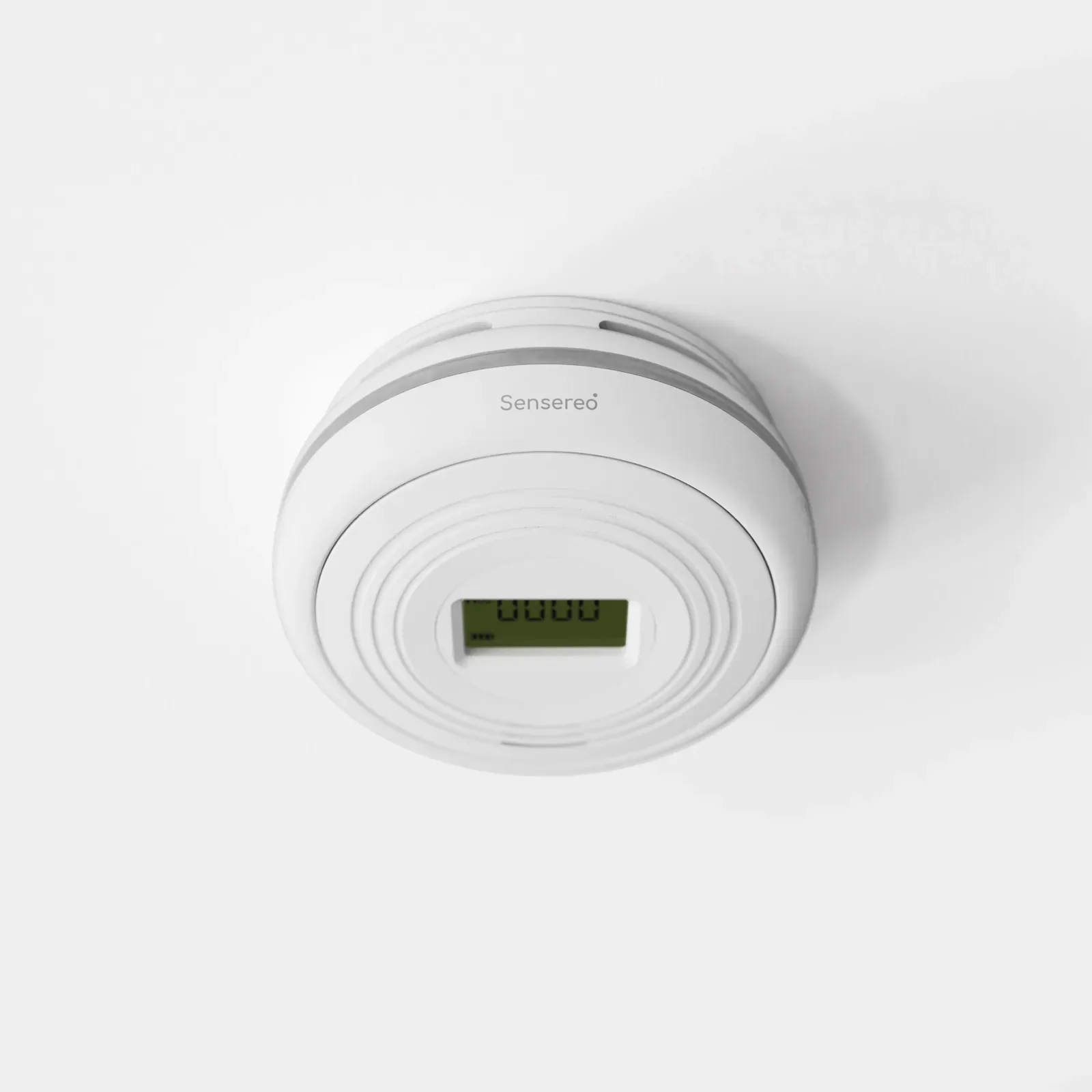
- CO reading on the alarm itself, without opening an app
- No Sensereo bridge or subscription needed for Matter reporting
What could be better
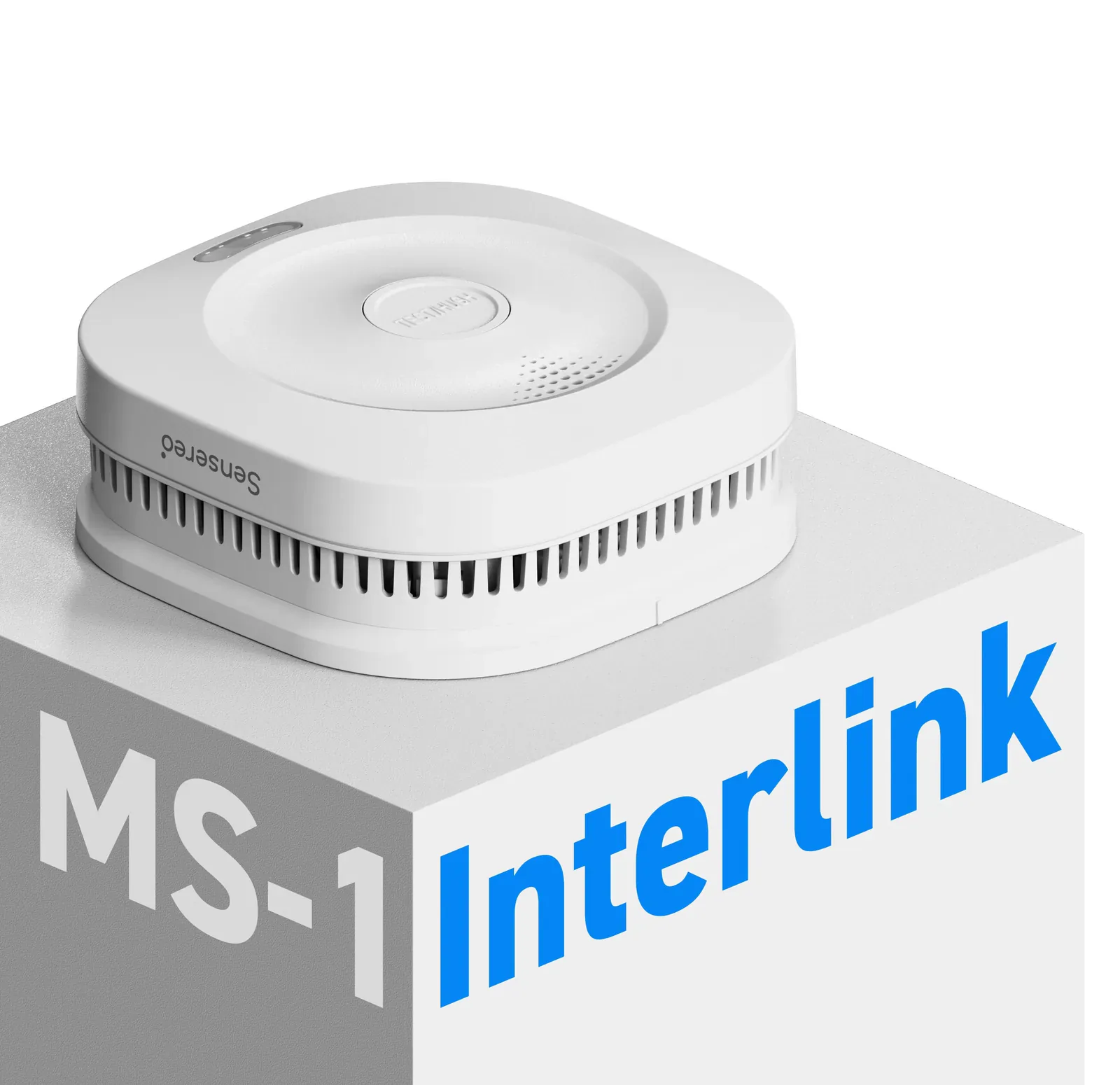
- No interlink with other MSC-1 or MS-1 Interlink alarms
- Single replaceable CR123A powers both detection and connectivity
- Bulky display alarm with no remote silencing
Two detectors and a screen earn their place
Sensereo MSC-1 has a stronger reason to exist than simply putting Matter into another smoke alarm. It combines photoelectric smoke sensing, electrochemical carbon monoxide sensing and a small CO display in one battery-powered unit. In a location suitable for both kinds of detection, that can replace the clutter of two separate devices.
The manufacturer's direct store had the European SKU SN-MSC1-V1-EU available at $69.99 on September 10, 2026, before destination-specific charges. I would shortlist it for a home that already uses Thread and needs both functions in the same spot. I would not buy it as the default alarm for every room: there is no interlinking between units.
The display is useful even without Matter
The LCD gives the MSC-1 an everyday advantage over a screen-free CO alarm: you can read the concentration on the device itself. The local display and audible warning work without the smart-home connection. That is a more concrete benefit than another app logo on a box.
The round white case is substantial. The manual's specification gives roughly 115 mm across and 42 mm deep, so it will be visible on a wall or ceiling. A small screen mounted high up is also less convenient to read than one at a comfortable viewing height. The right detection position must come before the easiest position for checking the number.
A physical button handles testing and hush. Remote silencing is not supported. If you imagined quieting every unwanted alarm from the sofa, this will feel less smart than expected. Its Matter connection is more useful for seeing status and receiving configured notifications than for treating the alarm like a remotely controlled speaker.
One battery means one maintenance job
Unlike Sensereo's MS-1 family, MSC-1 does not have a separate sealed battery for sensing. One replaceable CR123A powers both detection and communication. That avoids maintaining two different power supplies, but a fresh-looking app tile is no reason to ignore the alarm's low-battery warning.
Sensereo's detailed product page estimates about three years between battery changes; its store homepage says two. I would budget for a replacement within that two-to-three-year range rather than treat three years as a promise. Neither number is endurance measured by Matterhome.
The ten-year figure describes the unit's service life, not one battery's runtime. The current manual also calls for weekly physical tests and monthly cleaning. This is a maintainable alarm with connected features, not a device whose app eliminates routine attention.
More sensing does not include linked sirens
An MSC-1 detecting smoke or CO does not automatically make another MSC-1 sound. It also cannot join a group of MS-1 Interlink alarms. Sensereo makes you choose between the combined sensing and display here, or the smoke-only Interlink model's coordinated warnings at $59.99.
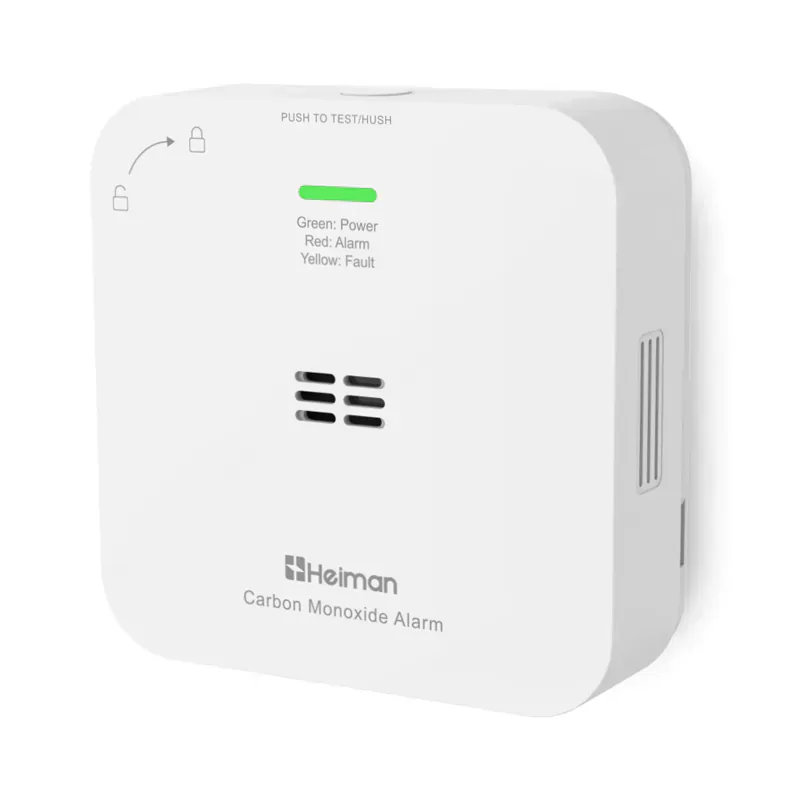
If linked warning is already provided by an existing smoke-alarm system, keeping that system and adding a separate CO alarm may be the better purchase. Heiman HS-720ES-M offers that narrower connected CO function at €39.90 including German VAT, before delivery, although it lacks a display. Separate smoke and CO units also give more freedom to place each where it belongs.
Sensereo currently specifies European EN 14604 and EN 50291 certification for MSC-1; its US model is still in development. Choose this version for the appropriate European installation, not because the store quotes dollars. The best fit is one useful combined alarm feeding an existing Matter controller and Thread border router. Keep suitable working alarms within their service life when combining them would sacrifice placement or interlinking merely to gain a screen and another connected device.
Content feedback
Spot a mistake or missing context?
Send a quick note so it can be checked against the source material.