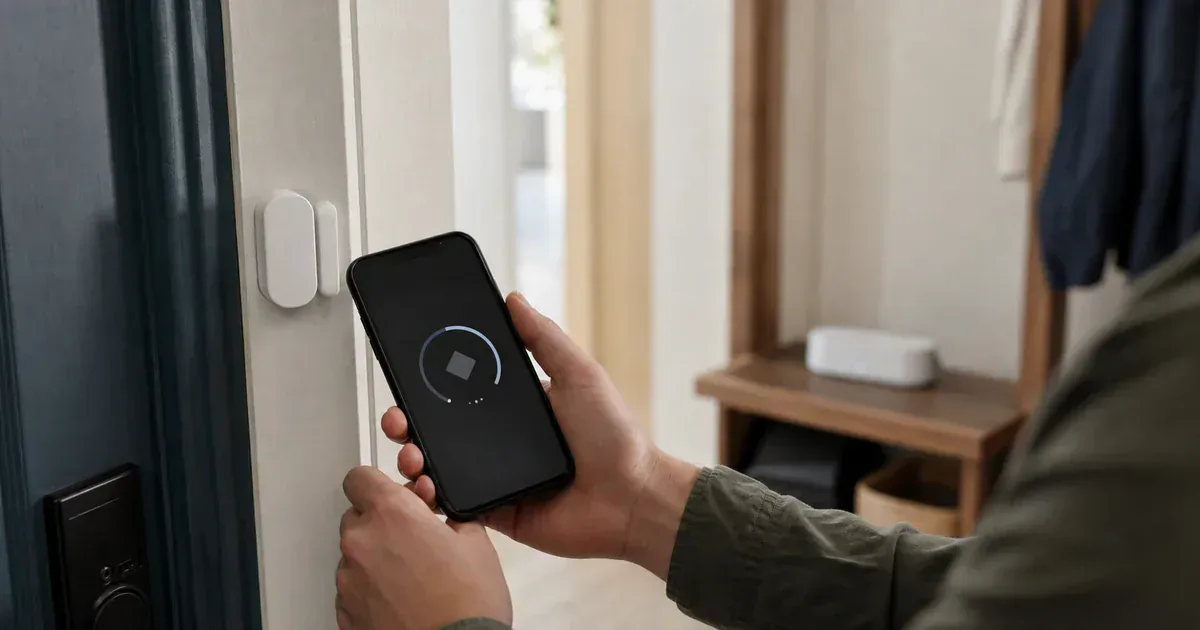
Thread Direct could make the first few minutes with a Matter-over-Thread device less hostile. On June 17, 2026, The Verge reported that the feature is being developed for a future Thread specification, likely Thread 2.0, so a phone or other mobile device with a Thread radio can talk directly to a Thread accessory during initial setup.
Initial is the important word. Thread Direct is not a plan to make your phone the always-on network a Thread home needs. It is a way to start the conversation with a lock, sensor, button, or plug before the home has done all of the Thread-border-router work.
That matters because Matter packaging still trips people up. A buyer sees the Matter logo, buys a small device, and later learns that Matter over Thread is not Matter over Wi-Fi. The accessory needs a Thread mesh, and the mesh needs an always-on border router such as a compatible Apple TV, HomePod, Nest Hub, Google TV Streamer, Echo, Eero, SmartThings hub, or another supported device.
Setup could feel more like Bluetooth
The first setup step is where Thread can feel backward. A battery accessory starts from a phone app, but the phone may not be able to talk to it directly. If the home lacks a compatible border router, setup can fail before the buyer understands what is missing. If the home has several Thread networks, the accessory can land somewhere unhelpful.
Thread Direct could make discovery more familiar: hold the phone near the accessory, start commissioning, then let the home infrastructure take over. The Verge says the idea could apply beyond phones, including tablets or wearables with the needed radio.
That would be useful. It would also be easy to oversell. A phone is not plugged in, awake, and sitting at home all day. Remote access, automations, and normal Matter controller behavior still need real home infrastructure.
Do not buy around it yet
Thread radios are not universal in phones, and support differs by model, region, operating system, and ecosystem. Device makers may also need specific hardware or firmware for this path to help. Until Apple, Google, Samsung, Amazon, and accessory makers explain exactly how Thread Direct works in their setup flows, treat it as future relief for onboarding, not a replacement for a border router.
If you are building a Matter-over-Thread setup now, buy the border router first. Choose the one that belongs to the ecosystem you actually use, then add Thread accessories where the mesh can reach them.
The best version of Thread Direct is not "no hub required." It is a setup screen that tells a buyer what is missing before the sensor is mounted, the lock is installed, or the return window starts to feel short.
Content feedback
Spot a mistake or missing context?
Send a quick note so it can be checked against the source material.